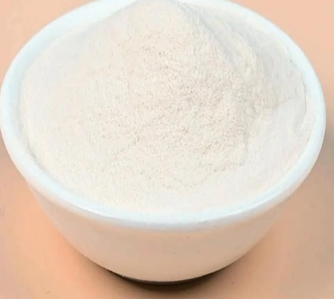



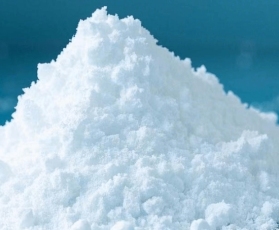

The standout features of this xanthan gum include its ultra-high purity of 99.5%, ensuring consistent thickening performance across all production runs. It is certified by major global food safety bodies including FDA, EU regulations, and KOSHER, making it accessible to food manufacturers worldwide. Its unique molecular structure allows it to thicken both acidic and alkaline food systems, a versatility that most other thickeners lack. It also works synergistically with other food additives such as guar gum and locust bean gum, enhancing their performance and expanding formulation options. For gluten-free product manufacturers, this xanthan gum helps replicate the elastic texture of wheat gluten, improving the structure and shelf life of gluten-free baked goods.
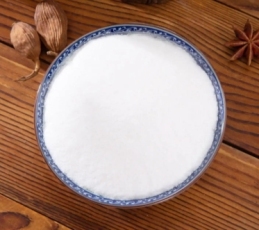
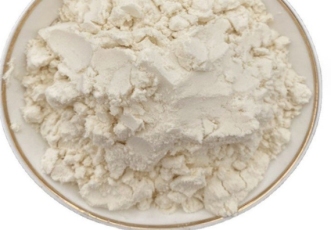
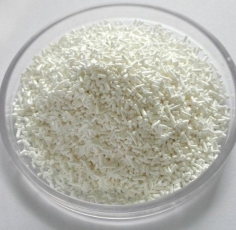
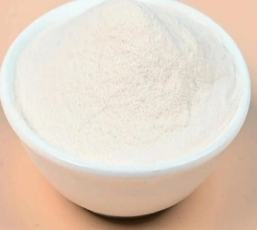
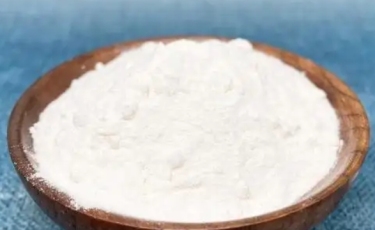
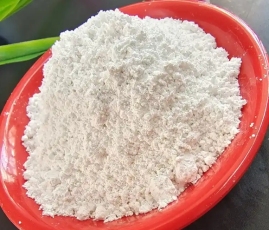
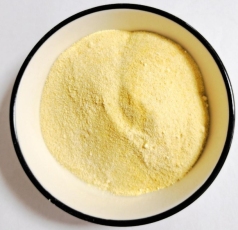
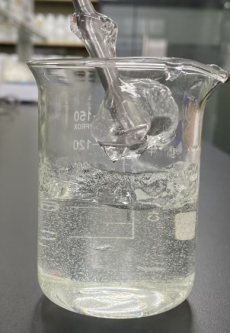
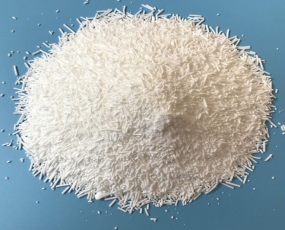
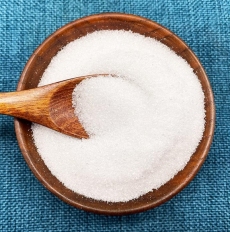
This xanthan gum has a molecular formula of (C8H7O8Na)n, with a minimum viscosity of 1200 mPa·s when tested in a 1% aqueous solution at 25℃. It appears as an off-white to light yellow fine powder with a neutral odor. It dissolves completely in both cold and hot water, forming a smooth, viscous solution without any lumps. The standard packaging is 25kg food-grade polypropylene bags with waterproof outer layers to protect against moisture and physical damage. The recommended storage conditions are a cool, dry area with temperatures between 10-30℃, away from direct sunlight. Each batch includes a detailed COA with results for viscosity, purity, heavy metals, and microbial counts.
This xanthan gum is widely used across multiple food and beverage categories, including gluten-free baked goods such as bread, cookies, and pizza crusts, where it improves texture and extends shelf life. It is also a key ingredient in sauces, salad dressings, and marinades, preventing separation and improving mouthfeel. In dairy products, it is used in ice cream, yogurt, and whipped toppings to prevent ice crystal formation and enhance creaminess. Additionally, it is commonly used in beverages, including sports drinks and plant-based milks, to improve stability and prevent sedimentation. Food manufacturers can use this xanthan gum to meet the growing demand for clean-label, plant-based, and gluten-free food products.








 Post RFQ


 Chat
Chat


 ALL CATEGORIES