



This erythritol sweetener raw material has several unique advantages over other sweeteners. It contains zero calories and has a glycemic index of 0, so it will not cause blood sugar spikes, making it suitable for people with diabetes and weight management programs. It has no bitter or metallic aftertaste, unlike other sugar alcohols such as xylitol and maltitol, and rarely causes gastrointestinal discomfort even in large doses. It is non-cariogenic, meaning it will not cause dental caries, making it ideal for oral care products and sugar-free candies. It complies with FDA GRAS and EU EFSA certifications, making it suitable for global market sales, and meets the clean-label requirements of modern consumers.
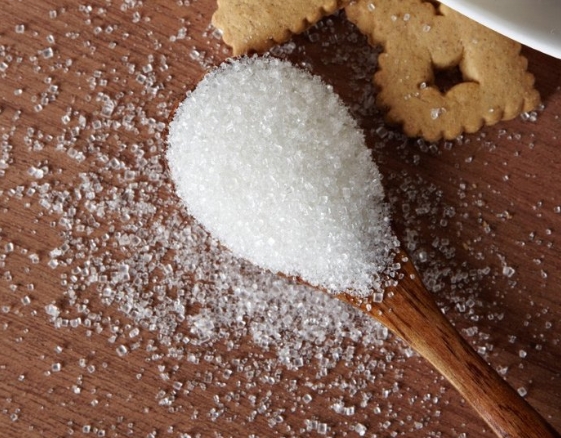
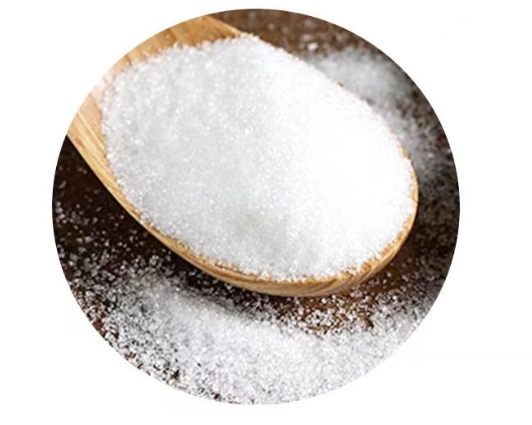
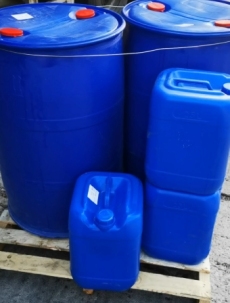
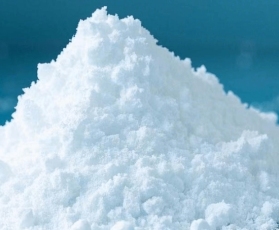
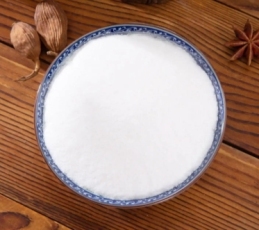
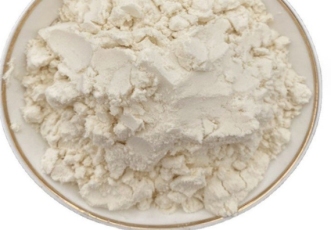
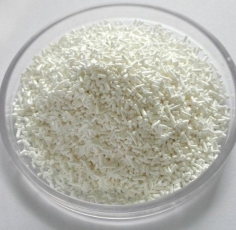
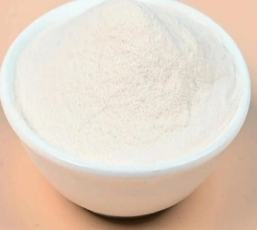
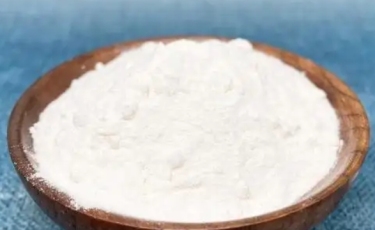
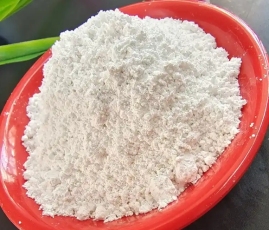
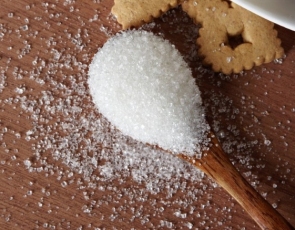
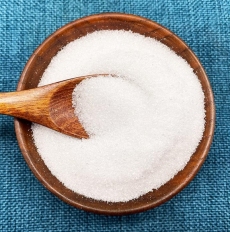
The erythritol raw material appears as a white crystalline powder, with a purity of not less than 99.5% and a sweetness level of 70% that of sucrose. The moisture content is ≤0.5%, ash content ≤0.1%, and heavy metal content ≤1ppm. The total number of colonies is ≤100 CFU/g, and Escherichia coli is negative. The particle size ranges from 60 to 80 mesh, and the pH value of a 10% aqueous solution is between 5.0 and 7.0. It is completely soluble in water, with a solubility of 37g/100ml at 25°C. Packaging options include 1kg, 25kg, and 50kg food-grade plastic bags or drums, which can be customized according to customer needs. All production processes follow strict food safety management systems to ensure product consistency and quality.
This erythritol sweetener raw material is widely used in a variety of food and beverage products, including sugar-free beverages, sugar-free candies, baked goods, diabetes-specific foods, oral care products such as toothpaste and chewing gum, and low-calorie snacks. It can replace sucrose and high-fructose corn syrup to reduce the calorie and sugar content of products, meeting the growing demand for healthy and low-sugar food products. It is especially suitable for health-conscious food manufacturers, brands targeting diabetic consumers, and companies producing clean-label food products. It can also be used in combination with other sweeteners to improve the sweetness profile and reduce the overall calorie content of products.








 Post RFQ


 Chat
Chat


 ALL CATEGORIES