


This ascorbyl palmitate antioxidant raw material has several unique advantages over traditional antioxidants. It is oil-soluble, making it ideal for protecting fats and oil-containing foods from oxidation and rancidity. It has excellent heat stability, maintaining its antioxidant activity even at temperatures up to 180°C, making it suitable for high-temperature processing such as frying and baking. It is a free radical scavenger, effectively inhibiting the formation of lipid peroxides and extending the shelf life of oil-containing foods. It has no obvious off-flavors, so it will not alter the taste of finished foods, and complies with FDA GRAS, EU EFSA, and USP certifications, making it safe for use in food products. It solves the common pain points of traditional antioxidants such as poor solubility in fats, low heat stability, and potential health risks, providing a natural and healthy solution for protecting oil-containing foods.
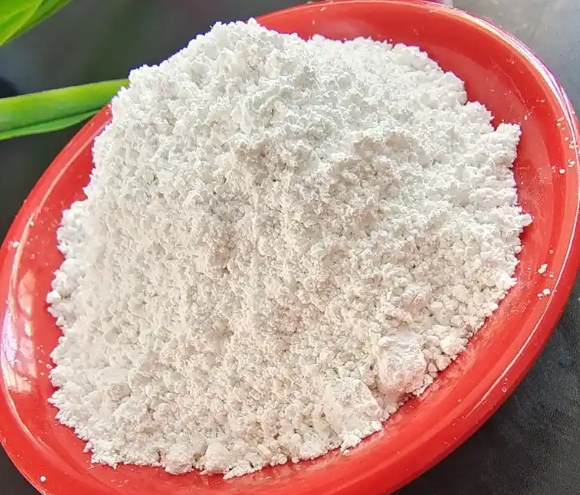
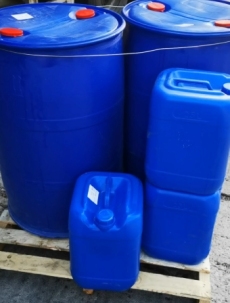
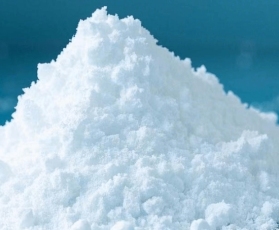
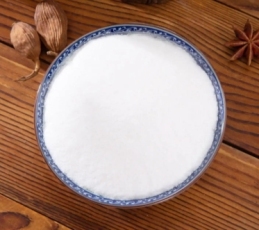
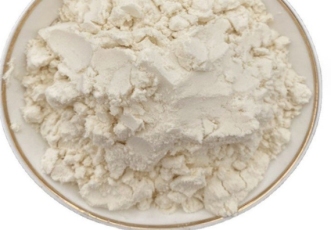
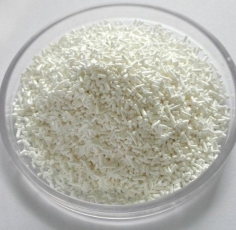
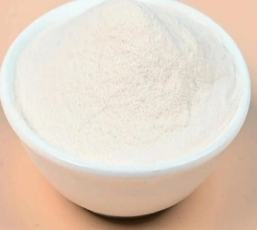
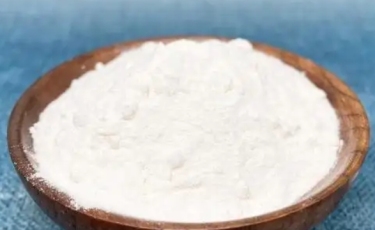
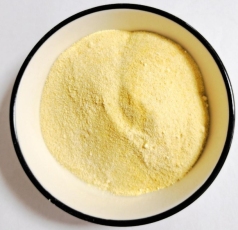
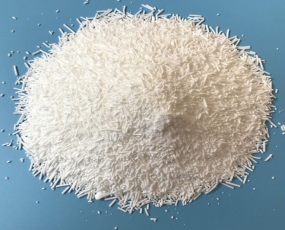
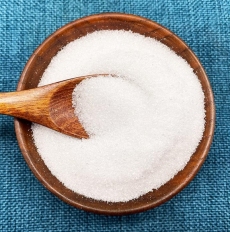
The ascorbyl palmitate raw material appears as a white to light yellow crystalline powder, with a purity of not less than 98% and an antioxidant activity of ≥95% (calculated as ascorbic acid). The moisture content is ≤0.5%, ash content ≤0.1%, and heavy metal content ≤10ppm. The total number of colonies is ≤1000 CFU/g, and Escherichia coli is negative. The melting point ranges from 107 to 117°C, and the pH value of a 1% ethanol solution is between 5.0 and 7.0. It is completely soluble in fats and oils, with a solubility of ≥10g/100ml in corn oil at 25°C. Packaging options include 1kg, 25kg, and 50kg food-grade aluminum foil drums, which can be customized according to customer needs. All production processes follow strict food safety management systems to ensure product consistency and quality.
This ascorbyl palmitate antioxidant raw material is widely used in a variety of oil-containing food products, including edible oils, fried foods such as french fries and fried chicken, baked goods, nuts, meat products with high fat content, and snack foods. It can effectively prevent the oxidation and rancidity of these products, extending their shelf life and preserving their original flavor and nutritional value. It is especially suitable for food manufacturers producing fried foods, baked goods, and edible oils, as well as brands prioritizing clean-label and natural food additives. It can also be used in cosmetic and personal care products as an antioxidant and skin protectant, expanding its application scenarios beyond the food industry.








 Post RFQ


 Chat
Chat


 ALL CATEGORIES