


Eliminating the safety concerns associated with synthetic preservatives. Its broad antibacterial spectrum targets harmful pathogens without disrupting beneficial food microflora, ensuring food safety while maintaining product quality. So it will not alter the taste of finished foods. Additionally, it complies with multiple international food safety certifications including FDA GRAS and ISO22000, making it suitable for global market sales. It solves the common pain points of traditional preservatives, such as potential health risks, limited antibacterial range, and negative impact on food flavor, providing a reliable solution for extending food shelf life while meeting clean-label requirements.
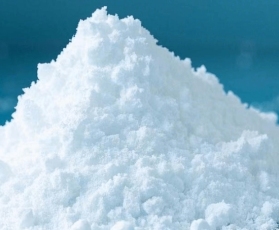
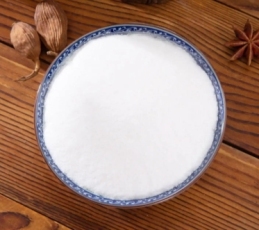
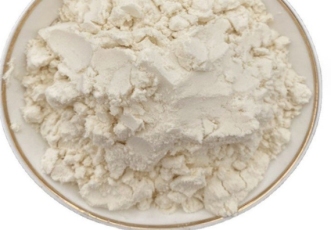
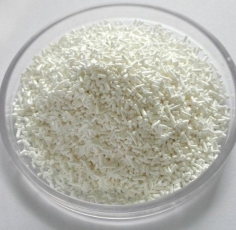
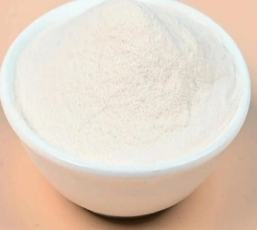
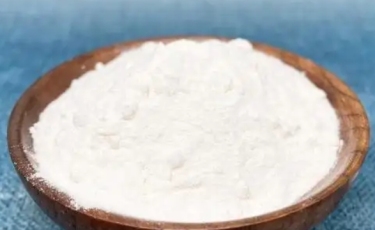
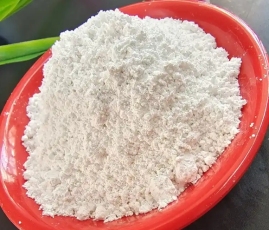
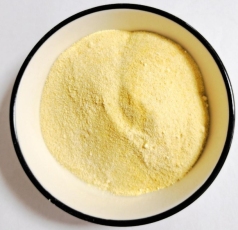
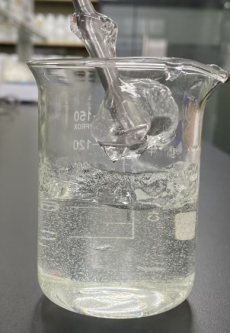
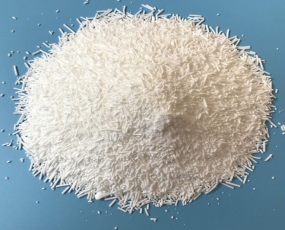
The nisin raw material appears as a white to light yellow fine powder, with a purity of not less than 98% and an active content of ≥1000 IU/mg. The moisture content is ≤5.0%, ash content ≤2.0%, and heavy metal content ≤10ppm. The total number of colonies is ≤1000 CFU/g, and Escherichia coli is negative. The particle size ranges from 100 to 200 mesh, and the pH value of a 1% aqueous solution is between 6.0 and 7.0. It is completely soluble in water and insoluble in organic solvents. Packaging options include 1kg, 5kg, and 25kg food-grade aluminum foil drums, which can be adjusted according to customer requirements. All production processes follow strict food safety management systems to ensure product consistency and stability.
This nisin preservative raw material is primarily used in a wide range of processed foods, including cured meat products such as ham and sausage, fermented dairy products like yogurt and cheese, baked goods including bread and cakes, and canned foods. It can effectively extend the shelf life of these products while maintaining their original freshness and nutritional value. It is especially suitable for organic food manufacturers, clean-label product producers, and foodservice enterprises that prioritize food safety and consumer health. It can also be used in ready-to-eat meals and snack foods to prevent bacterial contamination and spoilage, reducing food waste and improving product market competitiveness.










 Post RFQ


 Chat
Chat


 ALL CATEGORIES