



This L-ascorbic acid raw material stands out with its high purity and strong antioxidant activity, solving the pain point of synthetic antioxidants raising consumer concerns about chemical additives. It is a water-soluble vitamin that is easily absorbed by the human body, providing essential nutritional benefits for consumers. As an antioxidant, it effectively prevents the oxidation of fats, oils, and other food ingredients, extending the shelf life of products by preventing rancidity and discoloration. Unlike synthetic antioxidants, it is a natural, food-grade ingredient that is recognized as safe by global regulatory bodies. It is compatible with most other food additives, including emulsifiers, thickeners, and preservatives, allowing manufacturers to combine it with other ingredients to create comprehensive product formulas. Additionally, it is easy to handle and mix, with a crystalline powder form that dissolves quickly in water-based formulas, reducing production time and waste.
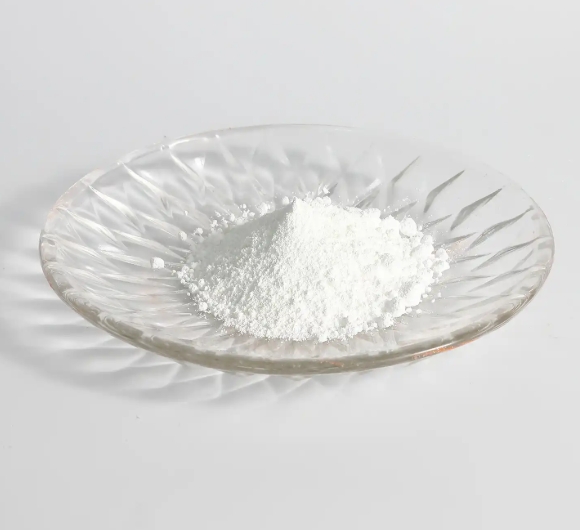
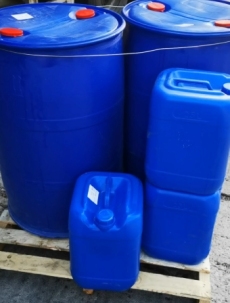
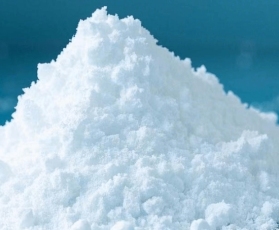
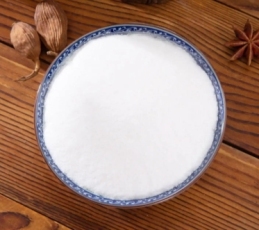
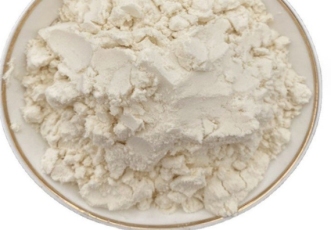
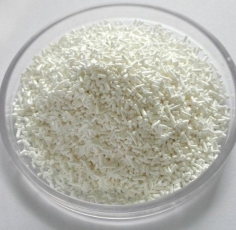
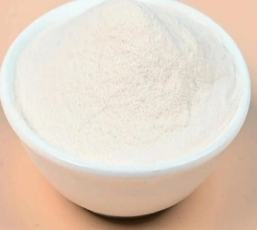
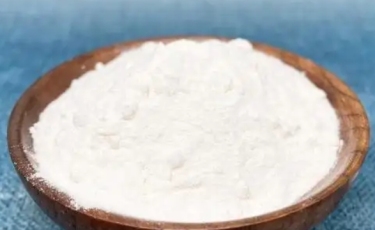
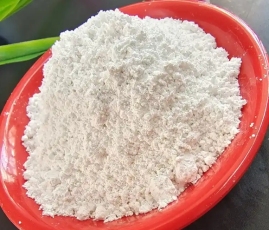
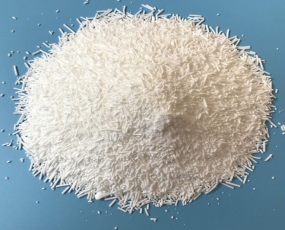
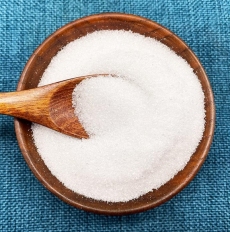
The specifications of this food-grade L-ascorbic acid powder are strictly formulated to meet international food safety regulations. It appears as a uniform white crystalline powder with no visible impurities, with a minimum purity of 99.7% to ensure optimal nutritional and antioxidant performance. The moisture content is controlled at ≤0.1% to prevent degradation during storage, while the loss on drying is kept below 0.2% to maintain long-term product stability. Heavy metal levels (calculated as lead) do not exceed 1mg/kg, and arsenic content is limited to ≤0.5mg/kg to meet strict toxicological safety standards. The total plate count is ≤1000CFU/g, with yeast and mold counts ≤100CFU/g, and no detectable pathogenic bacteria, ensuring food safety for direct use in food production. The particle size ranges from 80 to 100 mesh, ensuring fast dissolution in liquid formulas and uniform dispersion in solid food mixtures. It is packaged in 25kg food-grade plastic drums lined with PE bags to prevent moisture absorption and maintain product quality during transportation and storage.
This raw material is widely applicable across multiple food and beverage sectors. It is primarily used as a nutritional fortifier in a wide range of products including breakfast cereals, dietary supplements, and functional beverages, adding essential vitamin C to meet daily nutritional requirements. As an antioxidant, it is used in the production of fats, oils, and processed meats, preventing oxidation and rancidity, extending shelf life and preserving the original color and flavor of products. It is also ideal for fruit and vegetable products, preventing browning and discoloration during processing and storage. Additionally, it can be used in bakery products including bread, cakes, and cookies, improving dough quality and extending shelf life. Moreover, it can be used in cosmetic and personal care products as an antioxidant and skin conditioning agent, expanding its application scope beyond food and beverage.









 Post RFQ


 Chat
Chat


 ALL CATEGORIES