





Prepared from high-quality zinc ingots through neutralization precipitation process, this product features uniform particle size and extremely low impurity content. With an active zinc content of over 57%, it allows for lower addition amounts, reducing production costs for enterprises. Strictly complying with the HG/T 2523-2007 national standard, its heavy metal content is controlled below 0.002%, meeting the basic safety requirements of food-contact industrial auxiliary materials. Its surface is lightly modified to improve dispersibility in rubber matrices, avoiding agglomeration and shortening mixing time, thus improving production efficiency. In coating systems, it effectively blocks UV and moisture penetration, extending coating service life and solving the problem of high toxicity of traditional antirust pigments.
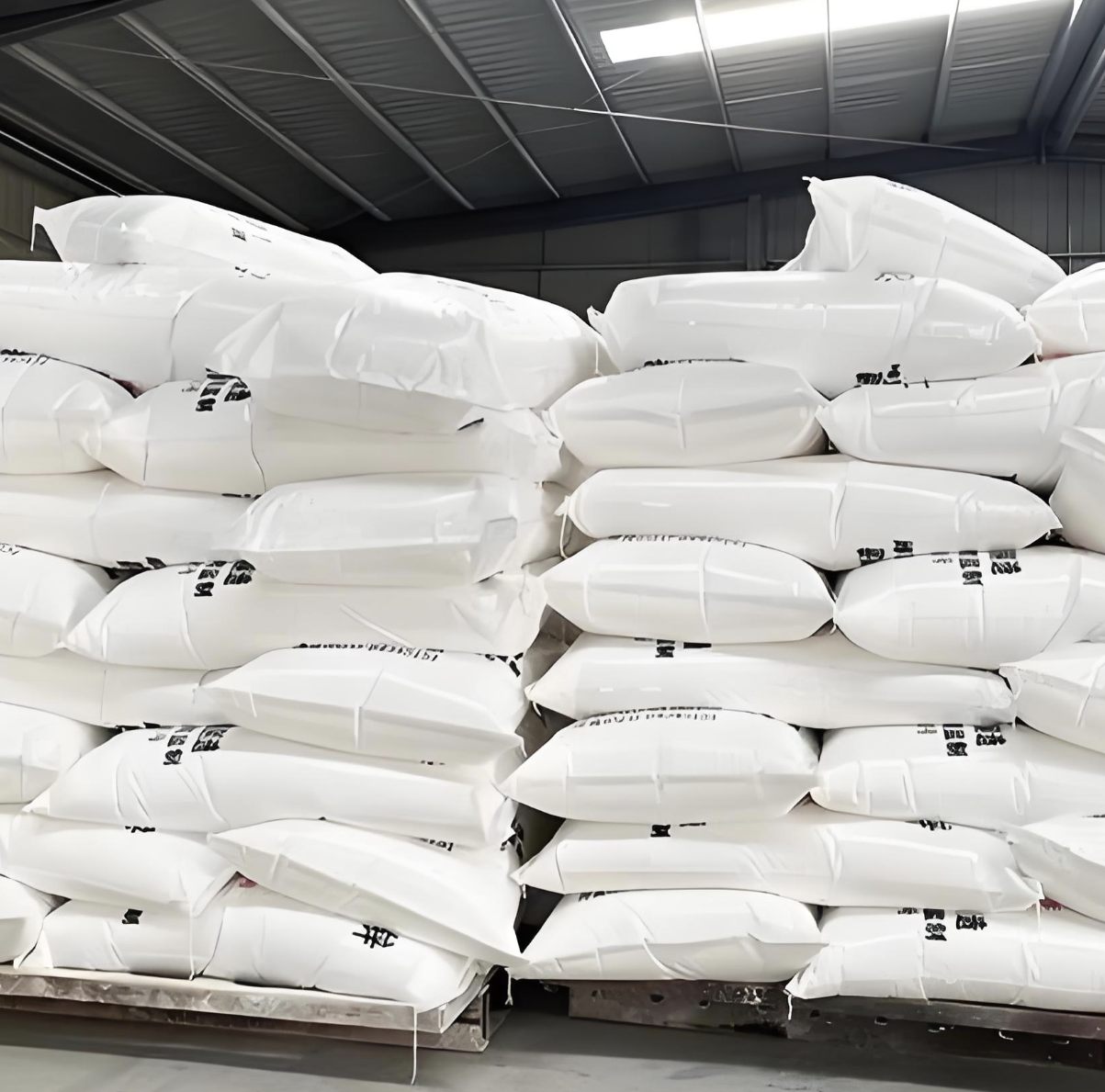
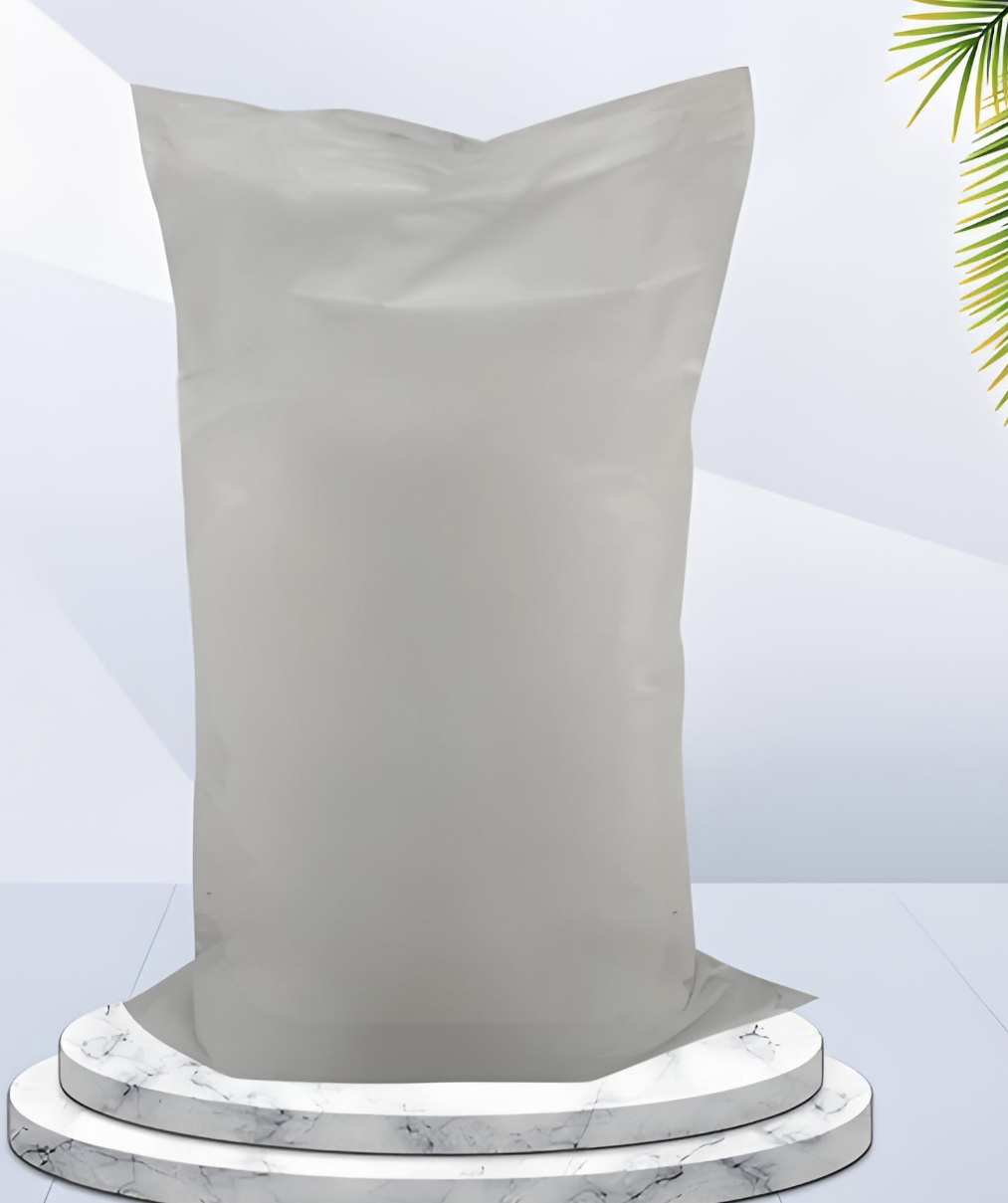
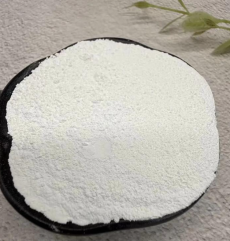
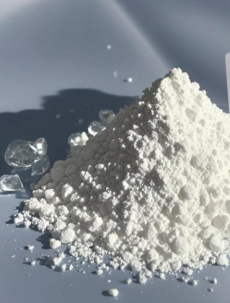
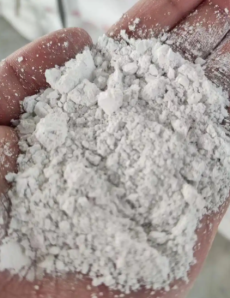
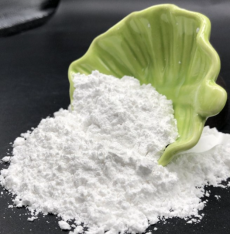
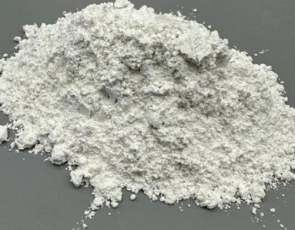
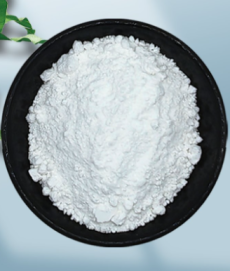
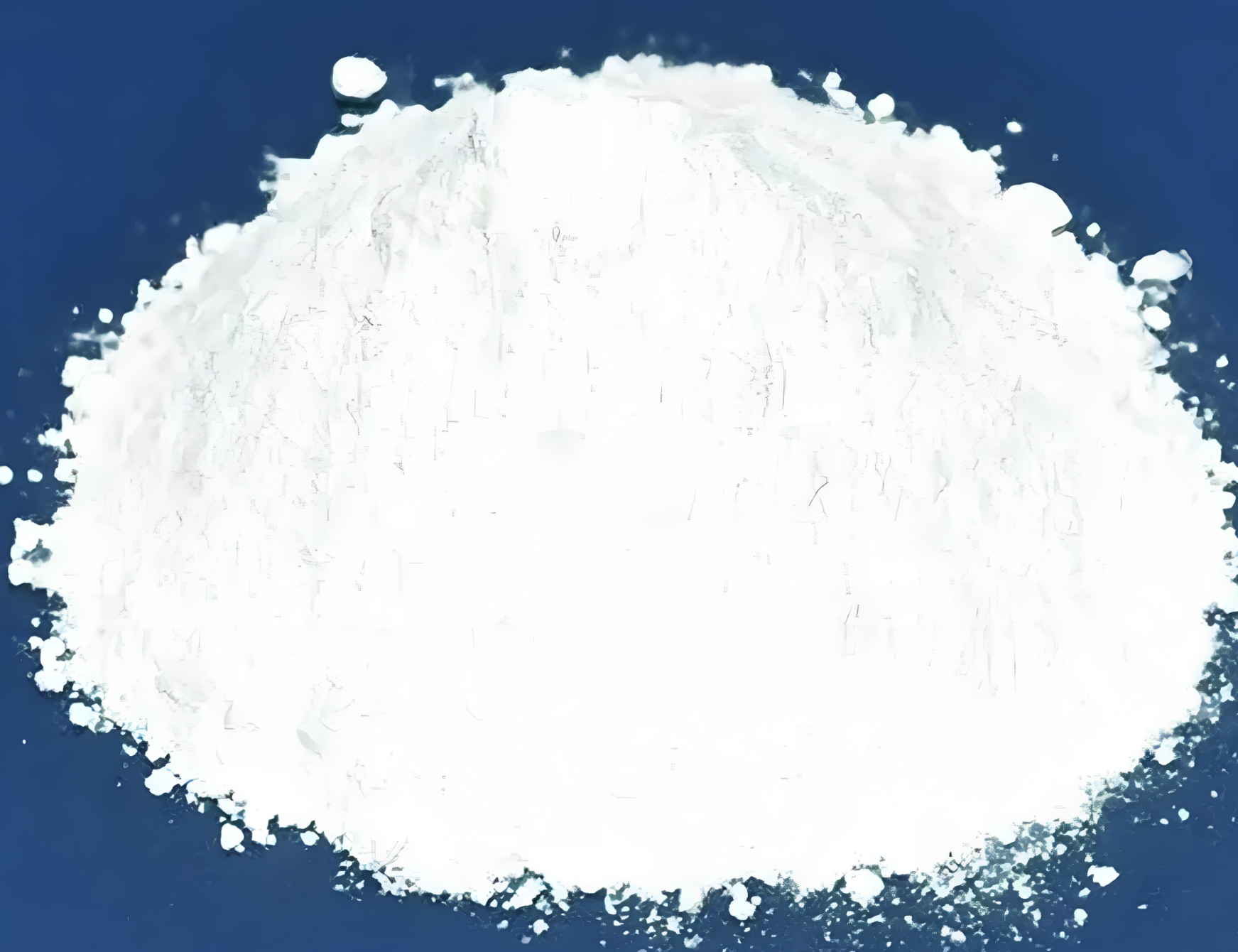
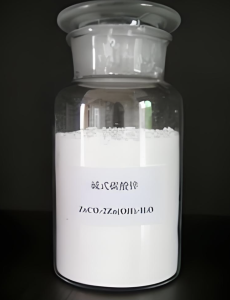
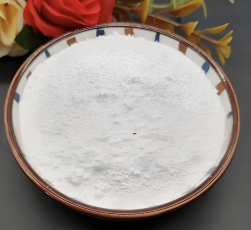
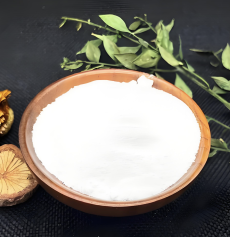
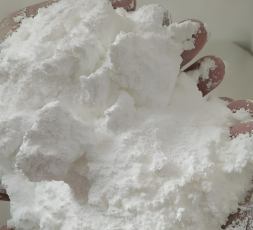
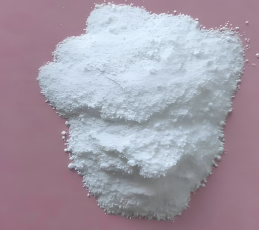
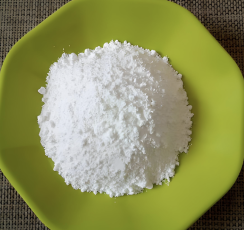
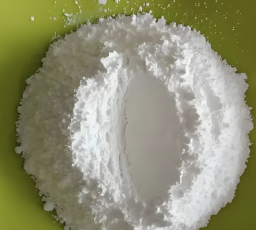
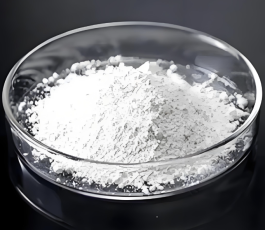
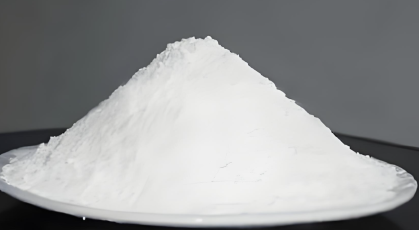
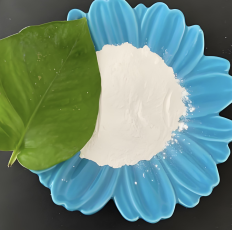
With CAS number 5970-47-8, this industrial basic zinc carbonate has an active zinc content ranging from 55.0% to 58.0%, appearing as pure white amorphous powder. The particle size distribution is between 10-30 μm, with a pH value of 7.0-9.0 for 10% water slurry, and moisture content not exceeding 1.5%. Heavy metal impurities (calculated as lead) are no more than 0.002%. It is packaged in 25kg high-density polyethylene sealed drums, with plywood trays on the outer layer to improve transportation stability. Custom 200kg ton drum packaging is available according to customer needs. It should be stored in a cool, dry and ventilated warehouse, avoiding mixed storage with acidic substances, with a shelf life of 12 months.
It is mainly used as a vulcanization activator in the rubber product industry for the production of tires, rubber hoses, rubber soles and other products, improving vulcanization efficiency and the physical properties of products. In the coating industry, it is used as an antirust and extender pigment in water-based and oil-based coating formulas, improving the weather resistance and corrosion resistance of coatings. It can also be used in the preparation of ceramic glazes to adjust the melting temperature and gloss of glazes, widely used in the production of architectural ceramics and daily ceramics. In addition, it can be used as an intermediate raw material for fertilizer additives to prepare slow-release zinc fertilizers, providing trace element supplements for crops.







 Post RFQ


 Chat
Chat


 ALL CATEGORIES