





Compared with traditional zinc oxide activators, this basic zinc carbonate provides more active sites and can react rapidly with accelerators to form active complexes during vulcanization, addressing the common industry challenges of high dosage and high residue associated with traditional zinc oxide.The product features uniform particle size and excellent dispersibility, enabling even distribution in rubber compounds and helping reduce defects caused by uneven local vulcanization. Produced from high-purity raw materials with strictly controlled impurity levels, it complies with EU REACH regulations and ISO 9001 quality management system standards.It can be directly incorporated into natural rubber and synthetic rubber mixing processes, with minimal impact on the color and transparency of rubber products, making it suitable for the production of light-colored rubber goods.
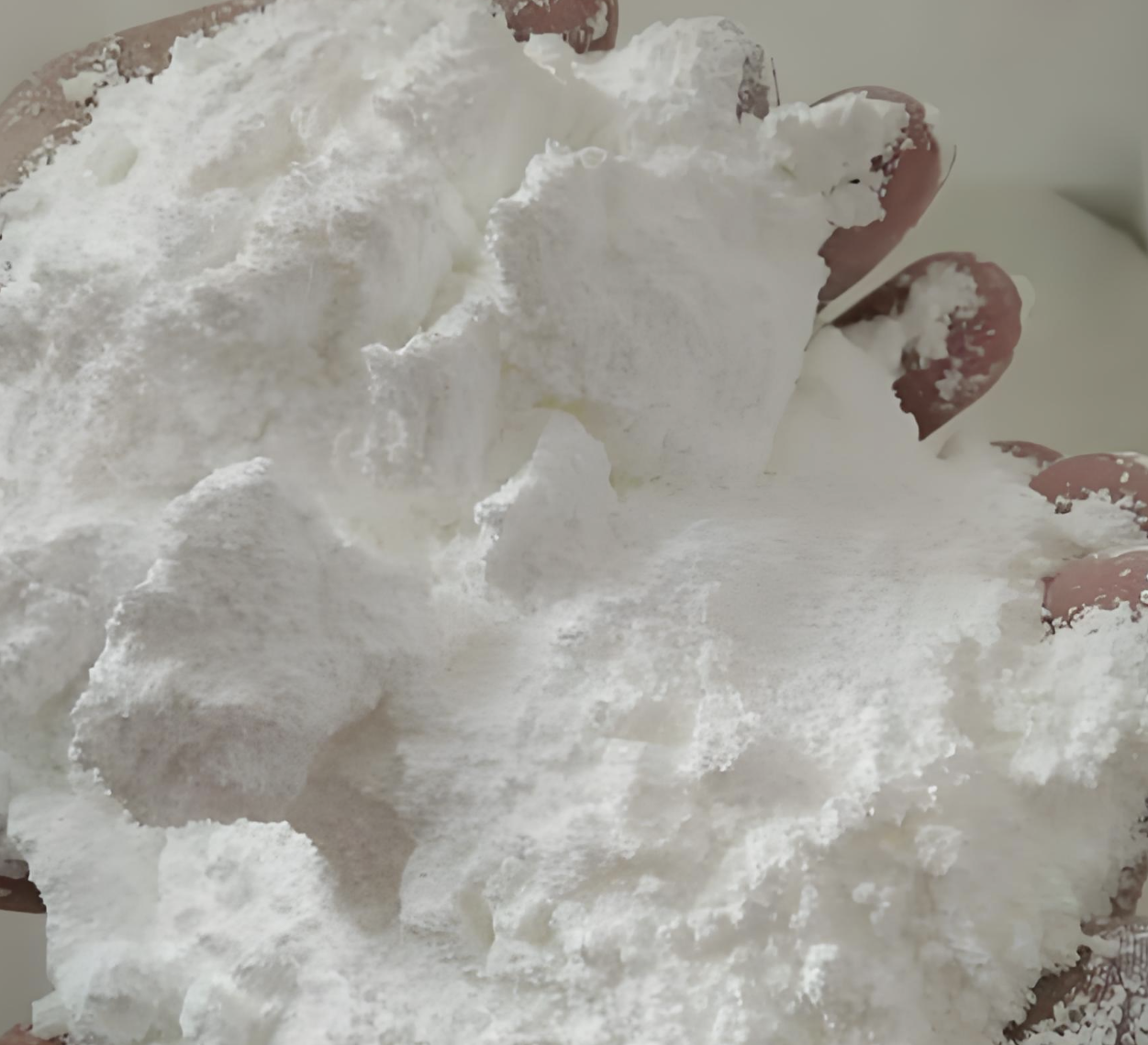
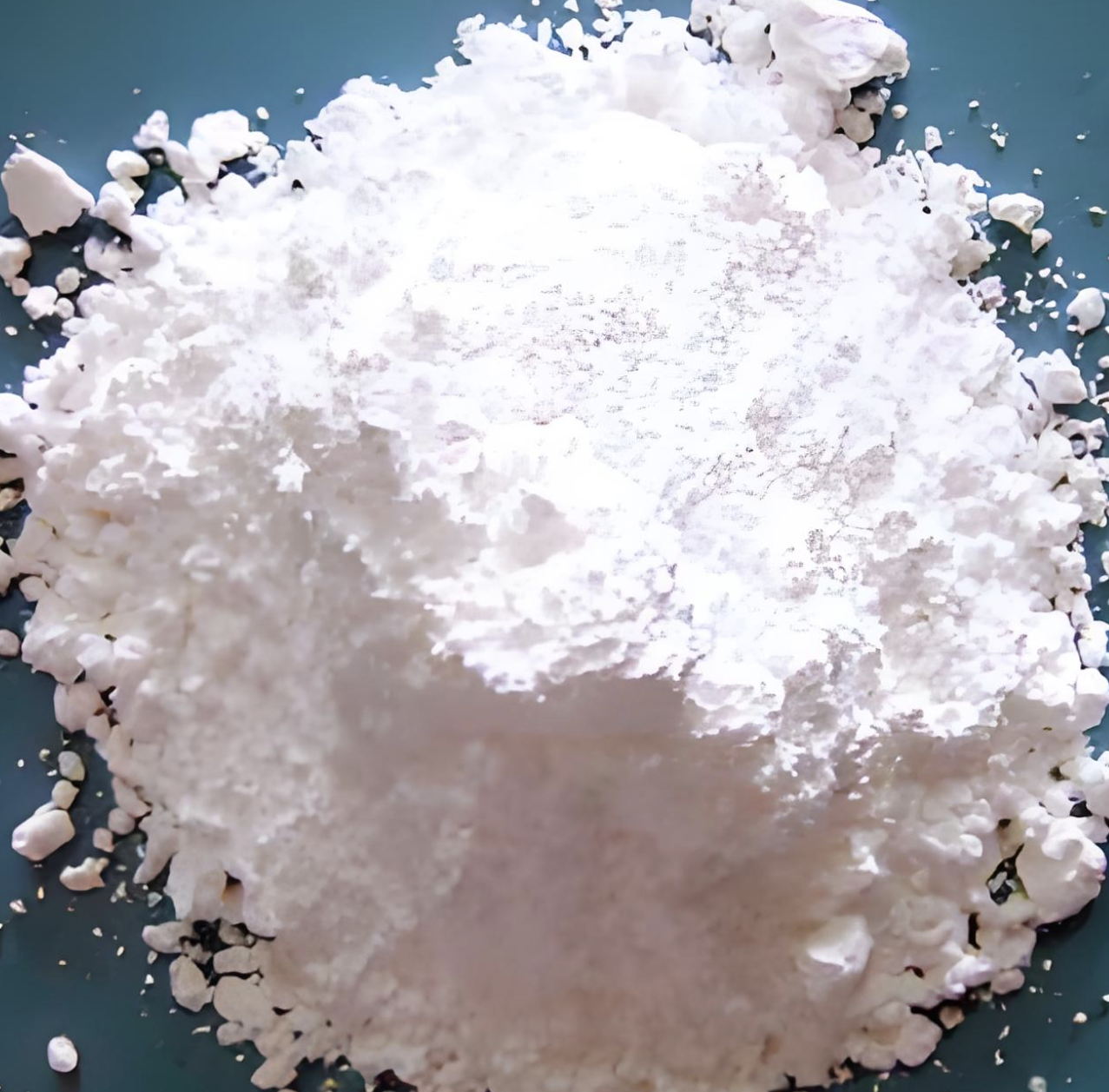
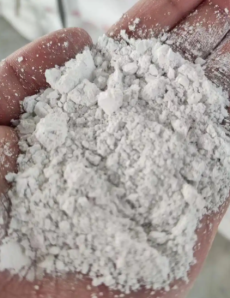
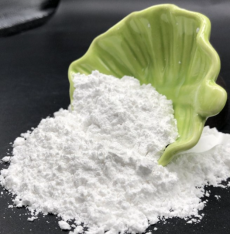
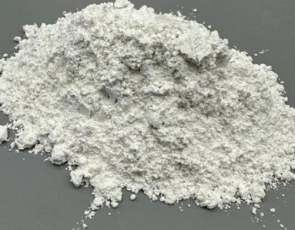
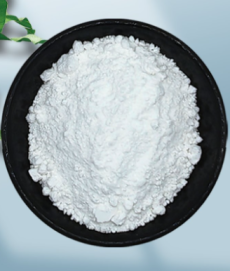
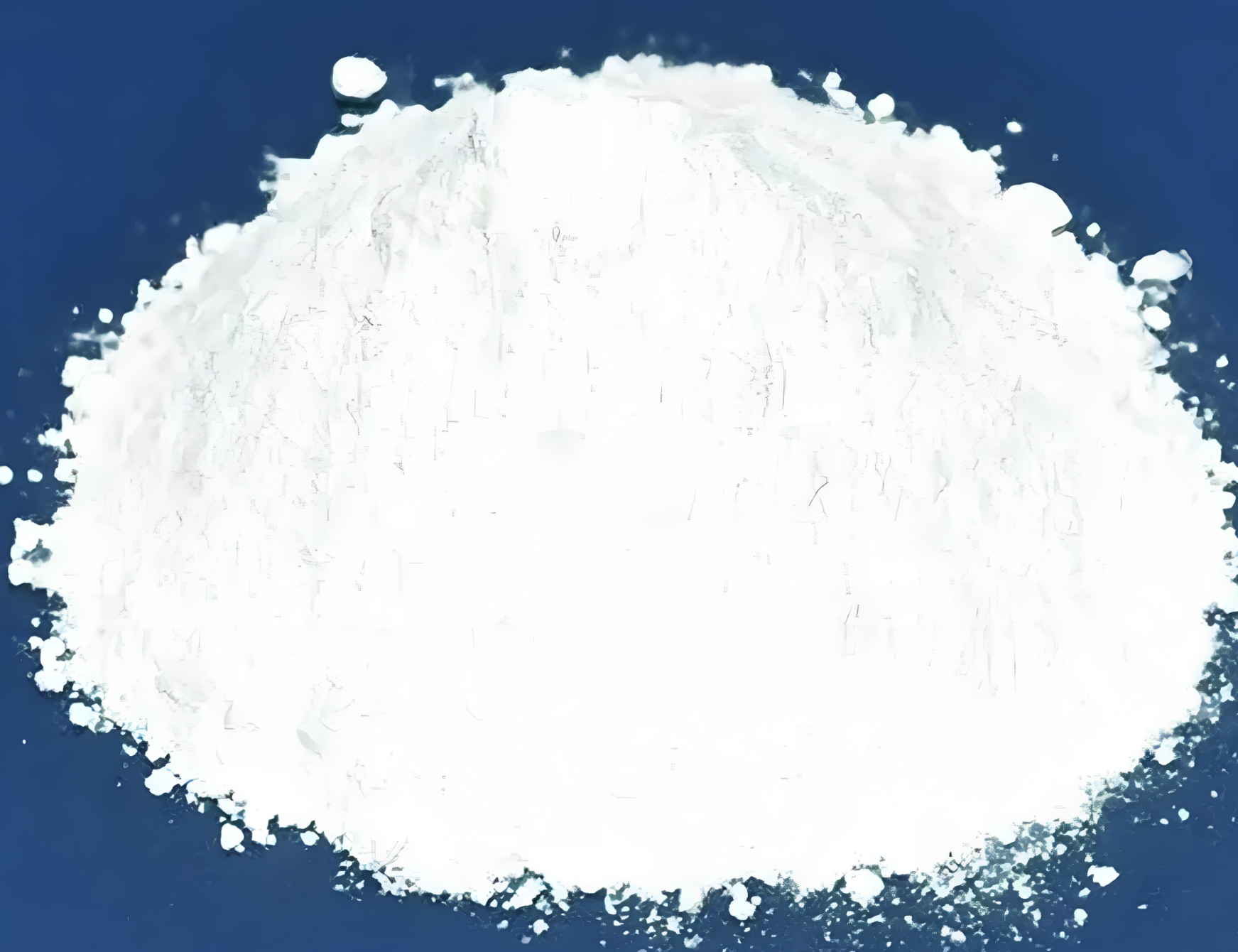
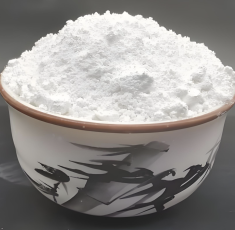
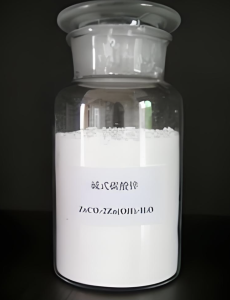
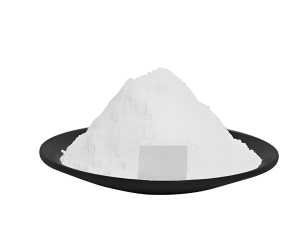
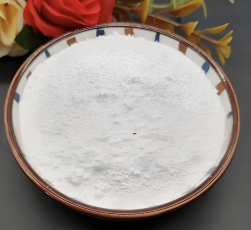
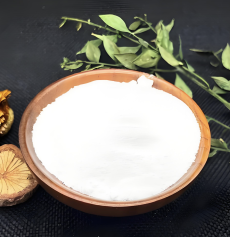
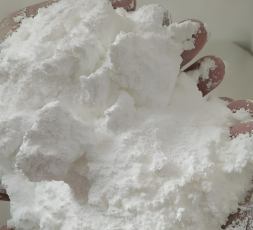
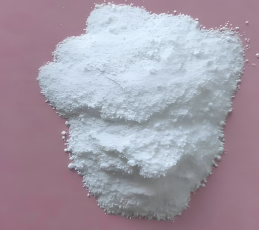
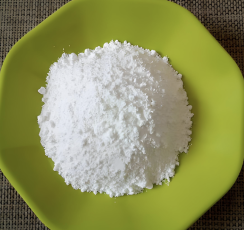
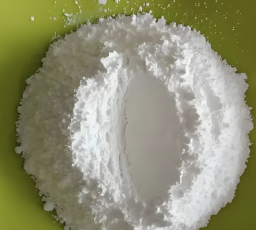
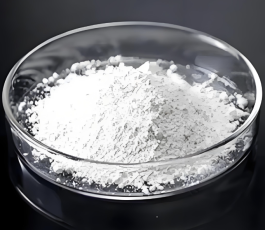
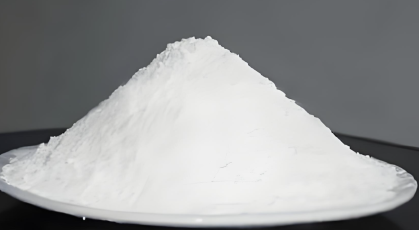
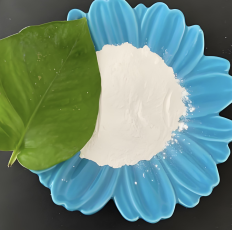
The product is a white fine powder with a purity of ≥99% and zinc content ≥58%. Loss on ignition is 25.0%–28.0%. Average particle size D50 is 22μm to support fast dispersion during rubber mixing.The pH value of a 10% suspension is 8.0–10.0, compatible with the acid-base environment of rubber mixing. Moisture content is ≤0.2%, helping prevent bubble formation during mixing. Bulk density is 0.6–1.0g/cm³ for convenient metering and feeding in mixing equipment.It is packed in 20kg moisture-proof plastic woven bags with PE inner liners, suitable for long-distance transportation and industrial storage. Shelf life is 18 months. The product conforms to ISO 9001 and REACH requirements.
It is mainly used in tire manufacturing, rubber conveyor belts, automotive rubber seals, sports shoe soles, medical rubber gloves and other rubber product industries. Typical applications include activation in natural rubber mixing, vulcanization promotion in styrene-butadiene rubber, and support for color consistency in light-colored rubber products.It can help lower vulcanization temperature by approximately 10–15℃, reduce vulcanization time by over 30%, improve the tensile strength of rubber products by more than 20%, and cut accelerator dosage by around 15%, effectively lowering the overall cost of rubber production.







 Post RFQ


 Chat
Chat


 ALL CATEGORIES