Basic Info
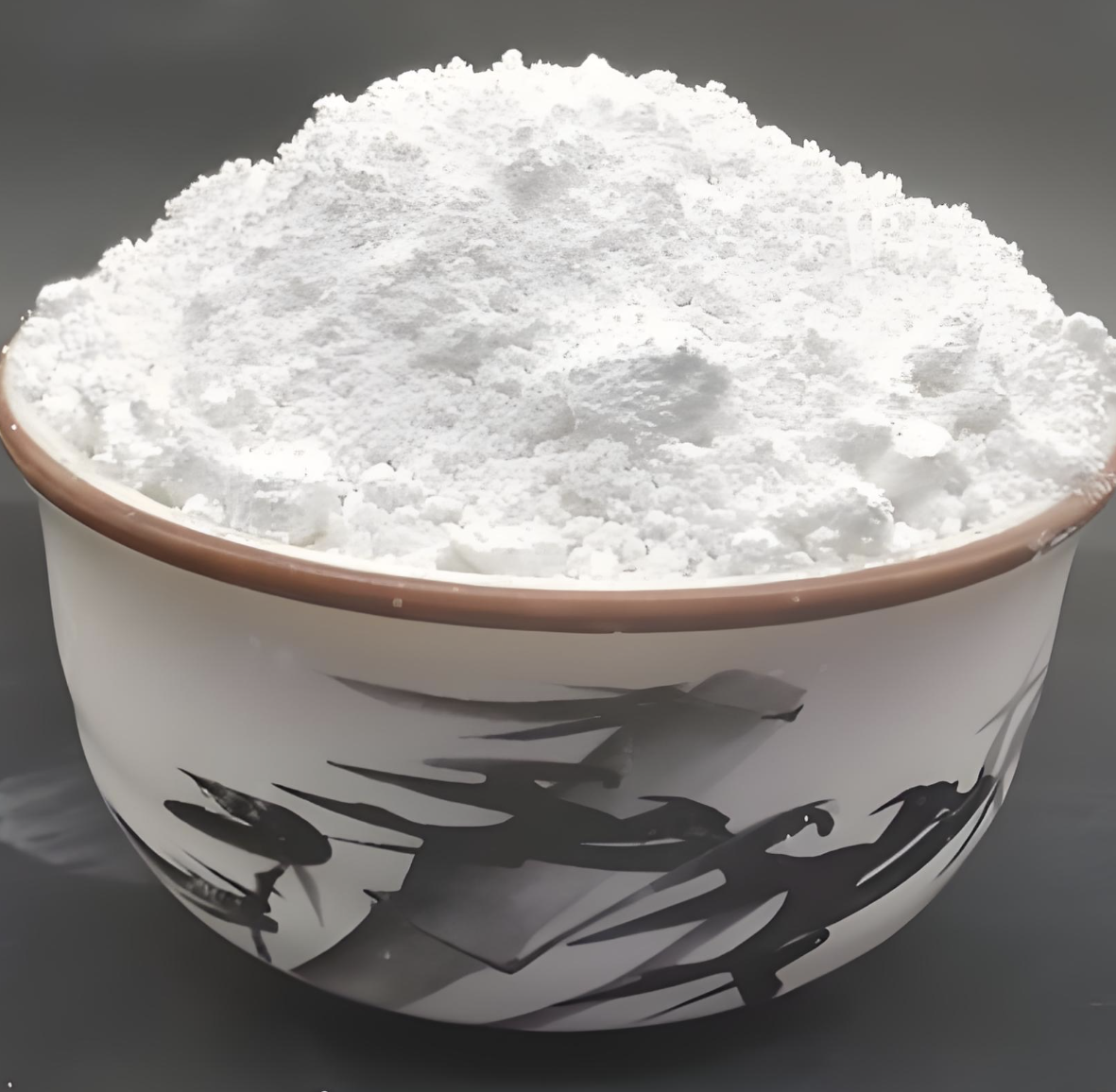
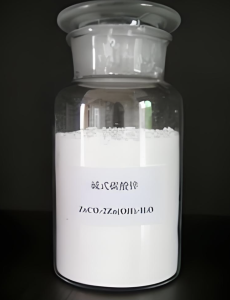
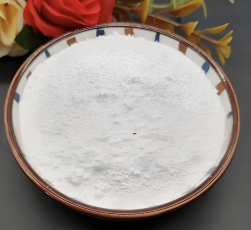
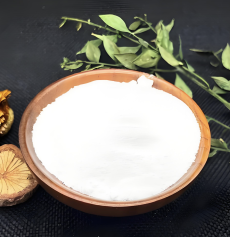
This ceramic glaze grade basic zinc carbonate is a specialized raw material for ceramic glaze production, improving the performance and appearance of ceramic glazes by enhancing their gloss, hardness, and chemical resistance. It acts as a flux to lower the melting temperature of ceramic glazes, improving their flow properties during the firing process and reducing energy consumption for ceramic manufacturers. Unlike traditional zinc oxide, which can cause uneven glaze distribution and surface defects, basic zinc carbonate has a narrow particle size distribution that ensures uniform mixing with other glaze ingredients, resulting in a consistent, high-quality finished product. It is suitable for use in a wide range of ceramic products, from floor and wall tiles to high-end sanitary ware and artistic ceramics, meeting the diverse needs of the global ceramic industry.
Customer reviews

Sarah Wilson · Ceramic Glaze Technician
The Ceramic Glaze Grade Basic Zinc Carbonate has become an essential component in our glaze formulations. It provides excellent opacity and brightness to our ceramic products while maintaining good suspension properties in the glaze slurry. We've particularly noticed improved thermal stability in our high-temperature firing processes. The consistent quality batch after batch has made our production process more predictable and efficient.
Product Description
Product features:
This ceramic grade basic zinc carbonate features an ultra-fine particle size of 1-5μm, which ensures excellent dispersion in ceramic glaze formulations, eliminating the formation of agglomerates that cause surface defects such as pinholes and uneven gloss. Its ultra-low iron content (≤5ppm) prevents yellowing or discoloration of the glaze, ensuring a consistent, bright finish on all ceramic products. It acts as an effective flux, reducing the firing temperature of glazes by up to 50℃, which lowers energy costs and extends the lifespan of kiln equipment. We offer customized particle size options to match specific glaze formulations, allowing ceramic manufacturers to optimize their production processes for different product lines. Each batch is tested for glaze performance, including gloss retention, hardness, and chemical resistance, providing manufacturers with the data they need to meet strict quality standards. Unlike generic zinc-based glaze additives, our product has a long shelf life and does not degrade during storage, ensuring consistent performance batch after batch.
Product specifications:
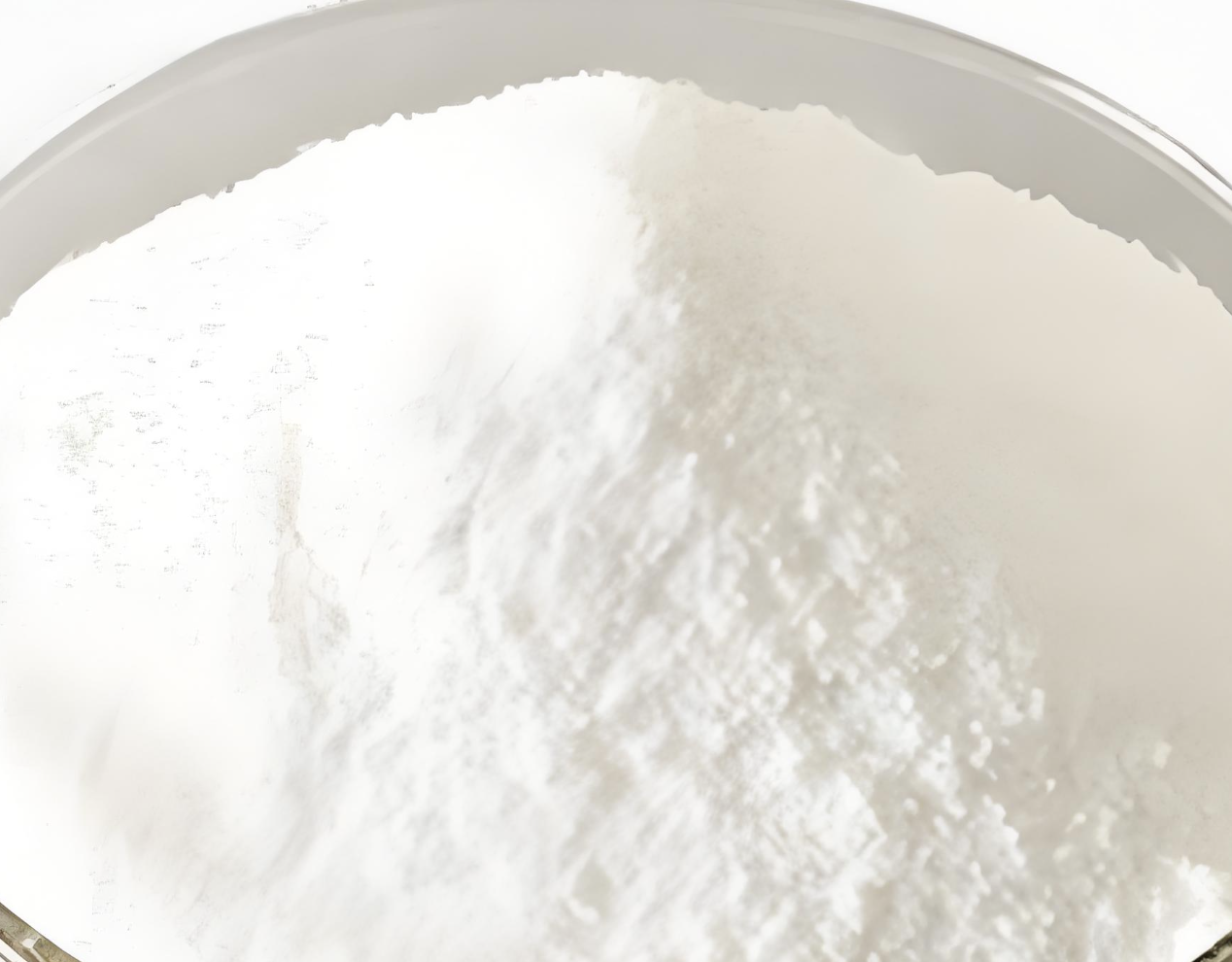
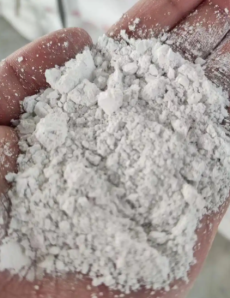
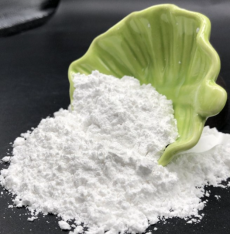
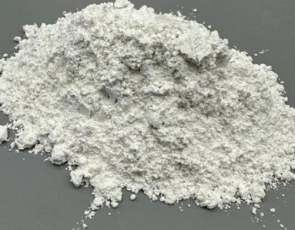
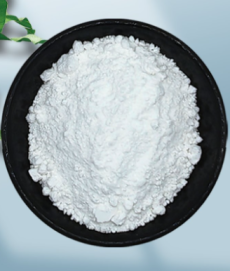
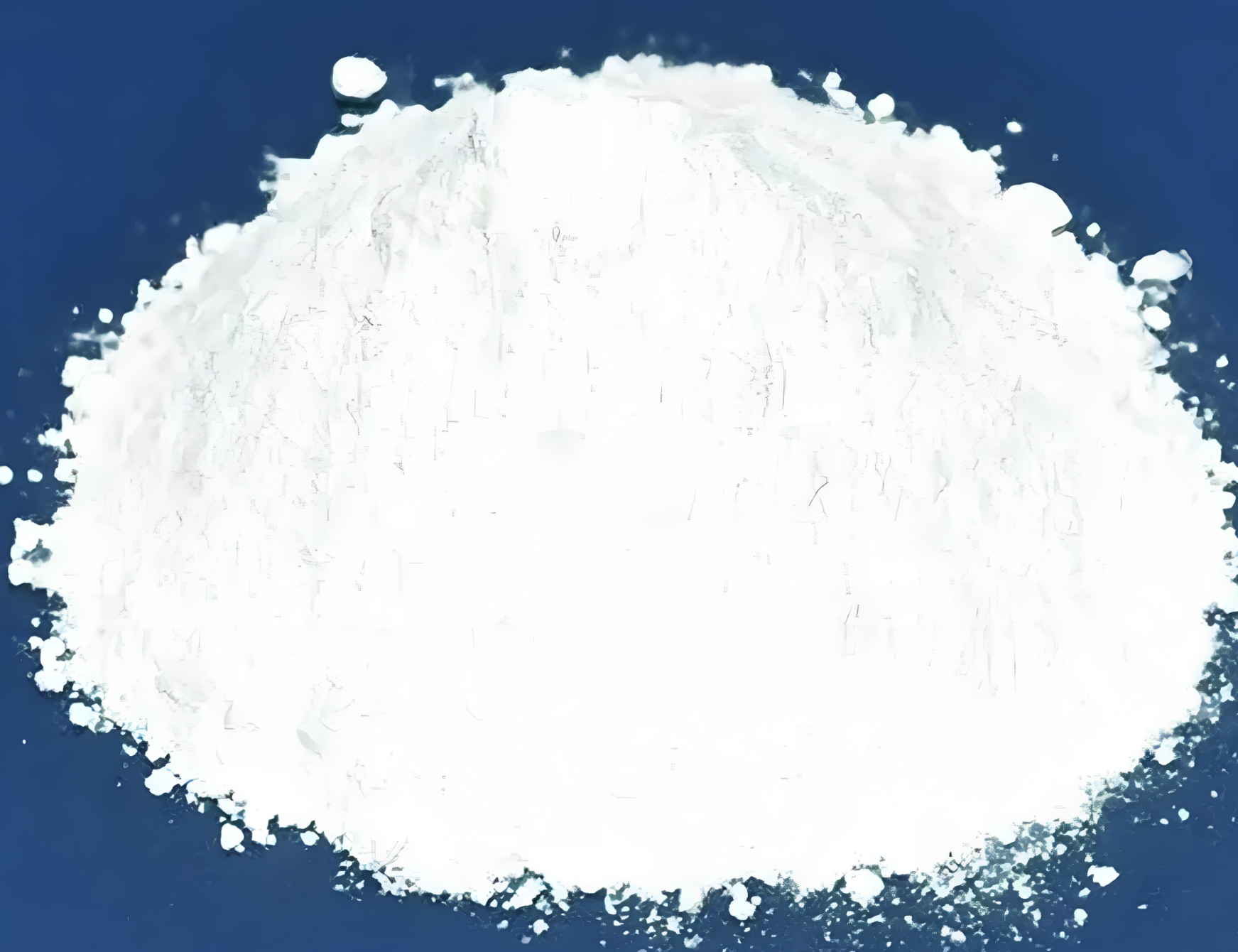
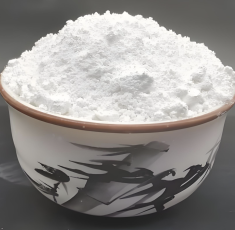
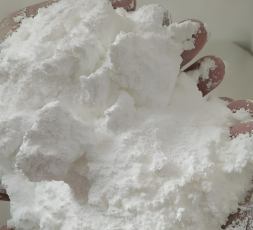
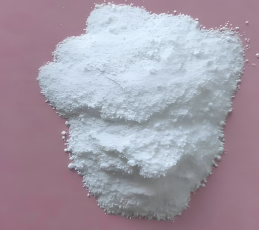
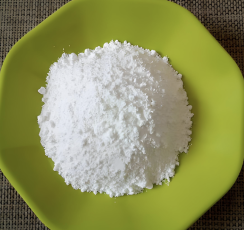
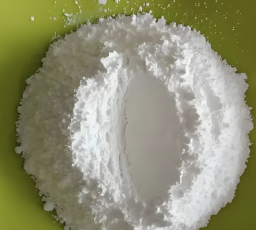
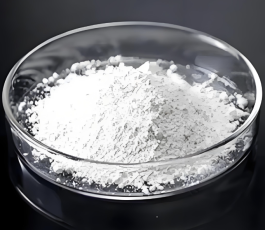
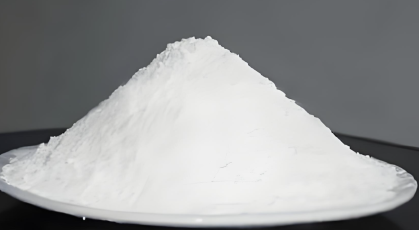
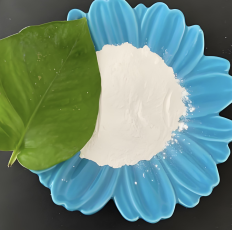
Appearance: White, odorless amorphous powder; Purity: 99.0% minimum; Zinc Content (Zn): 62.0% minimum; Particle Size (D50): 1-5μm; Moisture Content: 0.2% maximum; Iron Content (Fe): ≤5ppm; Heavy Metal (Pb): ≤3ppm; Loss on Ignition: 24.0-29.0%; Bulk Density: 0.6-0.9 g/cm³; pH Value (10% Suspension): 7.2-8.5; Packaging: 25kg food-grade plastic drum with inner plastic liner, or 1000KG ton bags; Storage: Store in a cool, dry, ventilated warehouse, away from moisture and acidic materials; Shelf Life: 2 years; Compliance Standards: ISO 9001, Ceramic Industry Quality Standards.
Product application:
This ceramic grade basic zinc carbonate is primarily used by ceramic tile manufacturers, sanitary ware producers, and artistic ceramic studios. In the production of floor and wall tiles, it helps reduce the firing time and energy consumption while improving the scratch resistance of the tile surface. For sanitary ware manufacturers, it enhances the gloss and stain resistance of toilet and sink bowls, making them easier to clean and more visually appealing. In artistic ceramics, it can be used to adjust the color and texture of glazes, creating unique and desirable finishes for collectors and high-end interior design projects. It is also suitable for use in the production of electronic ceramics, where its low impurity content ensures consistent electrical performance, and can be supplied in small batch sizes for artisanal ceramic producers or bulk quantities for large-scale industrial manufacturers.
Frequently Asked Questions (FAQ)
Q:What are the key properties of ceramic glaze grade basic zinc carbonate?
A:Ceramic glaze grade basic zinc carbonate offers high purity (≥98%), fine particle size (D50≤5μm), and excellent dispersion. It enhances glaze opacity, improves thermal stability (up to 300°C), and reduces glaze defects like pinholes.
Q:How does basic zinc carbonate improve ceramic glaze performance?
A:Basic zinc carbonate acts as a fluxing agent, lowering melting temperature (by 20-30°C). It increases glossiness (60-85 GU) and chemical resistance, while preventing crazing. Its whiteness (≥95%) also brightens colored glazes.
Q:What's the recommended dosage of basic zinc carbonate in ceramic glazes?
A:Typical dosage ranges 3-8% by weight. For matte glazes: 3-5%, glossy glazes: 5-8%. Exceeding 10% may cause crystallization or reduce mechanical strength. Always conduct small-batch tests first.
Q:How to store ceramic glaze grade basic zinc carbonate properly?
A:Store in sealed containers at <30°C, humidity <60%. Avoid direct sunlight. Shelf life is 24 months. Prevent contamination from acids or ammonium salts which may cause decomposition.
Q:What safety precautions apply when handling basic zinc carbonate?
A:Wear NIOSH-approved dust masks (N95) and gloves. Avoid inhalation - TWA limit 5mg/m³ (ZnO basis). Ensure proper ventilation. In case of eye contact, rinse immediately with water for 15 minutes.












 Post RFQ


 Chat
Chat


 ALL CATEGORIES