Basic Info
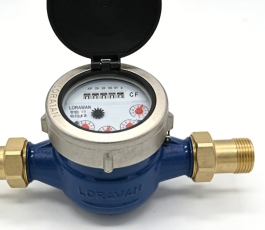
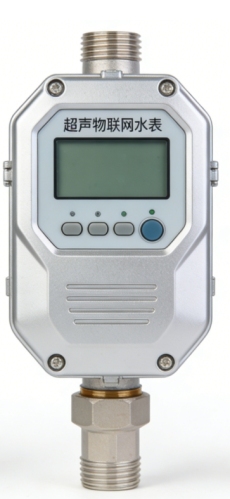
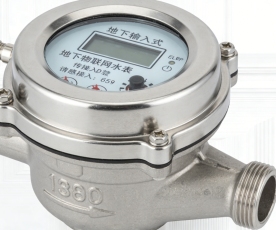
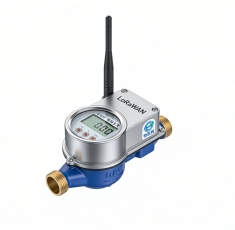
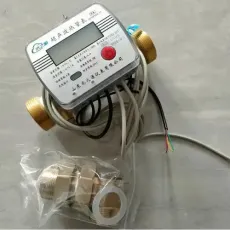
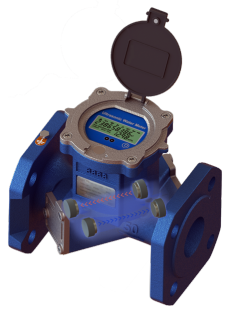
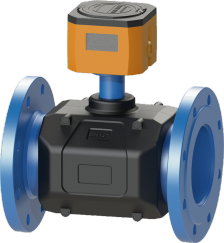
This non-mechanical ultrasonic heat water meter uses non-contact ultrasonic measurement technology, with no mechanical transmission parts, completely solving the wear problem of traditional mechanical water meters. It has a longer service life and higher metering stability, suitable for centralized heating metering in multi-story residential apartments. It supports USB interface data export, facilitating manual meter reading or data organization by property managers. It also has the advantages of compact size and easy installation, making it ideal for heating metering renovation projects in old residential communities.
Customer reviews

David Mitchell · Plumbing Contractor
As a plumbing contractor, I've installed numerous water meters, and the non-mechanical ultrasonic heat water meter stands out. Its lack of moving parts means it's incredibly durable and resistant to wear and tear. The ultrasonic technology ensures precise measurements, even at low flow rates, which is crucial for accurate billing. My clients appreciate its longevity and the fact that it doesn't require frequent calibrations. A top choice for modern plumbing systems.
Robert Lee · Environmental Engineer
From an environmental standpoint, the non-mechanical ultrasonic heat water meter is a winner. Its energy-efficient design and lack of mechanical components reduce both operational costs and environmental impact. I've tested its accuracy under various conditions, and it consistently delivers reliable results. The ability to integrate with smart home systems is another bonus, allowing for better water conservation efforts. A must-have for eco-conscious consumers.
Jennifer Adams · Technical Support Specialist
Providing technical support for water meters, I've seen my share of issues with mechanical models. The non-mechanical ultrasonic heat water meter has been a breath of fresh air. Customers rarely report problems, and when they do, troubleshooting is straightforward thanks to its modular design. The manufacturer's support is also excellent, with detailed documentation and quick response times. It's refreshing to support a product that just works as intended.
Emily Carter · Homeowner
The non-mechanical ultrasonic heat water meter has been a game-changer for our household. Unlike traditional meters, it operates silently and requires no maintenance. The accuracy is impressive, and we've noticed a significant reduction in discrepancies in our water bills. The installation was straightforward, and the digital display makes it easy to monitor our usage in real-time. Highly recommend for anyone looking for a reliable and hassle-free solution.
Sarah Johnson · Property Manager
Managing multiple rental properties, I needed a water meter that could handle high usage without constant maintenance. The non-mechanical ultrasonic heat water meter has exceeded my expectations. Its ability to measure hot and cold water separately is a huge plus, and the data logging feature helps me track usage patterns across properties. Tenants have also commented on how unobtrusive it is. A solid investment for any property manager.
Product Description
Product features:
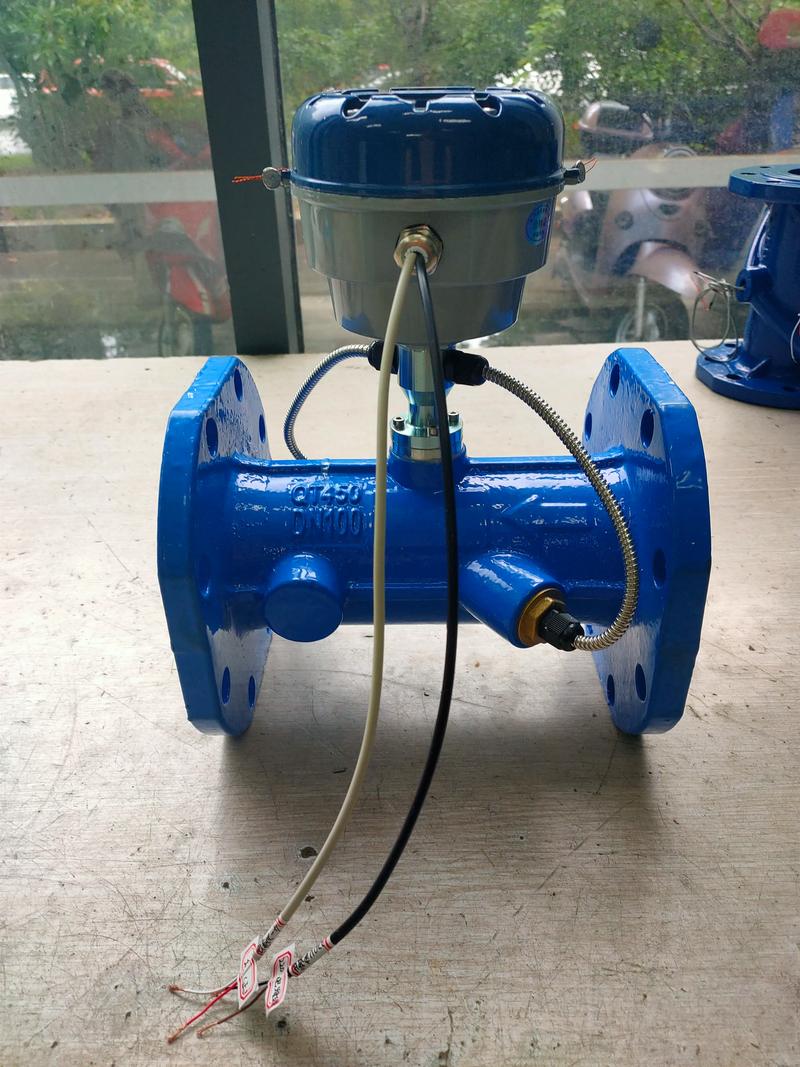
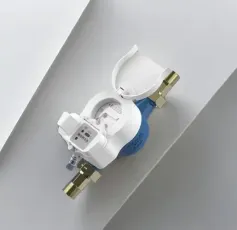
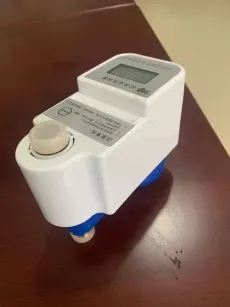
This meter adopts the time-difference ultrasonic measurement principle, calculating flow and heat by detecting the propagation time difference of ultrasonic waves in the fluid. It has no mechanical wearing parts, so no daily lubrication or maintenance is required, and its metering accuracy conforms to the ISO 4064 Class 2 standard. It uses food-grade plastic shell and brass movement, compatible with drinking water and heating circulation water media, avoiding water quality pollution problems. It is powered by 2 AA alkaline batteries with a service life of up to 2 years, eliminating frequent battery replacement needs. The LCD digital display is clear and easy to read, supporting USB data export in CSV format, solving the tedious process of on-site meter reading required by traditional mechanical water meters. Its compact size allows installation in small pipe wells without occupying too much space.
Product specifications:
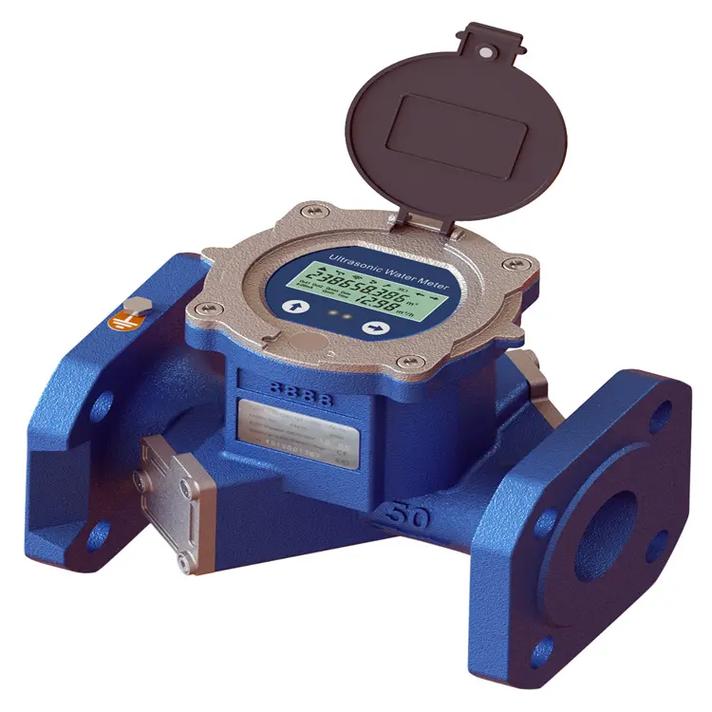
Four optional nominal calibers: DN15, DN20, DN25, DN32mm. The maximum working pressure is 1.0MPa, with an applicable medium temperature range of 2℃ to 90℃. The shell uses food-grade PP plastic paired with a brass valve core assembly. The total unit weight is approximately 0.8kg, with overall dimensions of 150mm × 70mm × 100mm. The metering resolution is 0.01 MWh, powered by 2 AA alkaline batteries with a service life of ≥2 years. It has an IP68 protection rating and no mechanical transmission structure. The installation method is snap-on threaded connection, compatible with household PPR pipelines. The USB interface supports CSV format data export, which can be directly uploaded to management software.
Product application:
It is suitable for individual household heat metering in multi-story residential apartments and small commercial stores. It can be used as a replacement for traditional mechanical water meters in old residential community heating metering renovation projects, improving metering accuracy and management efficiency. It can also be used as a temporary metering device for small homestays and rental houses, facilitating landlords to count tenants' heat consumption. It complies with relevant national policies for urban heating metering, and can be matched with simple management software to organize and analyze energy consumption data.
Frequently Asked Questions (FAQ)
Q:What distinguishes a Non-mechanical Ultrasonic Heat Water Meter from traditional models?
A:Non-mechanical Ultrasonic Heat Water Meters use sound waves to measure flow, eliminating moving parts. They offer higher precision, corrosion resistance, and lower pressure loss, suitable for harsh water conditions or low-flow scenarios.









 Post RFQ


 Chat
Chat


 ALL CATEGORIES