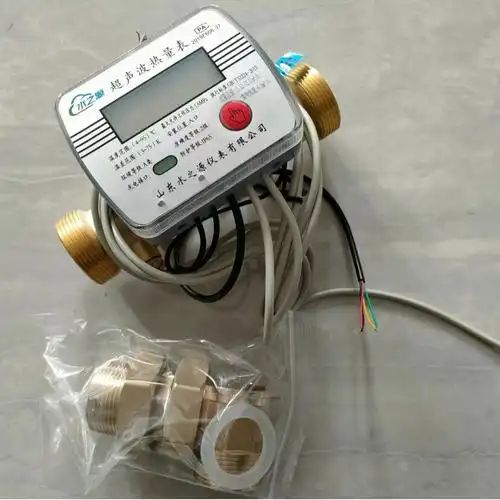
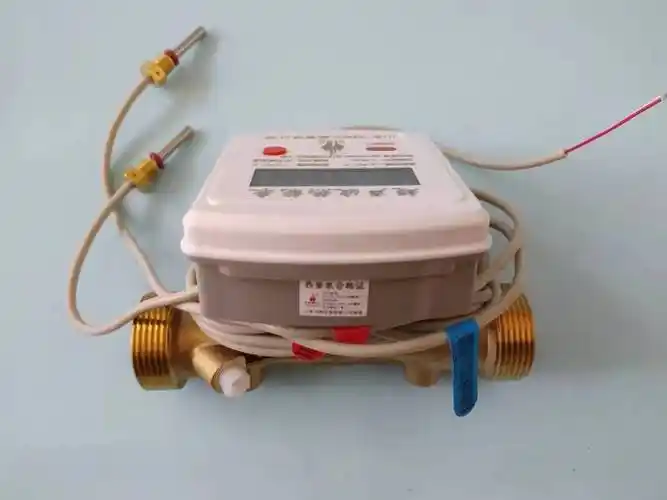


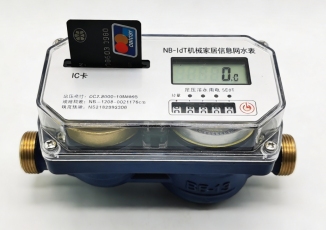
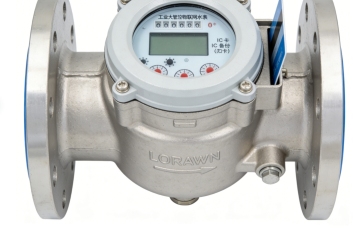
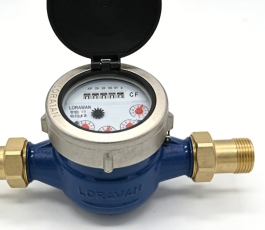
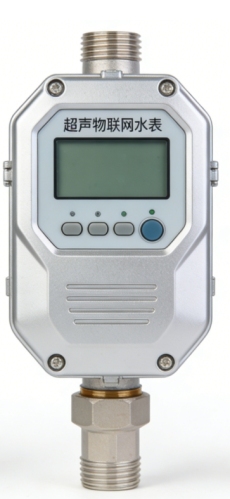
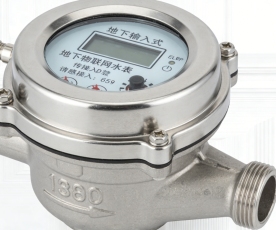
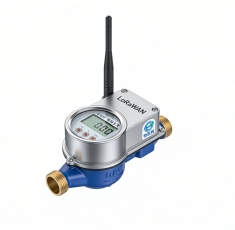

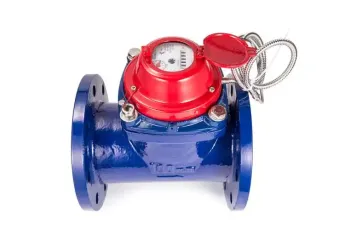
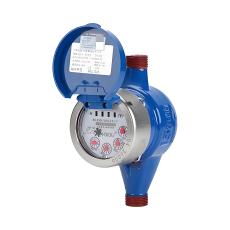
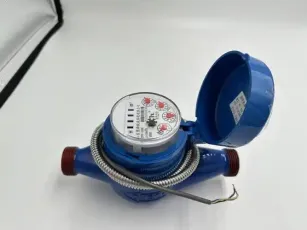
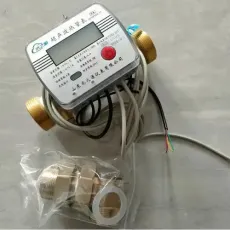
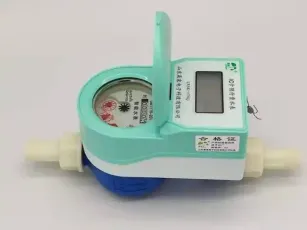
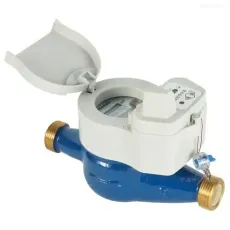
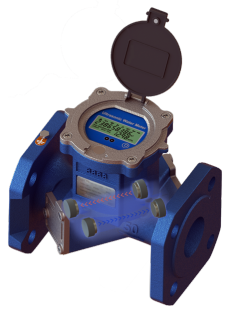
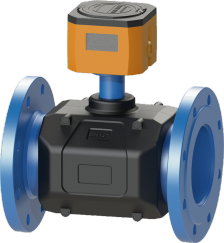
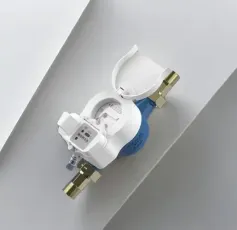
The core advantage of this modular heat meter is its detachable design, which allows the meter head and movement to be replaced on-site without shutting off the water supply, greatly reducing maintenance time and costs. The stainless steel movement can be cleaned regularly to remove scale and impurities, ensuring long-term stable metering accuracy. It supports multiple signal output methods, adapting to remote meter reading systems, and its non-contact ultrasonic measurement design eliminates mechanical wear, extending the service life to up to 12 years. The quick installation flange interface shortens the installation time, making it suitable for new construction and renovation projects. Its compact brass shell has strong corrosion resistance, adapting to various water quality conditions.
This meter has a nominal diameter range of DN15 to DN50, with dimensions of 130mm in length, 90mm in width, and 70mm in height for the DN15 model, weighing approximately 1.3kg. It operates at a maximum pressure of 1.6MPa and a working temperature range of 5℃ to 95℃. It uses a 3.6V lithium battery with a service life of up to 12 years. The LCD display shows cumulative heat consumption, total water usage, instantaneous flow rate, and remaining battery power. It meets the ISO 4064 Class 2 accuracy standard, and its IP68 protection rating allows for installation in outdoor and humid environments. It supports M-Bus and RS485 signal output, and the quick installation flange interface reduces installation time by more than 50% compared to traditional meters.
This modular detachable heat quantity water meter is applicable to commercial buildings, hotels, hospitals, and other high-use heat metering scenarios, as well as water and heat energy projects that require regular maintenance. It is suitable for old community renovation projects, reducing the maintenance downtime and costs of property management. It is ideal for scenarios that require rapid replacement of meter components, providing reliable metering data and reducing the operational burden of maintenance teams.








 Post RFQ


 Chat
Chat


 ALL CATEGORIES