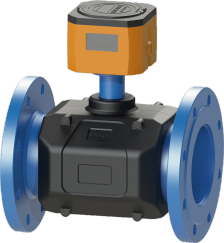


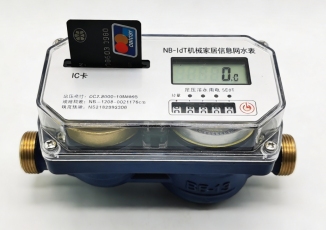
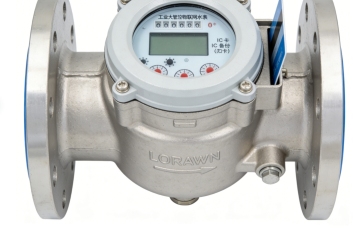
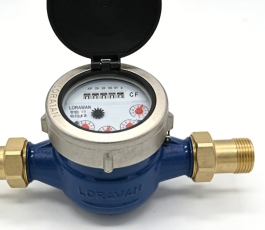
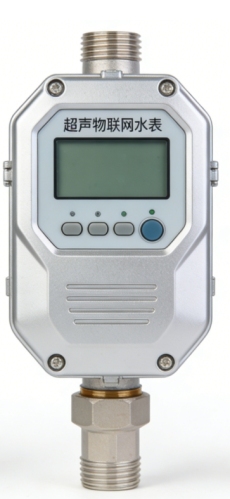
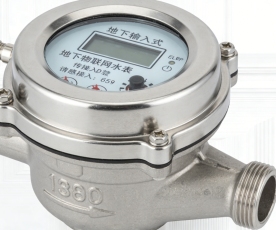
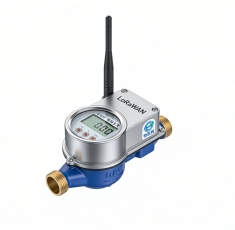

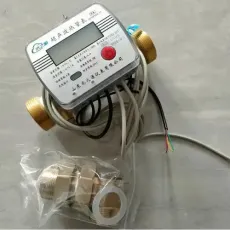
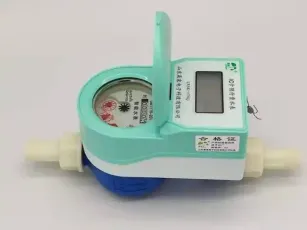
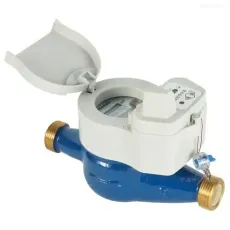
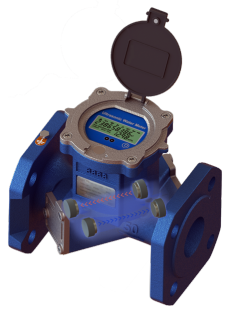
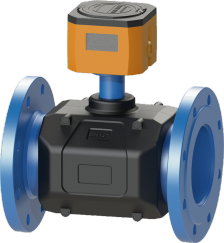
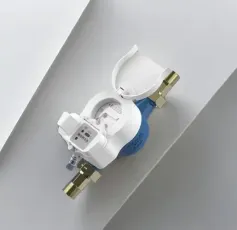
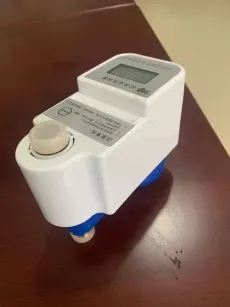
The core advantage of this residential ultrasonic heat meter lies in its non-contact measurement design, which has no vulnerable mechanical moving parts, greatly extending service life and reducing long-term maintenance costs. The ultrasonic time-difference measurement technology ensures high precision even under low-flow conditions, solving the problem of inaccurate metering for small heat usage. It supports two common communication protocols, M-Bus and RS485, enabling seamless integration with existing smart building and energy management platforms. The 3.6V lithium battery provides up to 10 years of power supply without frequent replacements, making it maintenance-free for end users. Additionally, its compact brass shell with stainless steel impeller resists corrosion and scale buildup, adapting to various water quality conditions. It also features a user-friendly interface, with clear data display and easy parameter configuration for property managers.
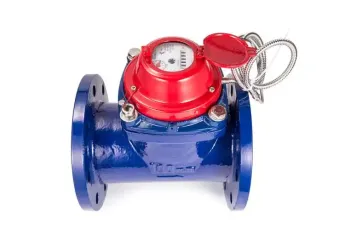
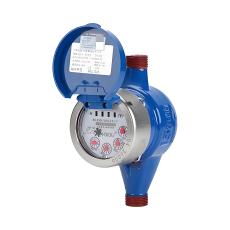
This meter has a nominal diameter range of DN15 to DN40, with dimensions of 120mm in length, 80mm in width, and 60mm in height for the DN15 model, weighing approximately 1.2kg. It operates at a maximum pressure of 1.6MPa and a working temperature range of 5℃ to 95℃, suitable for most residential heating and water supply systems. The backlit LCD display shows cumulative heat consumption, total water usage, instantaneous flow rate, and remaining battery power. It uses a 3.6V lithium iron phosphate battery with a service life of up to 10 years under normal usage. The meter meets the ISO 4064 Class 2 accuracy standard, ensuring compliance with global metering regulations. It supports both M-Bus and RS485 signal output, and its IP68 protection rating allows for installation in basements, outdoor utility rooms, and other humid environments.
This residential ultrasonic heat quantity water meter is primarily applicable to residential communities, apartment buildings, small retail stores, and rental properties. It is ideal for old community heat metering renovation projects, helping property managers implement standardized heat distribution and fee collection. It can also be integrated into smart building energy management systems to collect real-time heat and water usage data, supporting detailed energy consumption analysis for property operations. Its compact size and easy flange installation make it suitable for new residential construction and retrofit projects, providing accurate metering data to optimize heat distribution and reduce unnecessary energy waste for residential users.







 Post RFQ


 Chat
Chat


 ALL CATEGORIES