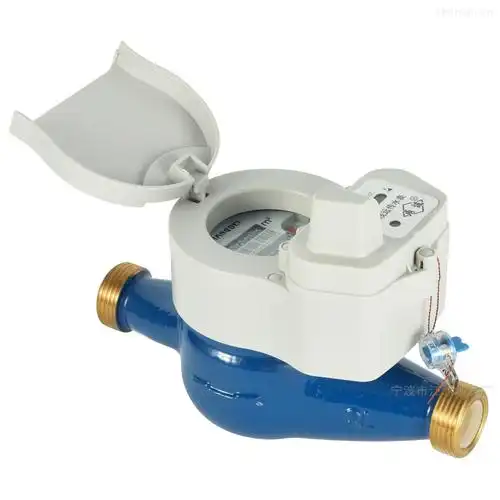
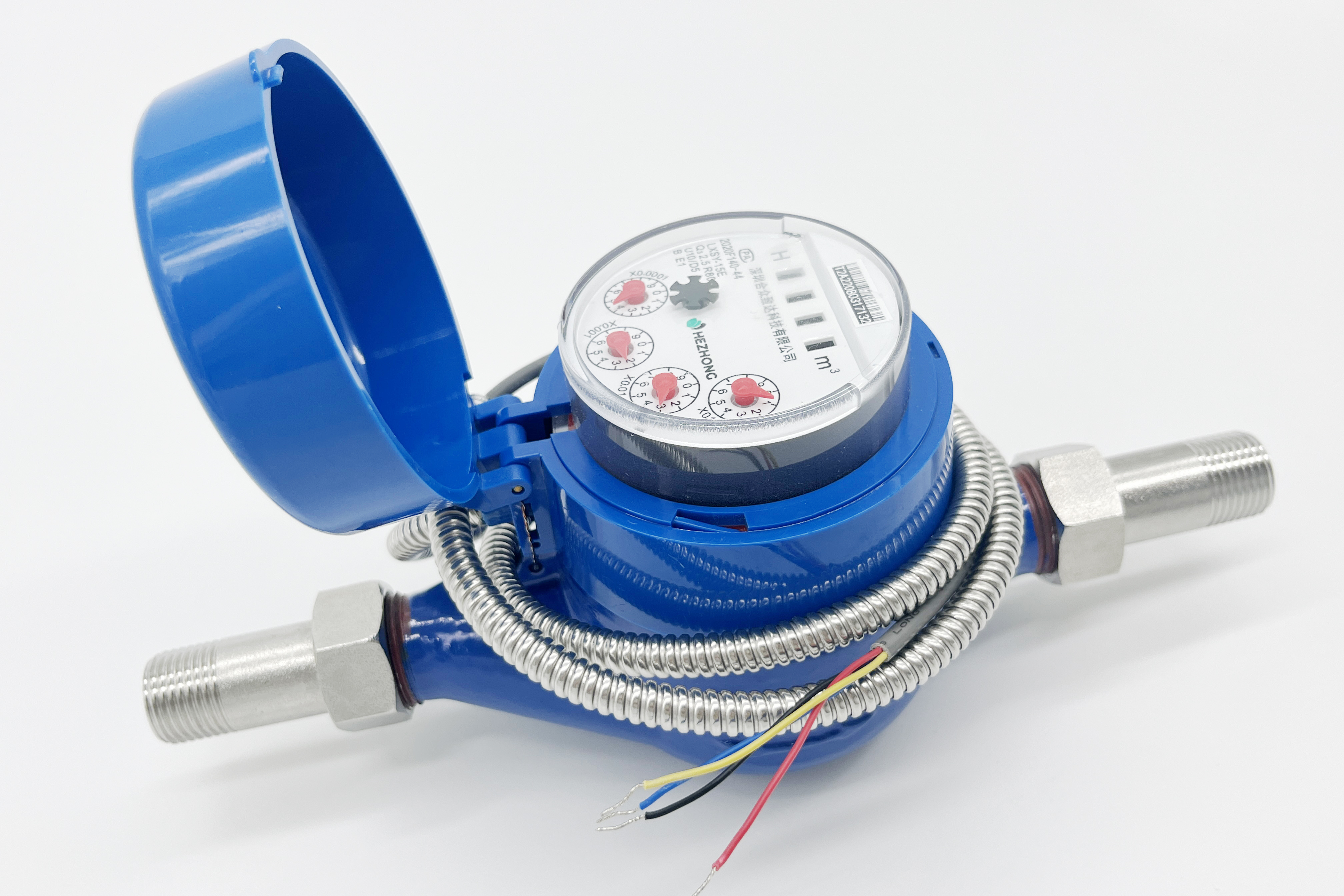


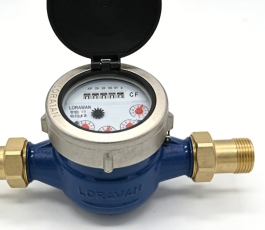
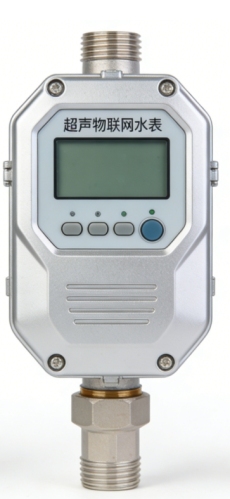
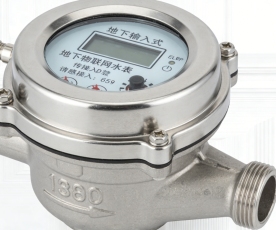
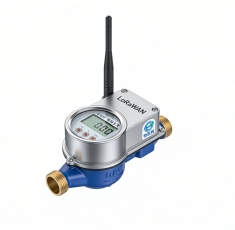

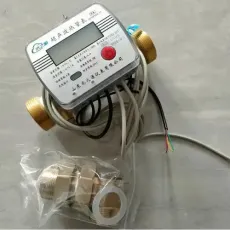
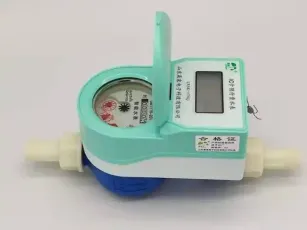
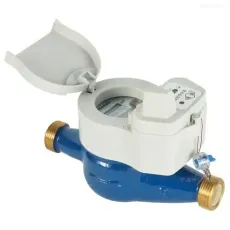
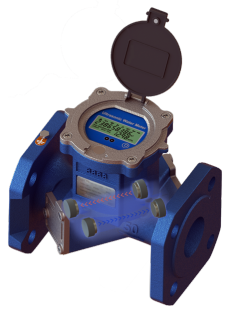
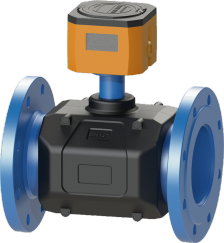
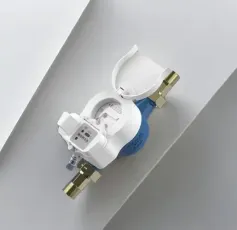
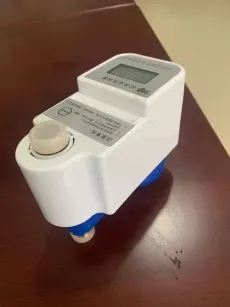
The core advantage of this IoT heat meter is its low-power long-distance communication technology, which supports data transmission up to 5km in open areas without the need for additional relay equipment. The solar panel provides supplementary power, extending the battery service life to up to 12 years, reducing the frequency of battery replacement. It supports configurable data upload intervals to adapt to different management needs, and has anti-tampering design to prevent malicious modification of metering data. It can be seamlessly connected to major domestic and foreign IoT cloud platforms, and the backlit LCD display allows users to view real-time data on-site. Its non-contact ultrasonic measurement design eliminates mechanical wear, reducing long-term maintenance costs.
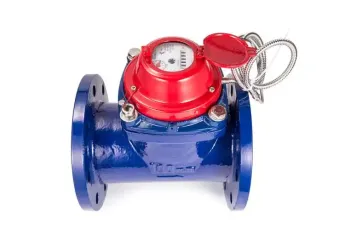
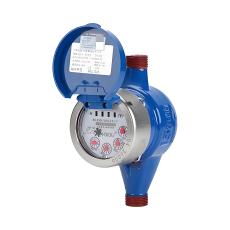
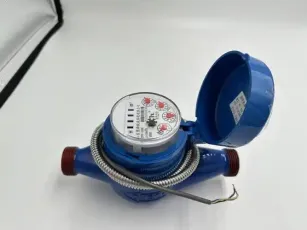
This meter has a nominal diameter range of DN15 to DN100, with dimensions of 130mm in length, 90mm in width, and 70mm in height for the DN15 model, weighing approximately 1.5kg. It operates at a maximum pressure of 1.6MPa and a working temperature range of 5℃ to 95℃. It uses a 3.6V lithium battery plus a 0.5W solar panel for power supply, meeting the low-power operation requirements of long-distance transmission. The communication frequency band supports EU868 and US915 standards, adapting to global application scenarios. The LCD display shows cumulative heat consumption, total water usage, battery power, and signal strength. It meets the GB/T 32224 Class 2 accuracy standard, and its IP68 protection rating allows for installation in outdoor and humid environments.
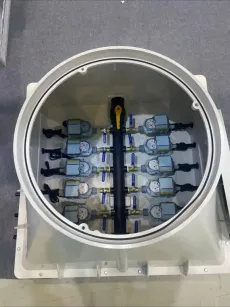
This IoT remote transmission heat quantity water meter is applicable to smart community household heat metering, smart city water and heat energy management, campus and hospital centralized heating and water fee collection, remote energy monitoring platform data collection. It is suitable for large buildings and parks that do not require on-site meter reading, helping property managers realize automated meter reading and real-time energy consumption monitoring, improving management efficiency and reducing operational costs.








 Post RFQ


 Chat
Chat


 ALL CATEGORIES