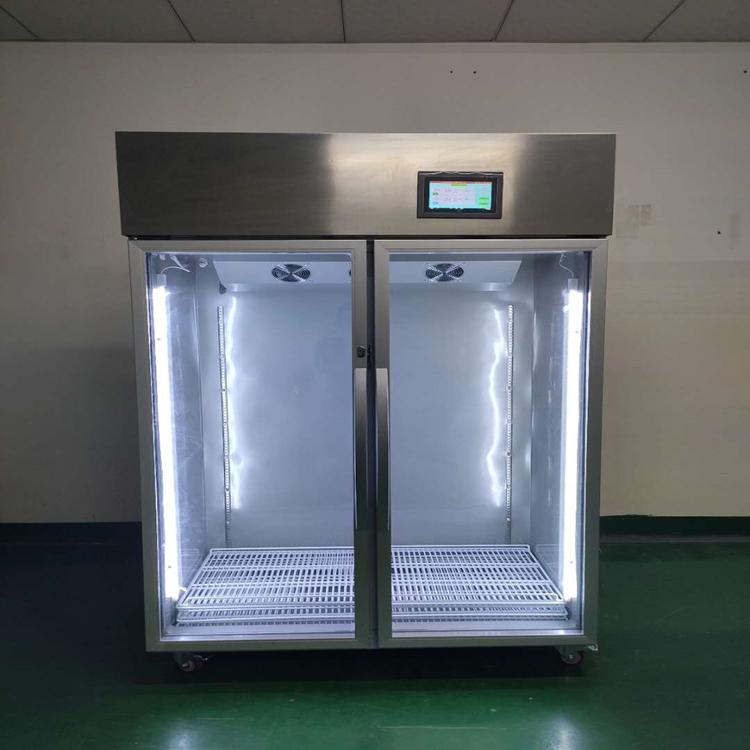
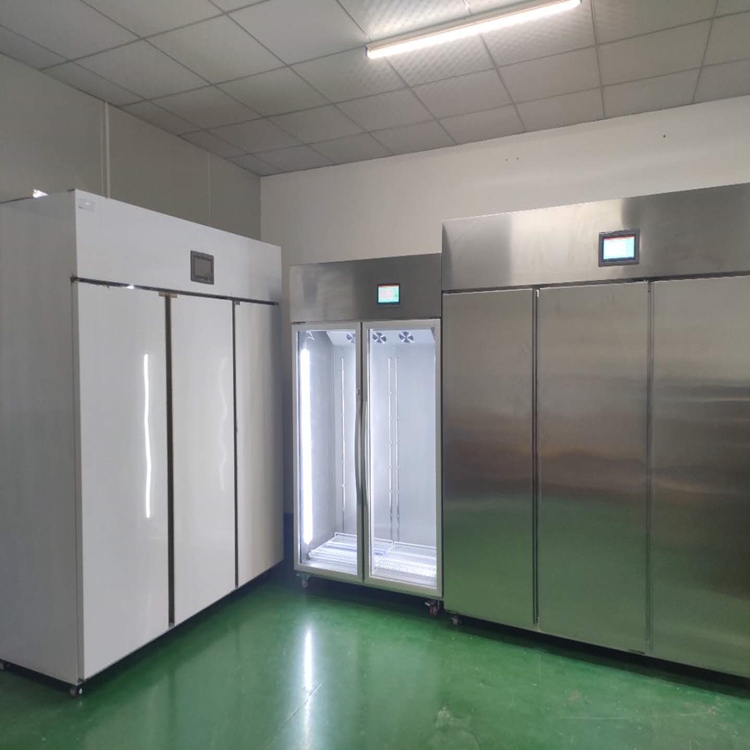


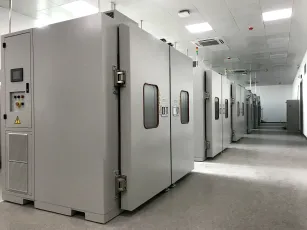
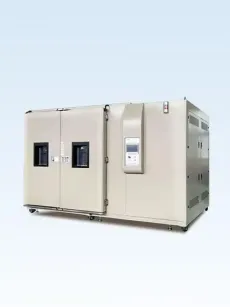
This high-temperature and humidity test chamber has multiple core advantages. First, it adopts dual-refrigeration system design using imported compressors, which ensures stable refrigeration performance and fast temperature adjustment speed, avoiding the problem of insufficient cooling capacity under high temperature and high humidity conditions. Second, the touch screen programmable controller supports multi-segment program editing, real-time data display and historical data storage, which is convenient for users to set test parameters and review test results. Third, it is equipped with multiple safety protection devices such as over-temperature alarm, power leakage protection and over-pressure protection, to ensure the safety of equipment and samples during testing. In addition, the inner container uses food-grade SUS304 stainless steel, which is corrosion-resistant and easy to clean, and the outer plate is sprayed with plastic to prevent rust and improve the service life of the equipment. It also supports remote monitoring function, allowing users to view test status and adjust parameters through mobile terminals, solving the pain points of traditional testing equipment that cannot be monitored in real time.
The main technical parameters of this high-temperature and humidity alternating test chamber are as follows: working chamber size is 500mm (length) × 600mm (width) × 750mm (height), total volume is about 225L; temperature range is -40℃~150℃, temperature rise rate is 1~3℃/min, temperature drop rate is 1~2℃/min; humidity range is 20%RH~98%RH, humidity control accuracy is ±2%RH, temperature control accuracy is ±0.5℃; power supply is AC220V 50/60Hz, rated power is 3KW; the equipment uses axial fan forced circulation system to ensure uniform temperature and humidity in the working chamber. The weight of the whole machine is about 180kg, and the external dimensions are 1200mm × 1000mm × 1800mm. It complies with multiple international testing specifications, including IEC 60068-2-1, GB/T 2423.1 and other environmental testing standards.
This testing equipment is suitable for a wide range of industries and scenarios. In the electronics industry, it is used to test the reliability of mobile phones, computers, circuit boards and other electronic products under extreme temperature and humidity environments; in the automotive industry, it is used to test the performance of automotive parts, coatings, seals and other samples; in the aerospace field, it is used to test the stability of aviation materials and components during long-term storage and transportation. It can also be used in universities, research institutes and material testing institutions for basic material performance testing and teaching demonstration. Typical use scenarios include new product development verification, batch product quality inspection, material aging resistance testing and other links, helping enterprises to comprehensively evaluate the environmental adaptability of their products.







 Post RFQ


 Chat
Chat


 ALL CATEGORIES