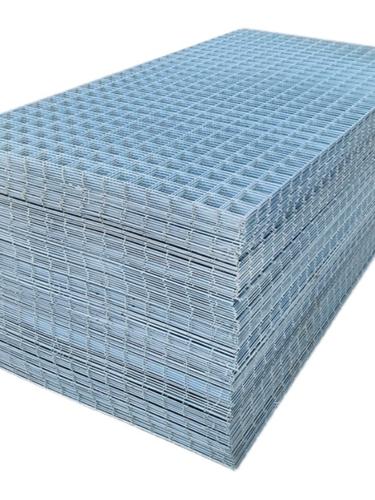
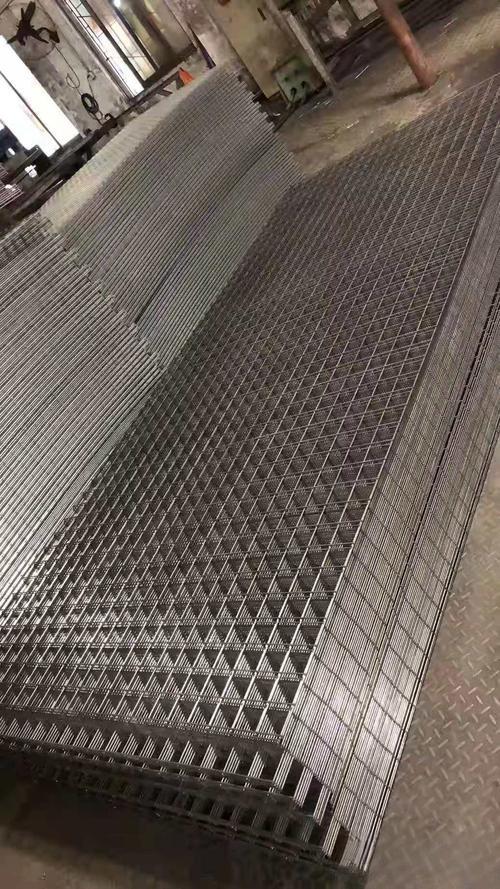


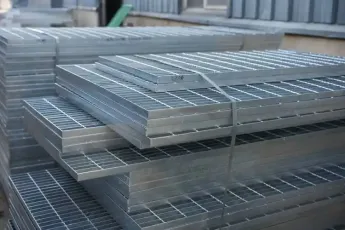
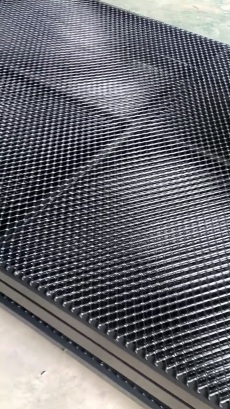
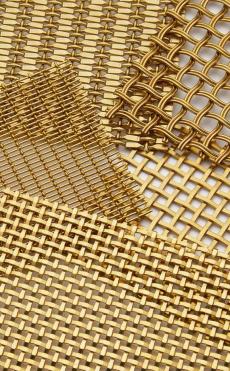
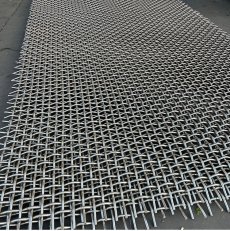
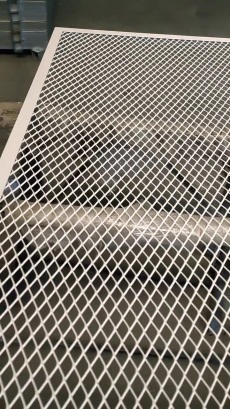
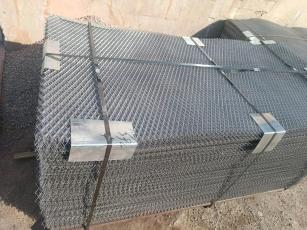
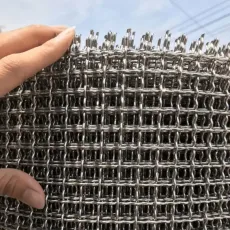
This crimped wire mesh is made from Q235 low carbon steel wire, which undergoes hot-dip galvanization treatment to create a thick, uniform zinc coating that provides superior corrosion resistance, passing the 1000-hour neutral salt spray test without rusting. The standard crimped weaving method ensures that each wire is securely locked in place, maintaining consistent mesh opening sizes even when subjected to animal impact or weather conditions. Its high tensile strength of ≥375MPa ensures the mesh does not tear or stretch under pressure, preventing animal escapes. The rolled smooth edges eliminate sharp burrs, reducing the risk of cuts or injuries to livestock and workers during installation. Unlike vinyl-coated meshes, this galvanized steel mesh is resistant to UV radiation and extreme temperatures, ensuring it does not crack or fade over time. It effectively solves issues of rust damage, animal escape, and high replacement costs that plague uncoated steel meshes.
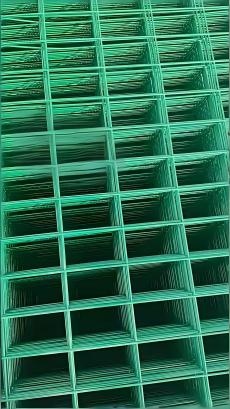
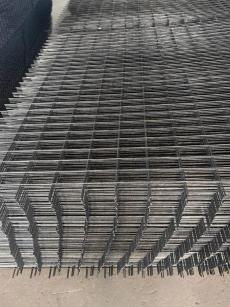
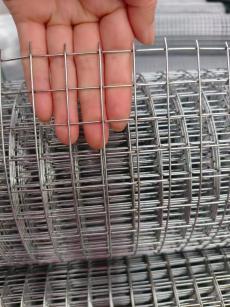
Crafted from Q235 low carbon steel wire with a diameter of 1.2mm, this crimped wire mesh features uniform 5mm×5mm square mesh openings that prevent small animals like chickens, rabbits, and puppies from escaping and keep predators like foxes and coyotes out. The mesh has a standard width of 1.8 meters and a length of 50 meters per roll, making it suitable for large-scale fencing projects. It boasts a minimum tensile strength of 375MPa, providing excellent resistance to tearing and stretching. The hot-dip galvanization treatment creates a zinc coating thickness of 80-100μm, ensuring superior corrosion resistance against rain, snow, and humidity. The mesh weighs 22kg per roll, making it easy to handle and install without specialized equipment. It is compatible with common fencing hardware like posts, clips, and tensioners, enabling quick and secure installation.
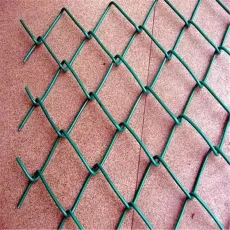
This hot-dip galvanized crimped wire mesh is widely used in livestock farming, agriculture, and residential fencing applications. In livestock farming, it is used to build chicken coops, rabbit hutches, pig pens, and sheep fencing, providing a safe and secure enclosure for animals while allowing for proper ventilation and visibility. In agriculture, it is used to protect vegetable gardens, fruit trees, and crop fields from pests like rabbits, deer, and birds, preventing crop damage and reducing losses. In residential settings, it is used for backyard fencing, pool safety barriers, and pet enclosures, providing a durable and cost-effective alternative to wooden or vinyl fencing. It is also suitable for construction sites, where it is used as a temporary safety barrier to prevent unauthorized access and protect workers from falling debris. Additionally, it can be used in landscaping projects to create retaining walls, erosion control barriers, and decorative garden borders.







 Post RFQ


 Chat
Chat


 ALL CATEGORIES