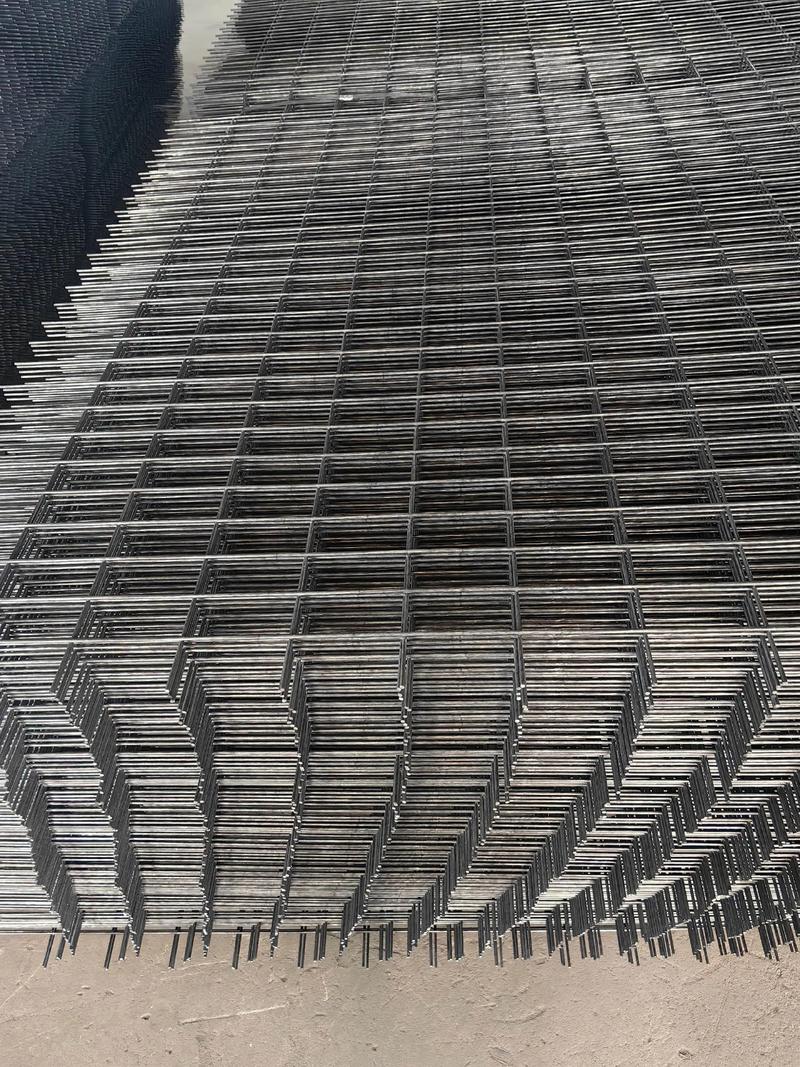
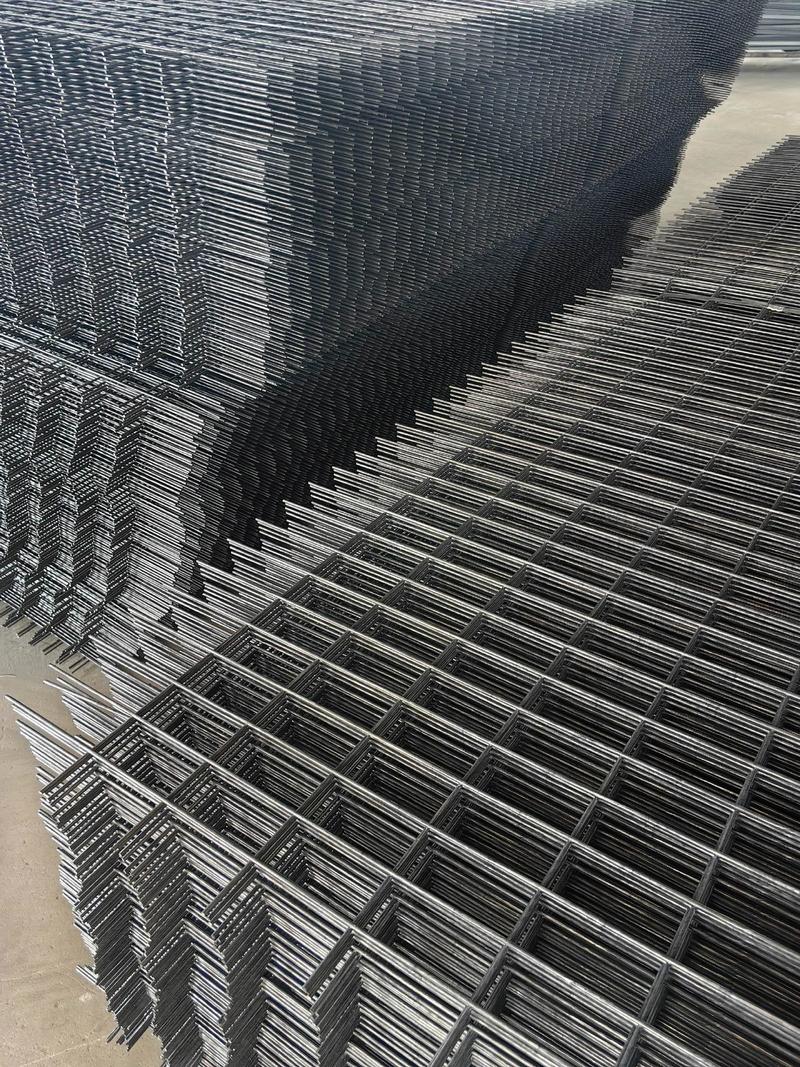


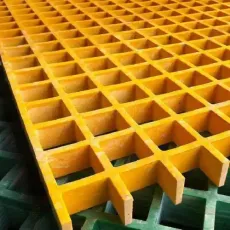
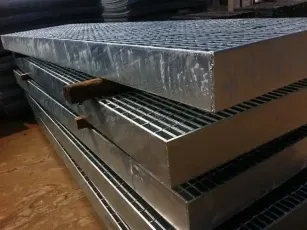
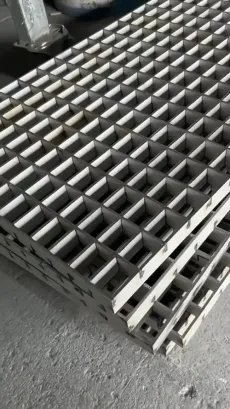
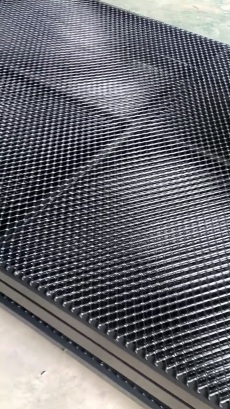
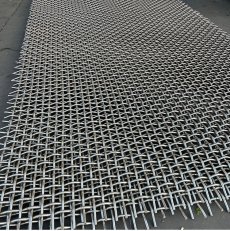
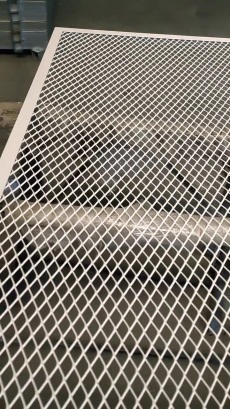
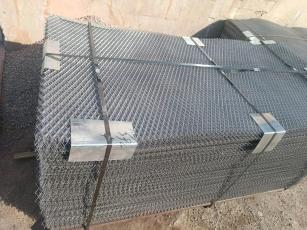
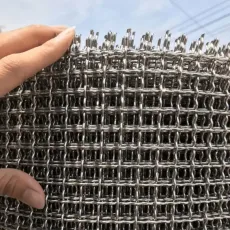
Constructed with high-quality low carbon steel wire, this mesh undergoes heavy-duty locked-edge crimping to ensure the wire intersections are tightly secured, preventing mesh deformation even under repeated impact from large, heavy materials. The hot-dipped galvanizing process applies a uniform zinc layer of at least 80μm, providing superior corrosion resistance against moisture, mud, and chemical contaminants in mining and construction sites. Its tensile strength of ≥380MPa ensures it can withstand the weight of bulk materials like iron ore, coal, and gravel without tearing. Unlike lightweight meshes, its rigid structure maintains consistent mesh openings over time, ensuring accurate material classification and reducing downtime for mesh replacement. Additionally, it is easy to install and can be cut to custom sizes to fit various screening equipment, enhancing operational flexibility for businesses.
The mesh offers wire diameters from 2mm to 8mm, with corresponding mesh opening sizes ranging from 10mm for fine gravel screening to 100mm for large ore classification. Mesh widths are customizable from 1m to 3m, and lengths per roll are available between 5m and 15m to adapt to different screening machine dimensions. Made from low carbon steel with a tensile strength of ≥380MPa, it can operate in temperatures from -30℃ to 400℃, suitable for both outdoor cold environments and high-heat material screening. The hot-dipped zinc coating adheres firmly to the wire surface, preventing peeling or flaking even under heavy abrasion. Each product is certified by ASTM and CE, confirming its compliance with international industrial safety and quality standards for heavy-duty equipment components.
In the mining industry, this mesh is used for screening iron ore, coal, and non-ferrous metals, separating materials into different particle sizes for further processing. In quarrying operations, it serves as a key component in stone crushing and grading lines, classifying granite, marble, and limestone into various specifications. For river dredging projects, it is utilized to separate sand, gravel, and silt, ensuring the quality of construction aggregates. In municipal waste management, it helps sort construction waste such as concrete blocks and bricks from recyclable materials, improving waste disposal efficiency. Additionally, it can be used as a protective fence in port areas, preventing bulk cargo from falling off during loading and unloading, and in construction sites for debris containment, providing versatile solutions across multiple heavy-duty industrial sectors.







 Post RFQ


 Chat
Chat


 ALL CATEGORIES