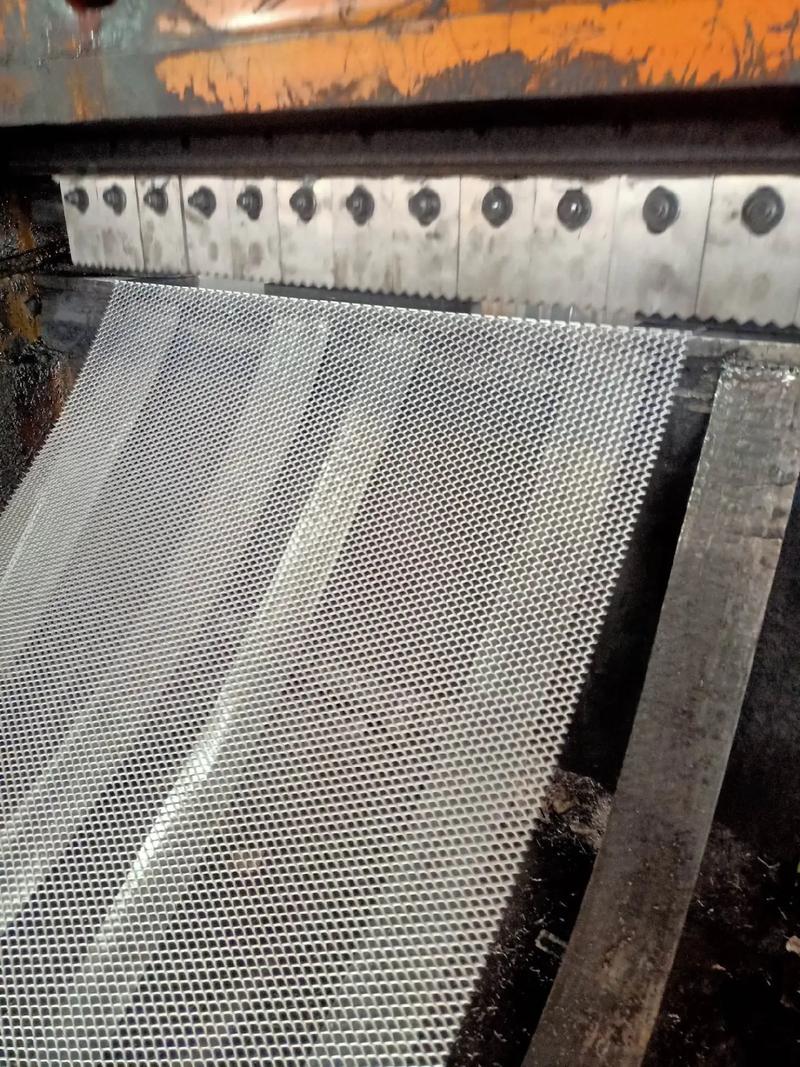
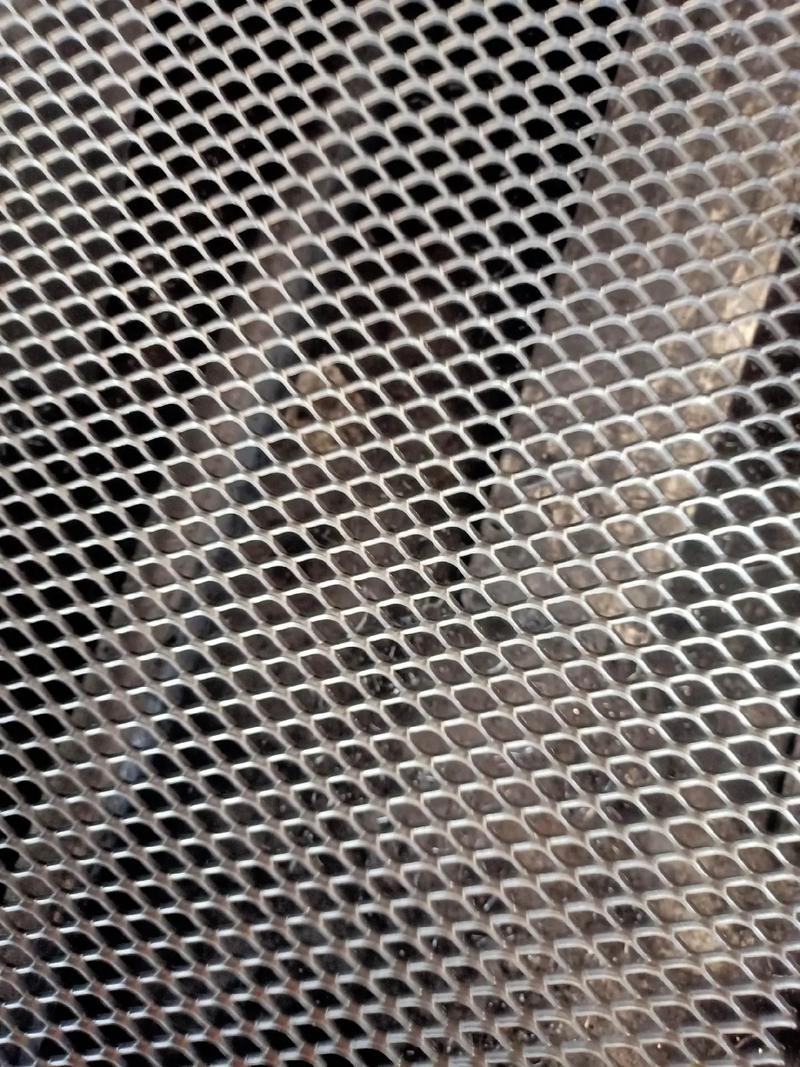


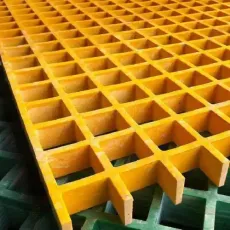
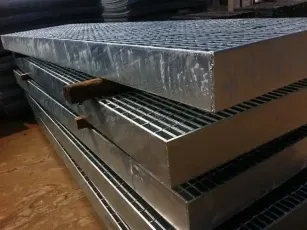
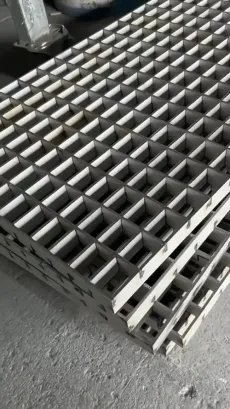
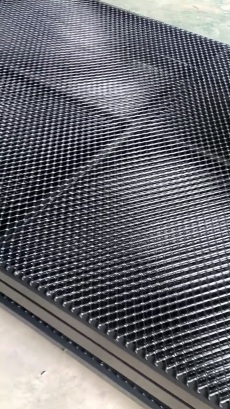
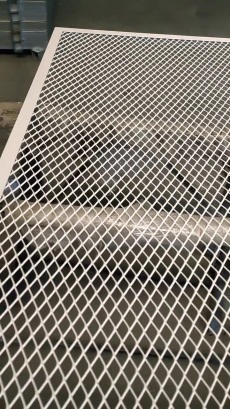
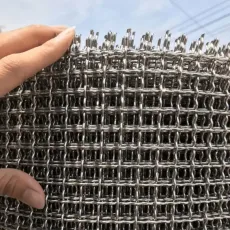
This crimped wire mesh is made from 6061-T6 aluminum alloy, which offers high tensile strength and excellent corrosion resistance while being 70% lighter than steel, reducing structural load and installation costs. The decorative crimped weaving method creates a unique, textured appearance that adds visual interest to building facades and interior spaces, unlike flat woven meshes that have a uniform, plain look. The fluorocarbon coating provides superior UV resistance and color retention, ensuring it does not fade or peel even after prolonged exposure to sunlight and harsh weather conditions. The aluminum alloy edge binding reinforces the mesh edges, preventing fraying and enhancing durability. Unlike steel meshes, this aluminum alloy mesh does not require painting or rust protection, reducing maintenance costs. It effectively solves issues of heavy weight, limited design options, and high maintenance costs that plague traditional building materials.
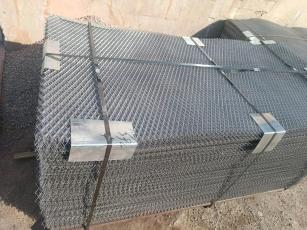
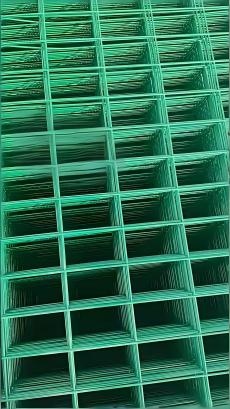
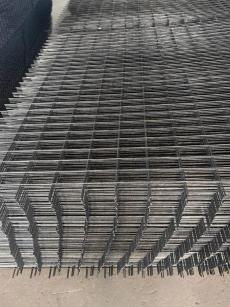
Crafted from 6061-T6 aluminum alloy wire with a diameter of 1.0mm, this crimped wire mesh features uniform 15mm×15mm square mesh openings that create a balanced, modern aesthetic while allowing for proper ventilation and light transmission. The mesh has a standard width of 2.0 meters and a length of 25 meters per roll, making it suitable for large-scale architectural projects. It boasts a minimum tensile strength of 310MPa, providing excellent resistance to wind loads and structural deformation. The fluorocarbon coating has a thickness of 25-30μm, ensuring superior weather resistance and color retention. The mesh weighs only 8kg per roll, making it easy to handle and install without specialized equipment. It is compatible with common architectural mounting systems like brackets, rails, and clips, enabling secure and precise installation. It is available in a range of colors including gray, black, silver, and bronze to suit different design styles.
This architectural aluminum alloy crimped wire mesh is widely used in commercial and residential building projects. In exterior design, it is used as facade cladding for office buildings, shopping malls, and hotels, providing a modern, textured appearance while offering sun shading and ventilation. It can also be used as a sun shading system for windows and balconies, reducing heat gain and energy costs by 30% compared to traditional window treatments. In interior design, it is used as wall partitions, ceiling decorations, and room dividers, creating open, airy spaces while maintaining privacy. It is also suitable for retail store displays, restaurant interiors, and museum exhibits, adding a contemporary touch to any space. Additionally, it can be used in landscape design as decorative fencing, outdoor screen walls, and pergola covers, enhancing the aesthetic appeal of outdoor spaces. Its lightweight construction makes it suitable for installation on high-rise buildings and structures with limited load capacity.







 Post RFQ


 Chat
Chat


 ALL CATEGORIES