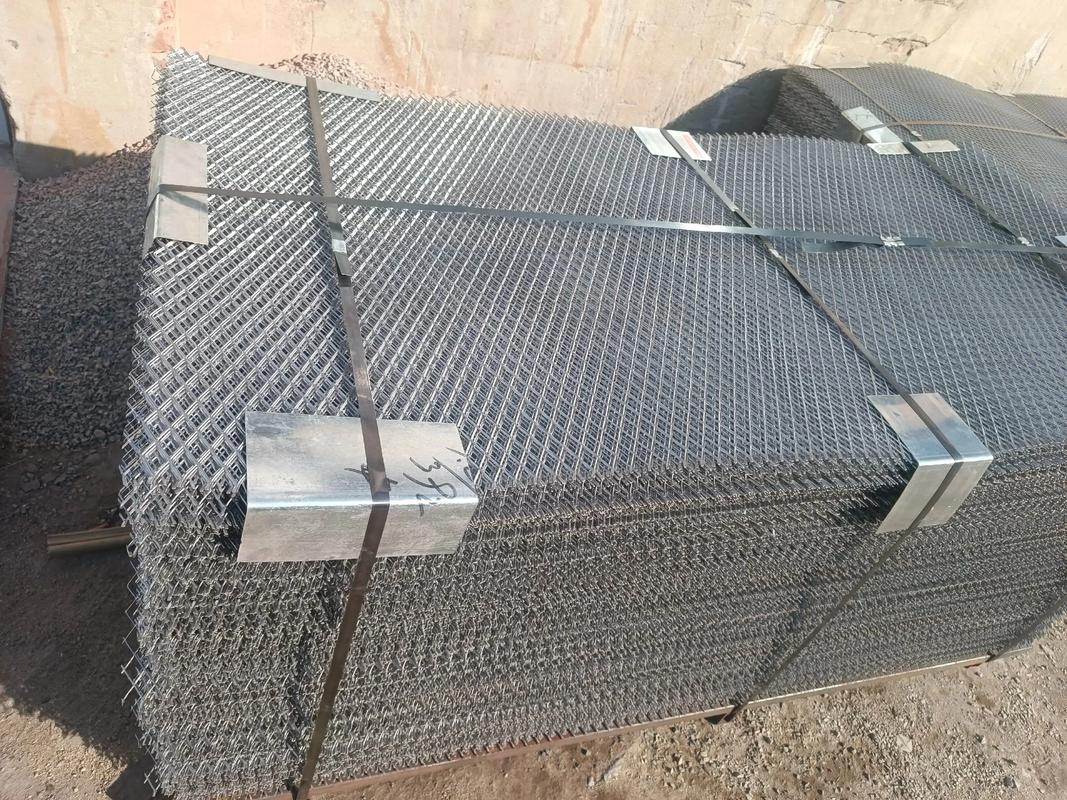
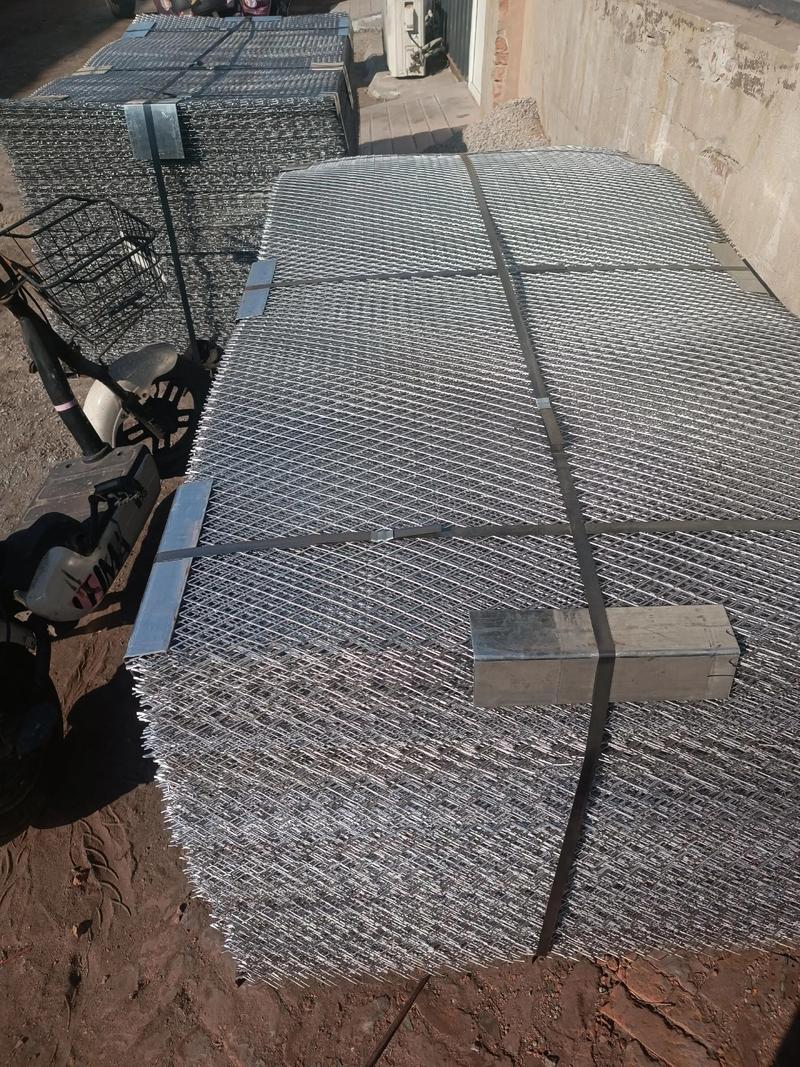


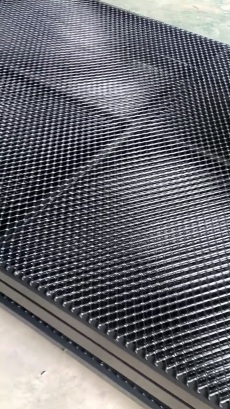
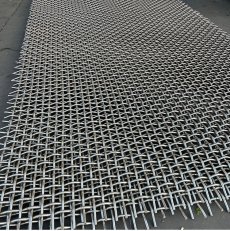
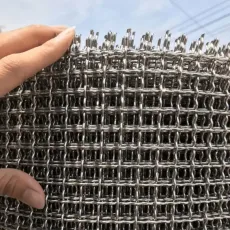
Constructed with Mn13 high manganese steel wire containing 13% manganese, this mesh utilizes impact-hardening technology: when impacted by hard materials, its surface hardness increases from HRC20 to HRC45-50, providing exceptional wear resistance that improves with use. The wear-resistant reinforced crimping method ensures tight wire intersections, preventing mesh deformation or wire loosening even under repeated impacts from granite, marble, or slag. With a tensile strength of ≥860MPa, it can withstand the weight of bulk heavy materials without tearing or breaking. Unlike ordinary wear-resistant meshes, its high manganese steel composition allows it to maintain toughness while achieving high surface hardness, preventing brittle fracture in harsh conditions. Additionally, it is resistant to high temperatures up to 500℃, making it suitable for screening hot smelting slag and other high-temperature materials.
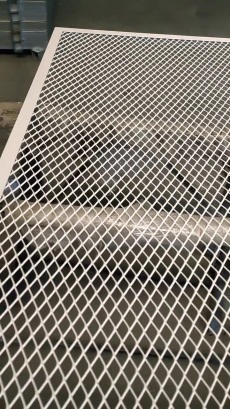
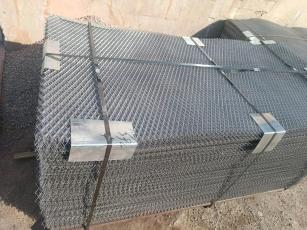
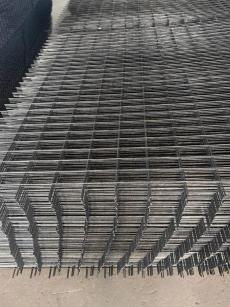
The mesh features wire diameters from 3mm to 10mm, with mesh opening sizes ranging from 15mm for fine stone screening to 120mm for large construction waste classification. Mesh widths are available from 1.2m to 3.5m, and lengths per roll are customizable between 3m and 10m to fit large-scale screening equipment. Made with Mn13 high manganese steel (13% manganese content), it has a tensile strength of ≥860MPa and a Charpy impact value of ≥200J, ensuring excellent toughness and impact resistance. The quenching and tempering heat treatment enhances its overall strength and wear resistance, allowing it to operate in temperatures from -20℃ to 500℃ without losing performance. Each product is certified by GB/T 1348-2009 and ISO9001, confirming its compliance with national and international quality standards for wear-resistant materials.
In quarry operations, this mesh is used for screening granite, marble, and limestone, separating materials into different particle sizes for construction and industrial use. For metal smelting plants, it serves as a key component in slag screening, separating molten slag from reusable metal materials and improving resource recovery efficiency. In construction waste treatment facilities, it sorts concrete blocks, bricks, and other hard debris into different sizes for recycling or disposal, enhancing waste processing efficiency. In heavy mining operations, it is utilized for screening hard ores such as iron ore and copper ore after crushing, ensuring accurate material classification for further processing. Additionally, it can be used in cement plants for clinker screening, improving product quality and reducing equipment wear, providing a reliable solution for all high-abrasion material handling scenarios.







 Post RFQ


 Chat
Chat


 ALL CATEGORIES