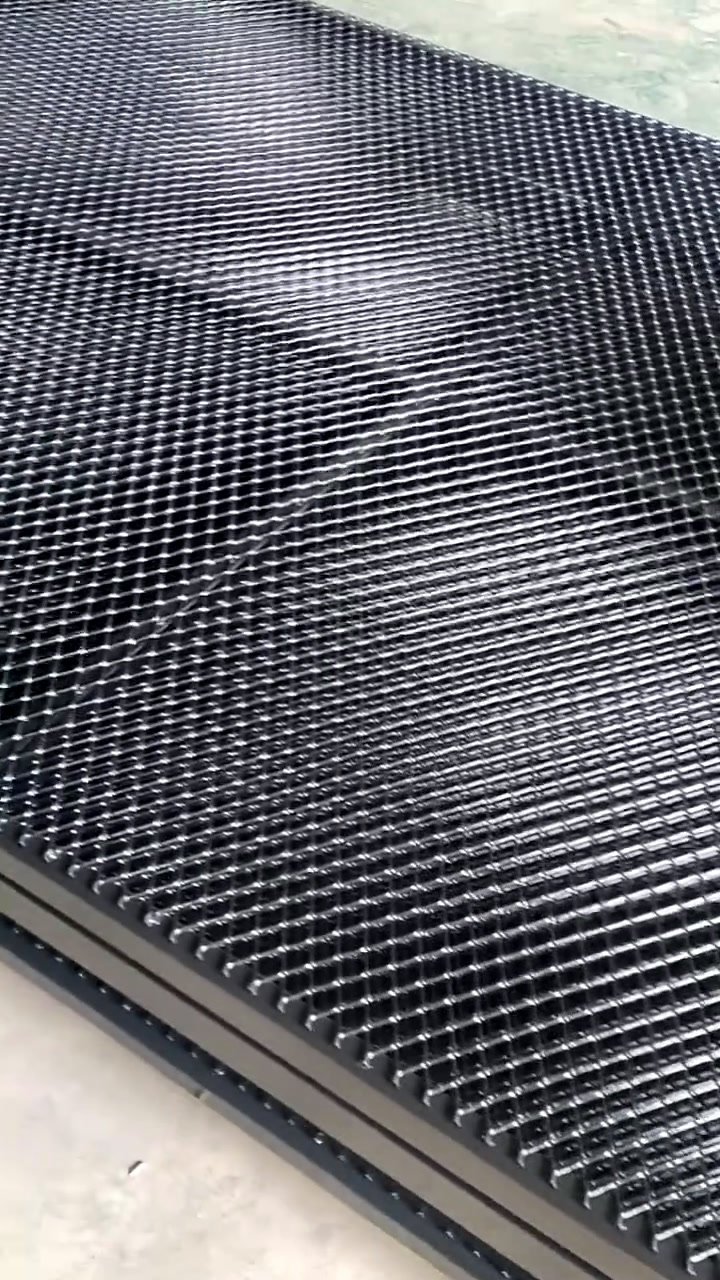
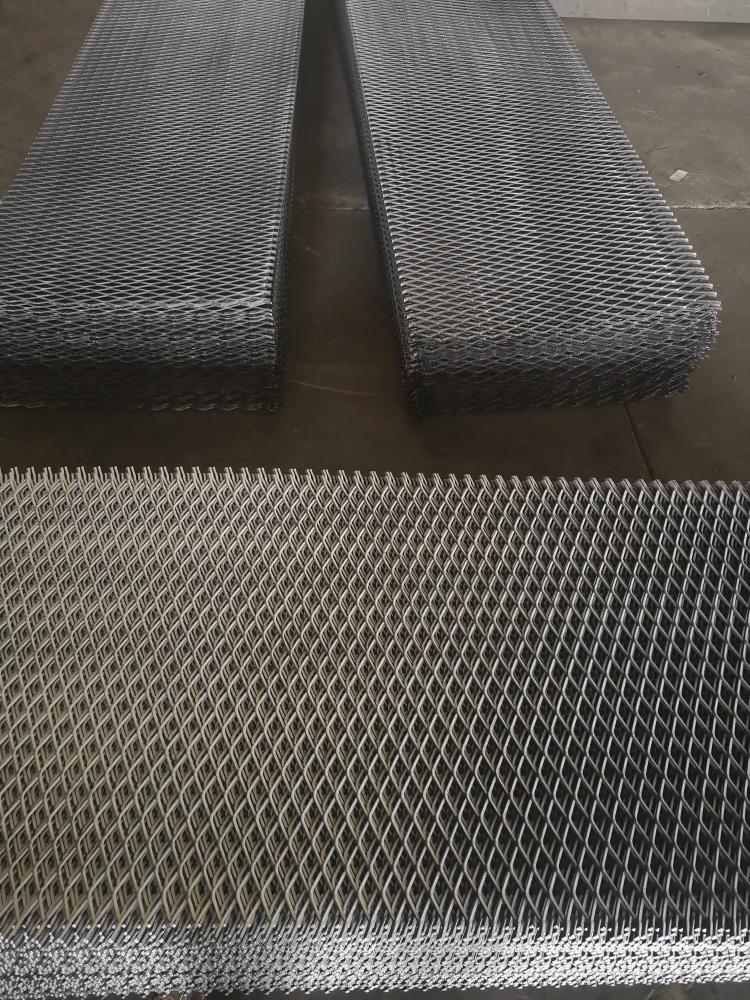


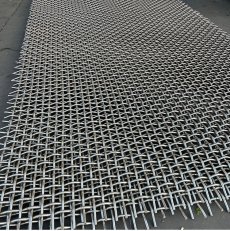
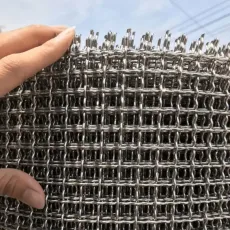
Using high-strength crimping technology, each wire intersection is tightly locked, forming a stable structure that resists deformation even under the impact of large, hard stones. The high-carbon steel wire undergoes quenching treatment, reaching a hardness of HRC45, which effectively resists wear from abrasive materials like granite and basalt. The powder coating on the surface provides additional corrosion protection, suitable for outdoor use in rainy or dusty environments. Unlike ordinary heavy-duty mesh, it has higher tensile strength (≥800MPa), capable of withstanding static loads up to 2000kg per square meter. It addresses core pain points of quarry screening, such as frequent mesh replacement due to wear, high maintenance costs, and reduced production efficiency caused by mesh breakage.
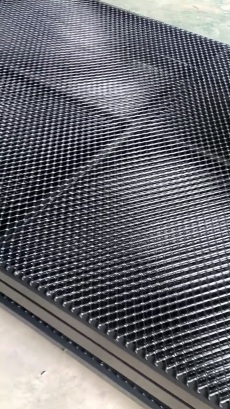
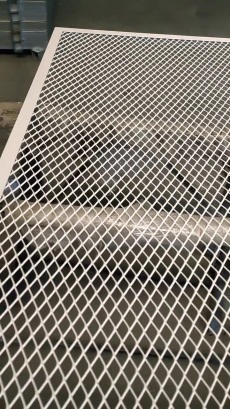
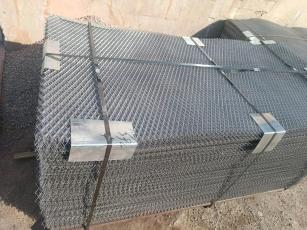
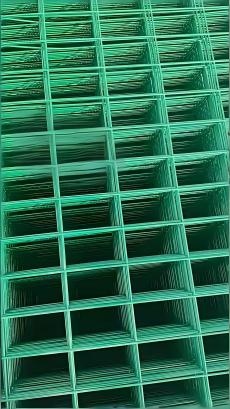
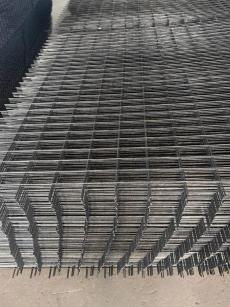
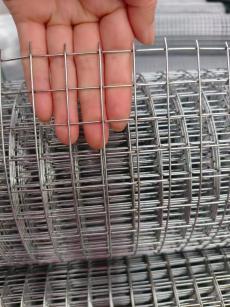
Constructed with 8.0mm diameter high-carbon steel wire, this mesh features a 100×100mm mesh opening, ideal for screening large stones and construction waste into different sizes. The standard mesh width is 2200mm and length is 8000mm, providing wide coverage for large-scale crushing and screening equipment. After quenching treatment, its hardness reaches HRC45, which is 2 times higher than ordinary carbon steel mesh, significantly improving wear resistance. It has a tensile strength of ≥800MPa, ensuring no breakage under extreme impact. The powder coating is 0.3mm thick, preventing rust and corrosion, extending service life in harsh outdoor environments. The mesh weighs 65kg per 8m length, requiring professional equipment for installation but ensuring stable performance during heavy-duty operations.
Mainly used in quarries for screening raw stones into different sizes, matching the requirements of subsequent crushing and processing. In crushing plants, it is used for grading crushed stones, separating materials into coarse, medium, and fine sizes to meet construction material standards. It is also suitable for construction waste treatment sites, screening concrete blocks, bricks, and other debris into recyclable aggregates. In tunnel engineering, it can be used for screening excavated soil and rock, separating usable materials from waste. Additionally, it is used in mining waste treatment, tailings screening, and metal ore classification. Its exceptional wear resistance makes it ideal for environments with high material hardness and large throughput, reducing operational costs and improving production efficiency for industrial operators.







 Post RFQ


 Chat
Chat


 ALL CATEGORIES