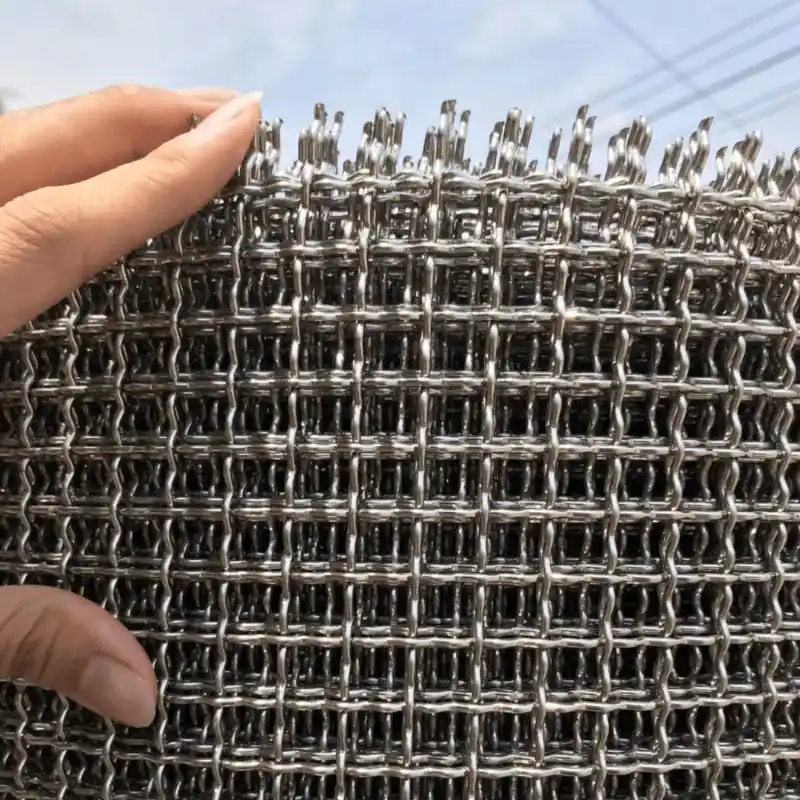
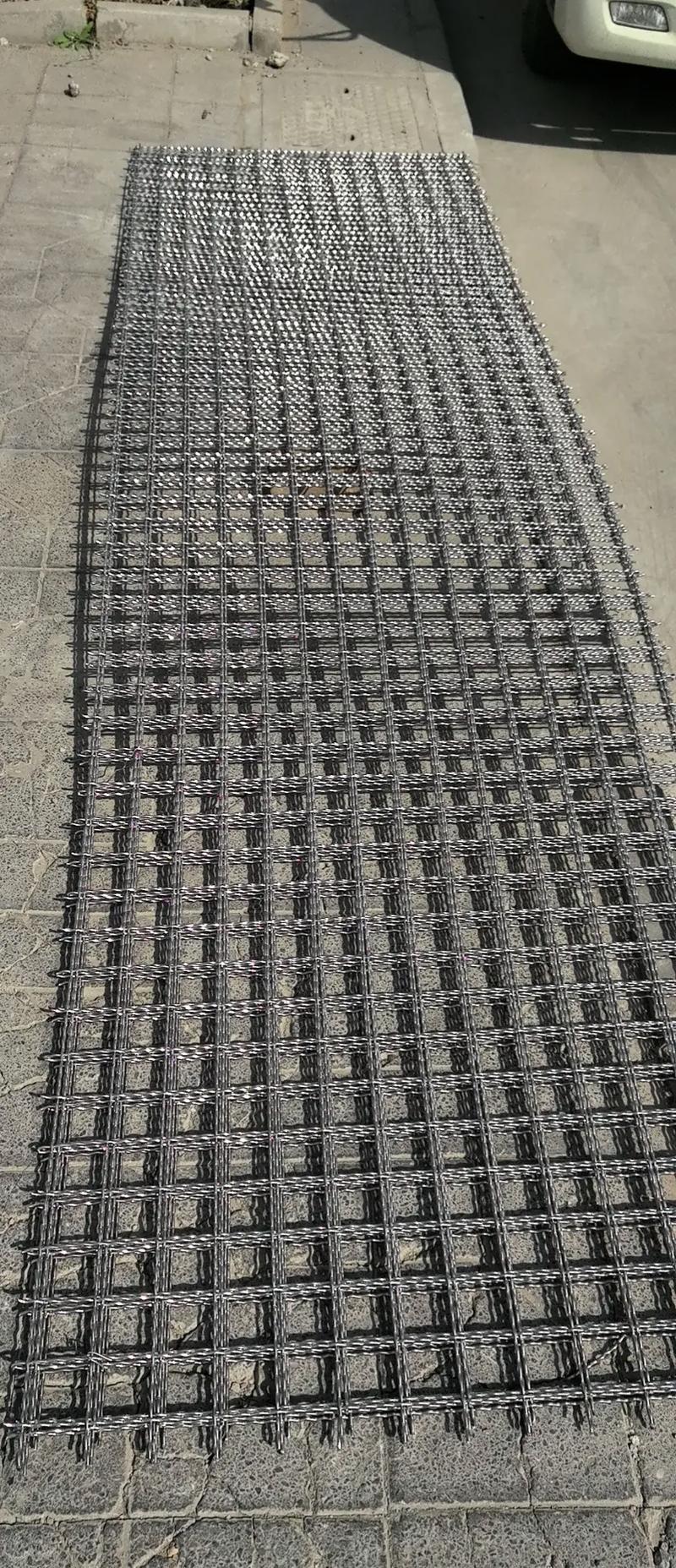


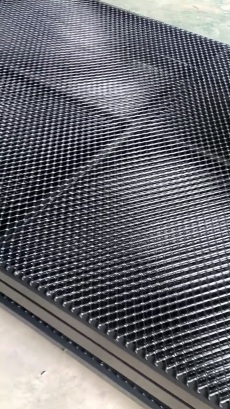
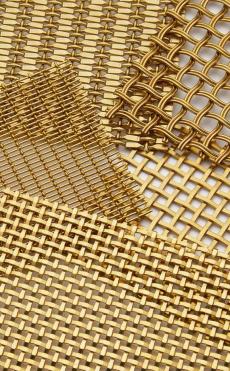
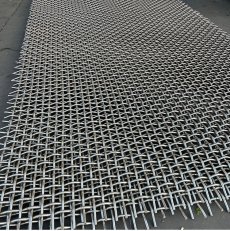
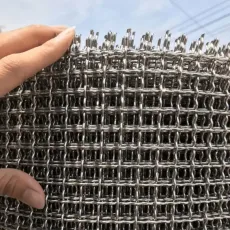
Crafted with 304 stainless steel wire (18% chromium, 8% nickel) for exceptional corrosion resistance, this mesh undergoes bidirectional precision crimping to guarantee perfectly uniform mesh openings with no burrs or irregularities. The polishing and passivation surface treatment further enhances its anti-corrosion properties, making it suitable for exposure to acidic, alkaline, and high-temperature environments. With a tensile strength of ≥520MPa, it can withstand high-pressure filtration processes without deformation. Unlike standard wire meshes, its tight dimensional tolerance ensures consistent filtration accuracy, reducing product waste in precision manufacturing. Additionally, it complies with food-grade and industrial safety standards, making it a versatile solution for both hygienic and heavy-duty industrial applications. Its long service life (up to 5 times longer than carbon steel meshes) significantly lowers replacement and operational costs for businesses.
The mesh offers customizable wire diameters ranging from 0.1mm for ultra-precision filtration to 1.2mm for heavier screening tasks, with corresponding mesh opening sizes from 0.05mm to 5mm to match different particle separation requirements. Mesh widths are available from 0.5m to 2m, and lengths per roll can be customized between 10m and 30m to fit different equipment dimensions. Made from 304 stainless steel with a minimum tensile strength of 520MPa, it maintains structural integrity under temperatures from -40℃ to 600℃, ensuring stable performance in both cryogenic and high-heat environments. The passivation treatment forms a protective oxide film on the surface, preventing rust and oxidation even after prolonged exposure to moisture or corrosive substances. Each roll is certified by ISO9001 and SGS, confirming its quality consistency and compliance with international industrial standards.
This precision crimped wire mesh is widely applied in the chemical industry for catalyst filtration, activated carbon recovery, and chemical liquid purification, ensuring product purity and reducing material loss. In the pharmaceutical sector, it is used for sterile filtration of liquid medicines, vaccine production processes, and raw material powder sorting, meeting GMP (Good Manufacturing Practices) requirements. For food processing, it serves as a critical component in flour, sugar, and spice screening, removing impurities to ensure food safety. In the electronics industry, it is utilized for precision component sorting, dust filtration in clean rooms, and circuit board manufacturing processes. Additionally, it is suitable for environmental protection applications such as wastewater treatment sludge dewatering and air filtration in industrial exhaust systems, providing reliable performance across diverse high-demand scenarios.







 Post RFQ


 Chat
Chat


 ALL CATEGORIES