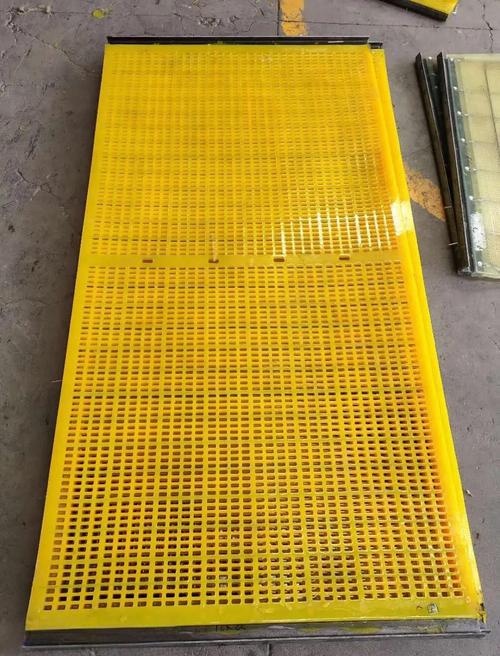


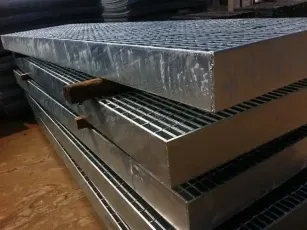
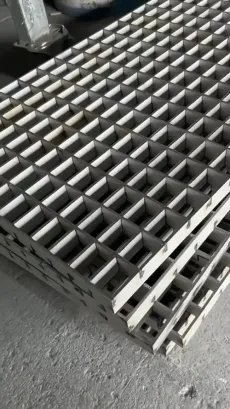
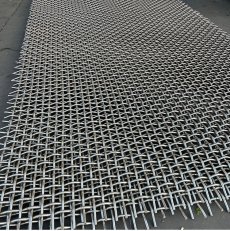
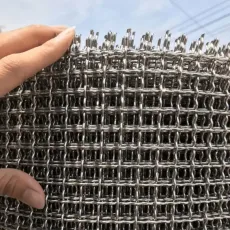
Adopting precision crimping technology, this mesh maintains consistent mesh opening size (±0.5mm), ensuring accurate material classification and reducing product waste. The 316L stainless steel material is corrosion-resistant and meets FDA food safety requirements, suitable for contact with acidic, alkaline, or oily food materials. The polyurethane coating on the surface and edges provides a smooth, non-stick surface that prevents material adhesion and simplifies cleaning, complying with HACCP hygiene standards. It also has good impact resistance, reducing damage caused by material impact during high-speed screening. Unlike ordinary food-grade mesh, the polyurethane coating enhances wear resistance by 30%, extending service life. It addresses pain points of food processing screening, such as material contamination, poor cleaning, and low screening precision.
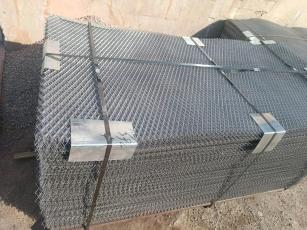
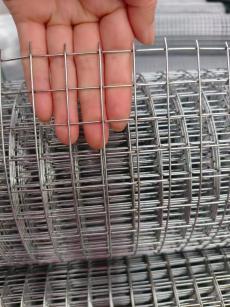
Made with 2.0mm diameter 316L stainless steel wire, this mesh has a 15×15mm mesh opening with a screening precision of ±0.5mm, ensuring accurate sorting of food particles. The standard mesh width is 1200mm and length is 6000mm, matching the size of most food processing screening equipment. It has a temperature resistance range of -20℃ to 150℃, suitable for both cold storage and high-temperature food processing environments. The polyurethane coating is 0.2mm thick, non-toxic and odorless, meeting FDA 21 CFR 177.1680 standards. The mesh has a tensile strength of ≥400MPa, capable of withstanding high-speed material impact during continuous operation. Its polished edges prevent scratching of equipment and ensure operator safety during installation and maintenance.
Widely used in food processing industries for screening flour aggregates, sorting nuts by size, and classifying candies by shape. In the pharmaceutical industry, it is used for screening raw materials, such as herbal powders and pharmaceutical granules, ensuring product uniformity. It is also suitable for fruit and vegetable processing, sorting frozen fruits or vegetables by size. In breweries, it can be used for filtering malt grains and hop residues. Additionally, it can be used in pet food production, screening different sizes of pet food pellets. Its food-grade certification and easy-to-clean surface make it ideal for environments requiring strict hygiene control, such as dairy processing plants and baby food manufacturers. The polyurethane coating also makes it suitable for use in equipment with high material flow rates, reducing wear and maintenance costs.


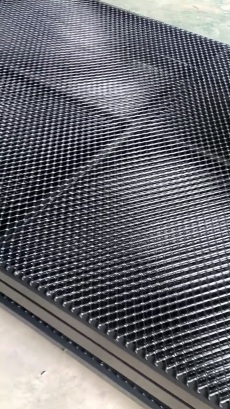





 Post RFQ


 Chat
Chat


 ALL CATEGORIES