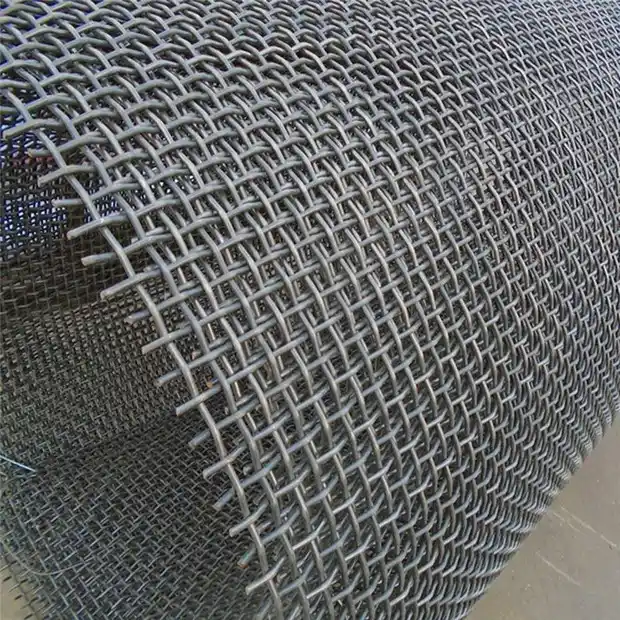
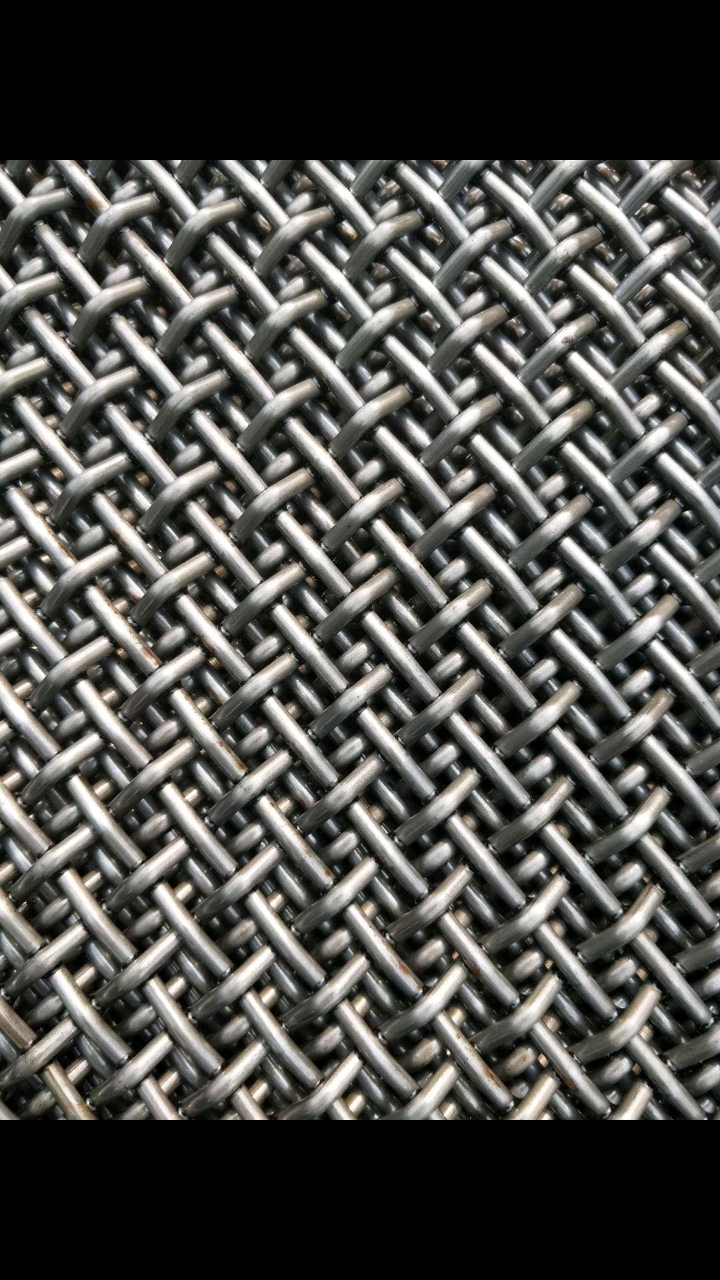


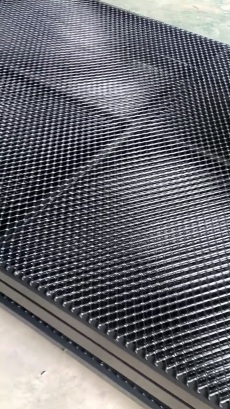
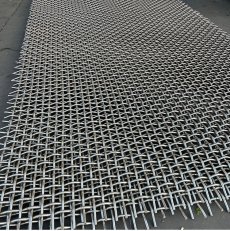
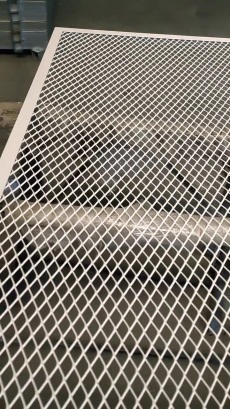
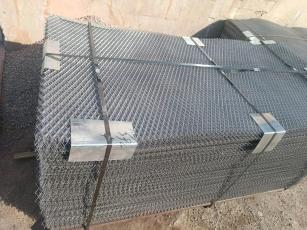
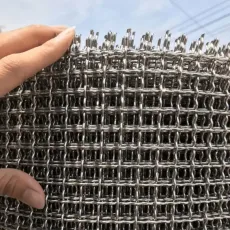
This crimped wire mesh is made from 65Mn manganese steel, which undergoes quenching and tempering treatment to achieve a hardness of HRC 42-48, providing 40% better wear resistance than ordinary carbon steel meshes. The heavy-duty crimped weaving method locks each wire in place with double crimps, preventing wire displacement or mesh deformation even when subjected to impact from large, heavy ore chunks. Its high tensile strength of ≥980MPa ensures the mesh does not tear or stretch under heavy loads, eliminating the risk of unplanned downtime. The galvanized steel edge binding reinforces the mesh edges, preventing fraying and extending service life. Unlike polyurethane screens, this steel mesh is resistant to high temperatures and chemical corrosion, making it suitable for use in hot processing environments. It effectively solves issues of rapid wear, mesh deformation, and high replacement costs that plague light-duty screens.
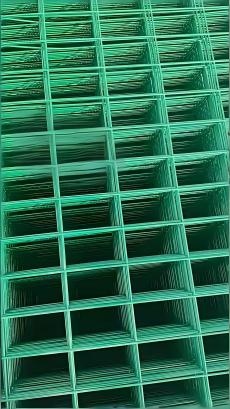
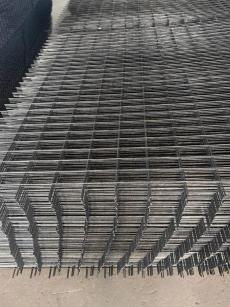
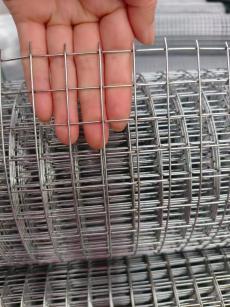
Crafted from 65Mn manganese steel wire with a diameter of 2.5mm, this crimped wire mesh features uniform 10mm×10mm square mesh openings that enable efficient sorting of ore and aggregate particles. The mesh has a width of 1.5 meters and a length of 20 meters per roll, making it compatible with most industrial vibrating screens and trommel screens. It boasts a minimum tensile strength of 980MPa and a hardness of HRC 42-48, providing exceptional resistance to abrasion and impact. The quenching and tempering treatment enhances the steel's toughness and wear resistance, ensuring it can withstand continuous use with sharp materials like granite, basalt, and iron ore. The galvanized steel edge binding adds 50mm of reinforced edge protection, preventing fraying and extending service life. The mesh weighs 45kg per roll, ensuring stability during high-vibration screening operations.
This heavy-duty manganese steel crimped wire mesh is ideal for use in mining, quarrying, construction, and recycling industries. In mining operations, it is used in vibrating screens to separate ore into different particle sizes, enabling efficient processing and mineral extraction. In quarrying, it serves as a primary screening layer for gravel and crushed stone, sorting materials into specified sizes for road construction, concrete production, and landscaping. In construction debris recycling, it is used to separate concrete chunks from wood, metal, and plastic waste, enabling the reuse of recycled concrete aggregate. It is also suitable for coal processing plants, where it sorts coal into different sizes for power generation and industrial use. Additionally, it can be used in foundries to separate sand from molten metal scraps, improving recycling efficiency. Its high wear resistance makes it suitable for continuous, 24/7 operation in high-volume production environments.







 Post RFQ


 Chat
Chat


 ALL CATEGORIES