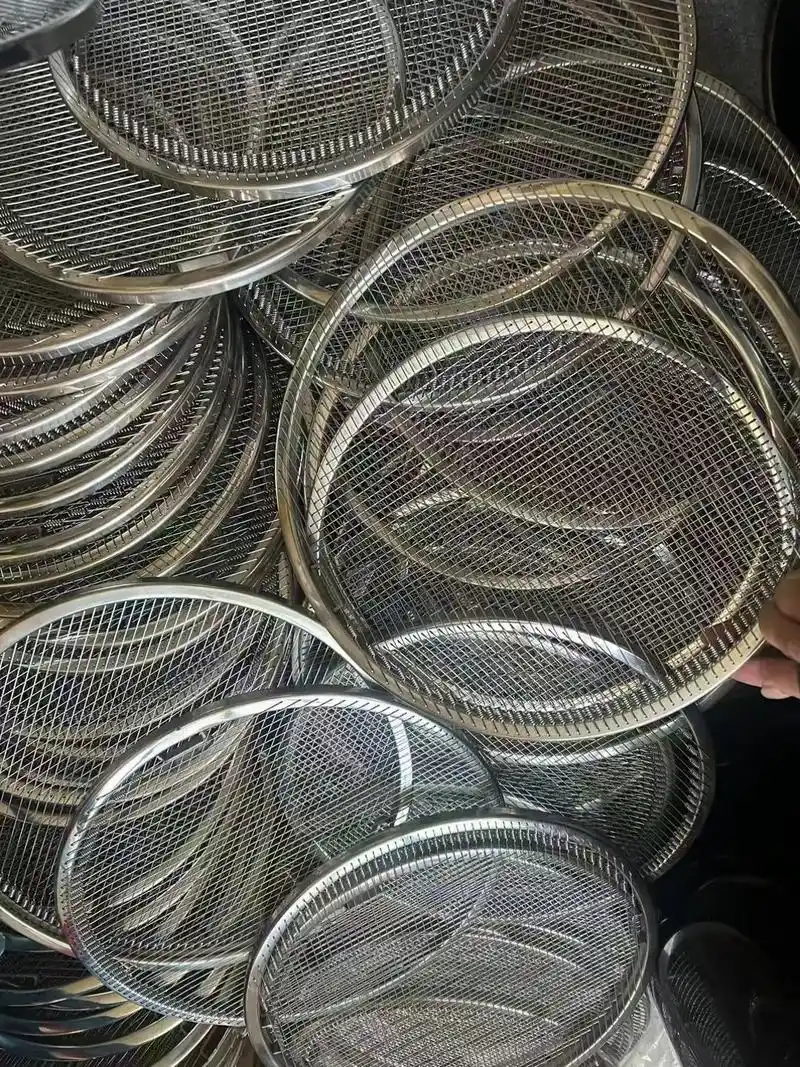
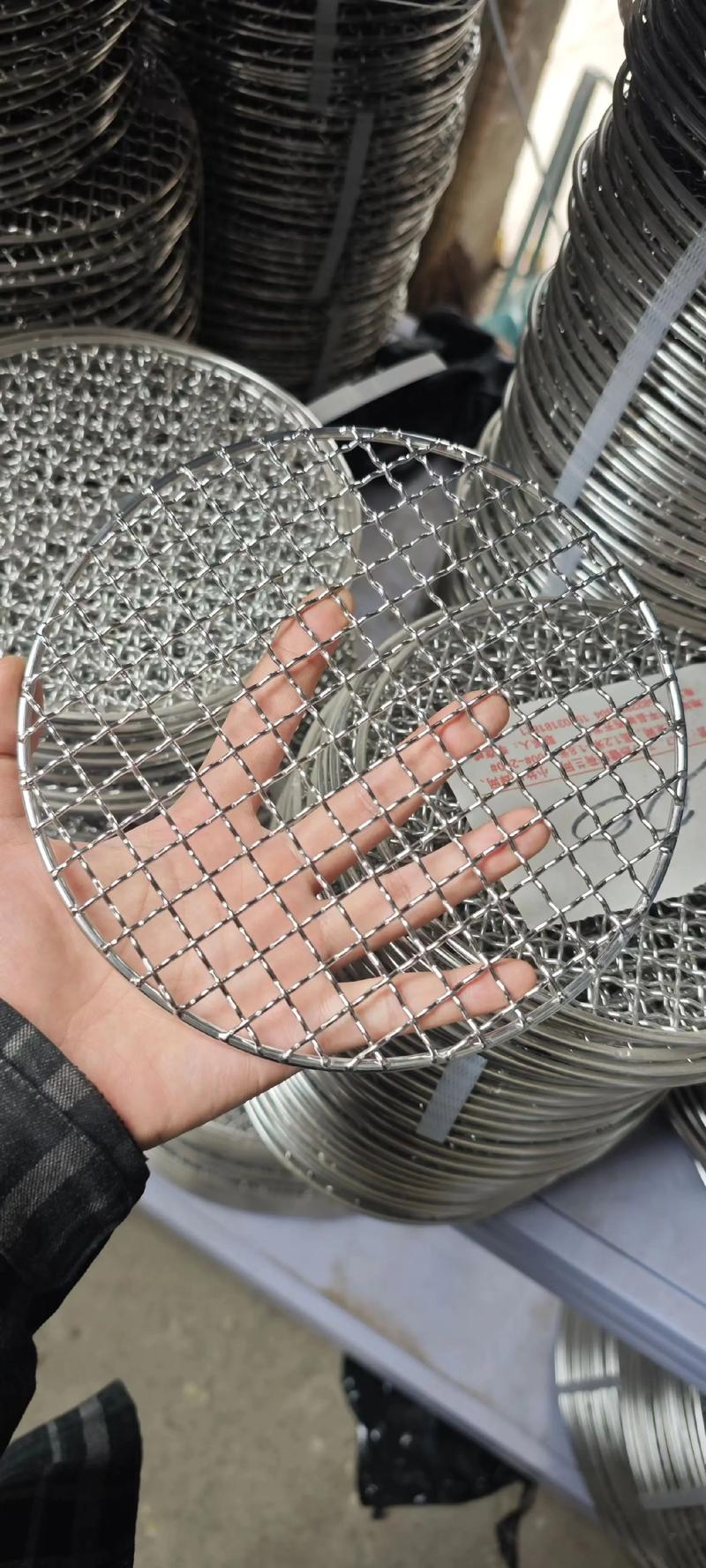


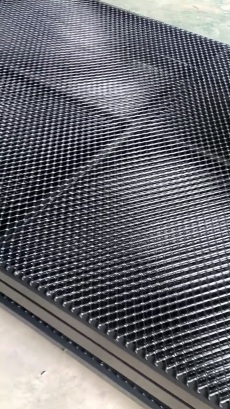
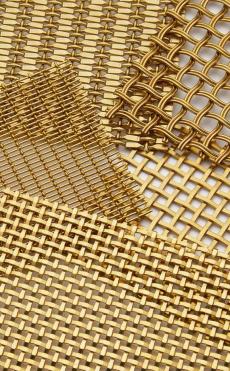
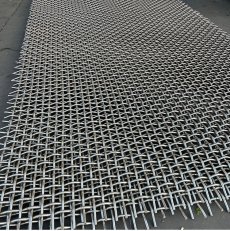
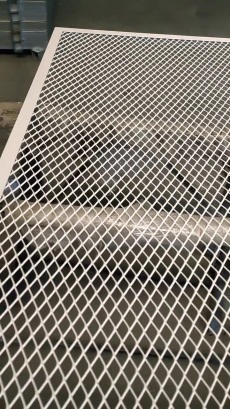
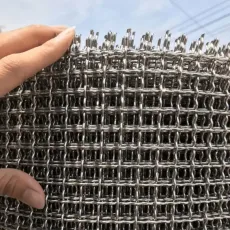
This crimped wire mesh stands out with its electrolytically polished surface, which eliminates residual contaminants and sharp edges, preventing product damage and ensuring compliance with FDA and LFGB certifications. The bidirectional crimped weaving technique ensures each wire is securely locked in place, maintaining consistent mesh opening sizes even under high pressure or repeated use—unlike traditional woven meshes that may deform or shift over time. Its 304 stainless steel construction offers superior corrosion resistance against acidic and alkaline substances commonly found in food processing, reducing maintenance costs and extending service life by 30% compared to galvanized steel alternatives. Additionally, the smooth edge treatment eliminates the risk of worker injuries during installation and cleaning, enhancing workplace safety. It effectively solves issues of rust contamination, mesh deformation, and hygiene violations that plague lower-quality filtration solutions.
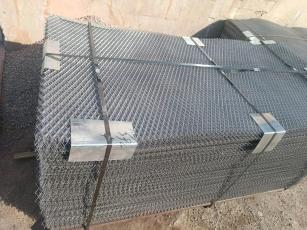
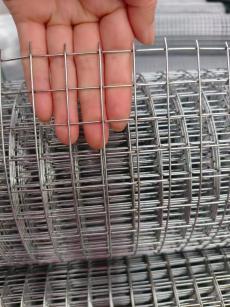
Crafted from food grade 304 stainless steel wire with a diameter of 0.8mm, this crimped wire mesh features uniform 2mm×2mm square mesh openings that ensure precise filtration of particles as small as 2mm. The mesh has a standard width of 1.2 meters and a length of 30 meters per roll, making it compatible with most industrial filtration and screening equipment. It boasts a minimum tensile strength of 520MPa, providing excellent resistance to tearing or stretching during heavy-duty use. The electrolytic polishing treatment results in a surface roughness of Ra≤0.8μm, which prevents food residues from adhering to the mesh surface, simplifying cleaning and sterilization processes. Suitable for operating temperatures ranging from -40℃ to 120℃, it can withstand extreme conditions of food processing environments, including high-temperature sterilization and cold storage. The edges are polished to a smooth finish with no burrs, and the mesh weighs only 12kg per roll for easy handling and installation.、
This food grade crimped wire mesh is widely applicable across the food processing, pharmaceutical, and fine chemical industries. In dairy processing, it is used for raw milk filtration to remove impurities like hay, dust, and foreign particles before pasteurization, ensuring the purity of milk, yogurt, and cheese products. In the baking industry, it serves as a flour sieving screen to separate lumps and impurities, improving the texture of baked goods such as bread, cakes, and pastries. In beverage production, it is employed for fruit pulp filtration, juice clarification, and hop separation in beer brewing, enhancing product clarity and taste. It is also suitable for pharmaceutical applications, including screening of powdered excipients and filtration of liquid medications, thanks to its non-toxic, sterile properties. Additionally, it can be used in water treatment systems for food processing plants to filter out sediment and contaminants, ensuring compliance with strict water quality standards.







 Post RFQ


 Chat
Chat


 ALL CATEGORIES