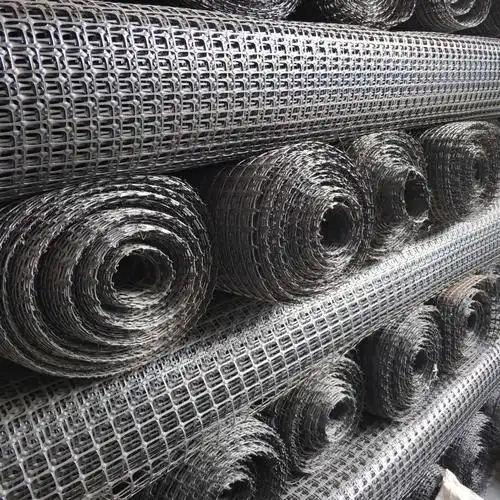
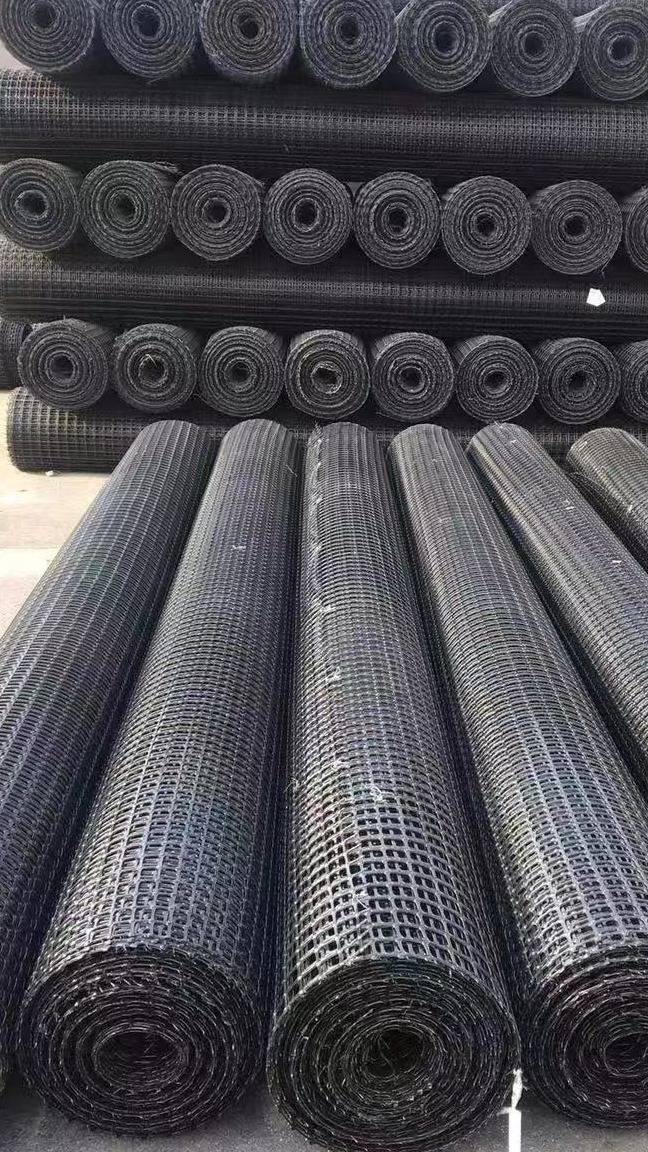


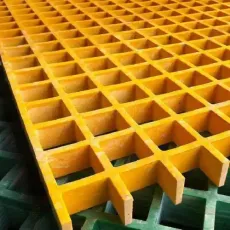
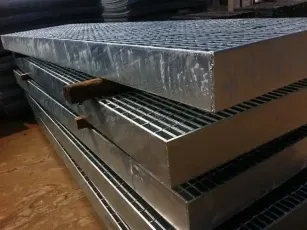
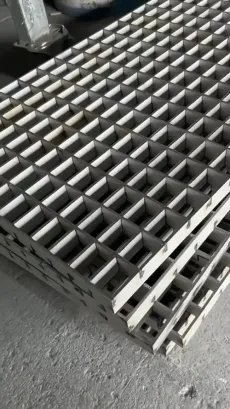
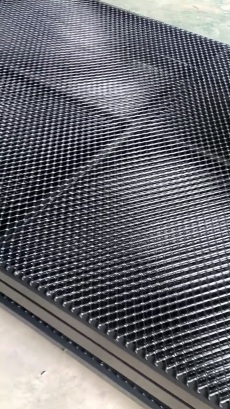
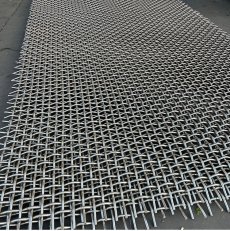
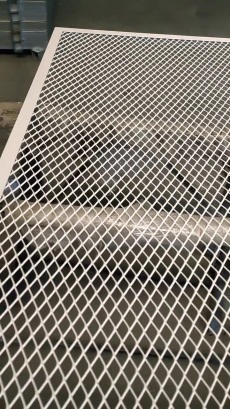
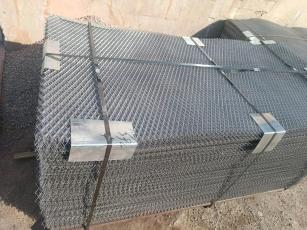
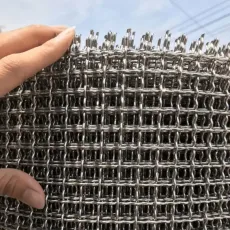
This plastic crimped mesh stands out with its food-grade polypropylene construction, which is non-toxic and safe for contact with plants, fish, and food materials—unlike PVC alternatives that may release harmful chemicals. Its UV-stabilized additive package ensures it can withstand 5 years of outdoor sunlight exposure without becoming brittle or losing its mechanical properties, solving the problem of rapid degradation common in uncoated plastic meshes. With acid-alkali resistance in the pH 4-10 range, it can be used in hydroponic systems or chemical filtration applications without corroding. The 1.5mm wire diameter and 10mm mesh opening provide sufficient strength to support plant growth while allowing water and nutrients to pass through freely, ideal for seed starting trays or plant support cages. Additionally, its lightweight design (15kg per 100m roll) makes it easy to transport and install without heavy equipment, reducing labor costs for DIY users and small businesses.
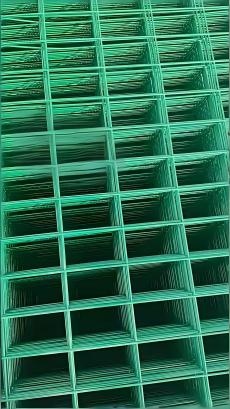
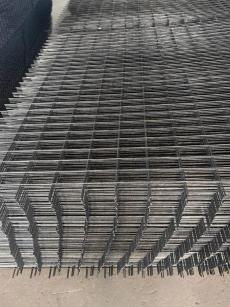
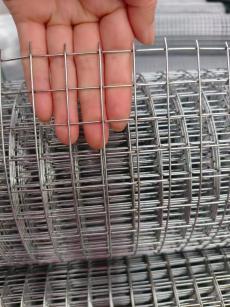
Constructed with 1.5mm diameter UV-stabilized polypropylene wires, this mesh features 10mm×10mm square openings with a crimp depth of 2mm to secure wire intersections. Each standard roll measures 1.2 meters in width and 100 meters in length, weighing only 15kg for effortless handling. It can operate in temperatures from -20℃ to 60℃, maintaining its flexibility in cold weather without cracking and its shape in heat without warping. The mesh is resistant to acids and alkalis in the pH 4-10 range, suitable for use in hydroponic nutrient solutions or mild chemical filtration. Its tensile strength reaches 150MPa, with a breaking force of 3kN per linear meter, ensuring it can support up to 200kg of weight per square meter when used as a plant support. All rolls are made from 100% recyclable polypropylene, complying with RoHS environmental standards, and come with a 2-year warranty against UV degradation.
In horticulture, this plastic crimped mesh is used to build seed germination trays, supporting young plants while allowing water and air to circulate. Gardeners use it to create plant support cages for tomatoes, cucumbers, and climbing flowers, preventing stems from bending or breaking under the weight of fruit. In aquaculture, it serves as a filtration layer in fish ponds, removing debris and excess food without blocking water flow, improving water quality for fish. It also acts as a barrier in pond edges, preventing fish from escaping and keeping predators like birds out. In construction sites, it is used as a temporary debris screen to prevent dust and small particles from spreading to surrounding areas. Homeowners use it to build small fences for flower beds, keeping rabbits and squirrels from damaging plants without blocking sunlight. Additionally, it can be used as a storage rack liner in kitchens or garages, preventing small items from falling through gaps while allowing air to circulate to reduce moisture buildup.







 Post RFQ


 Chat
Chat


 ALL CATEGORIES