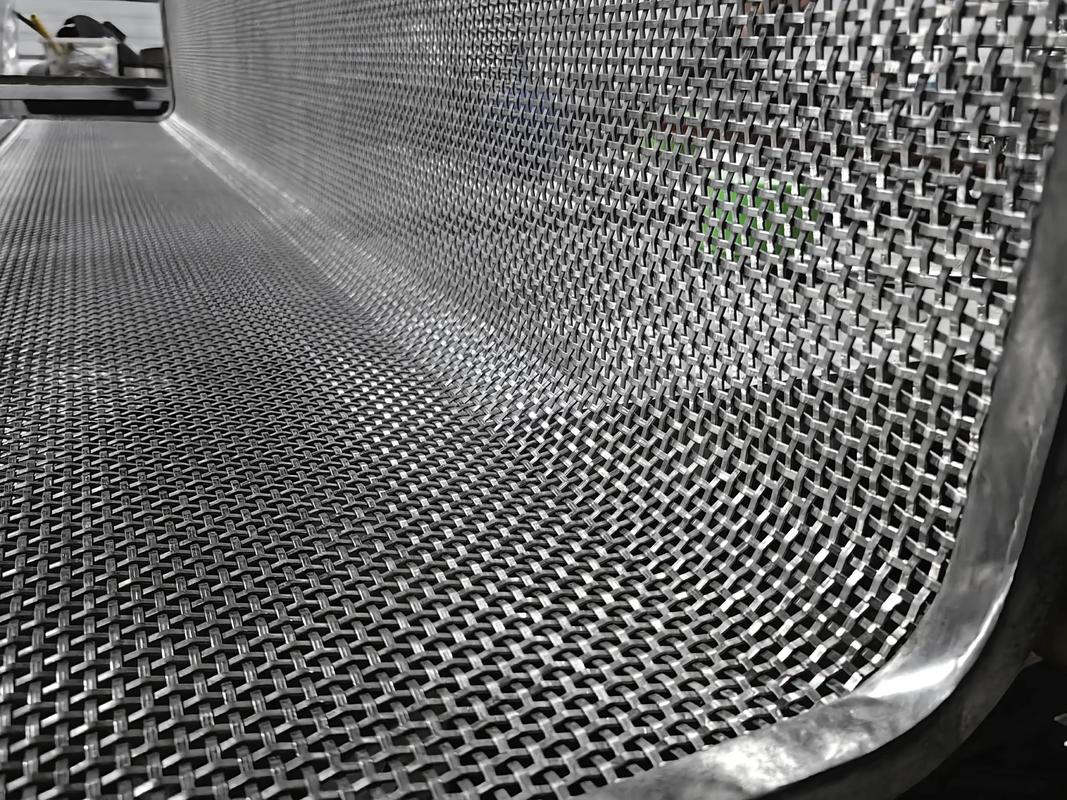
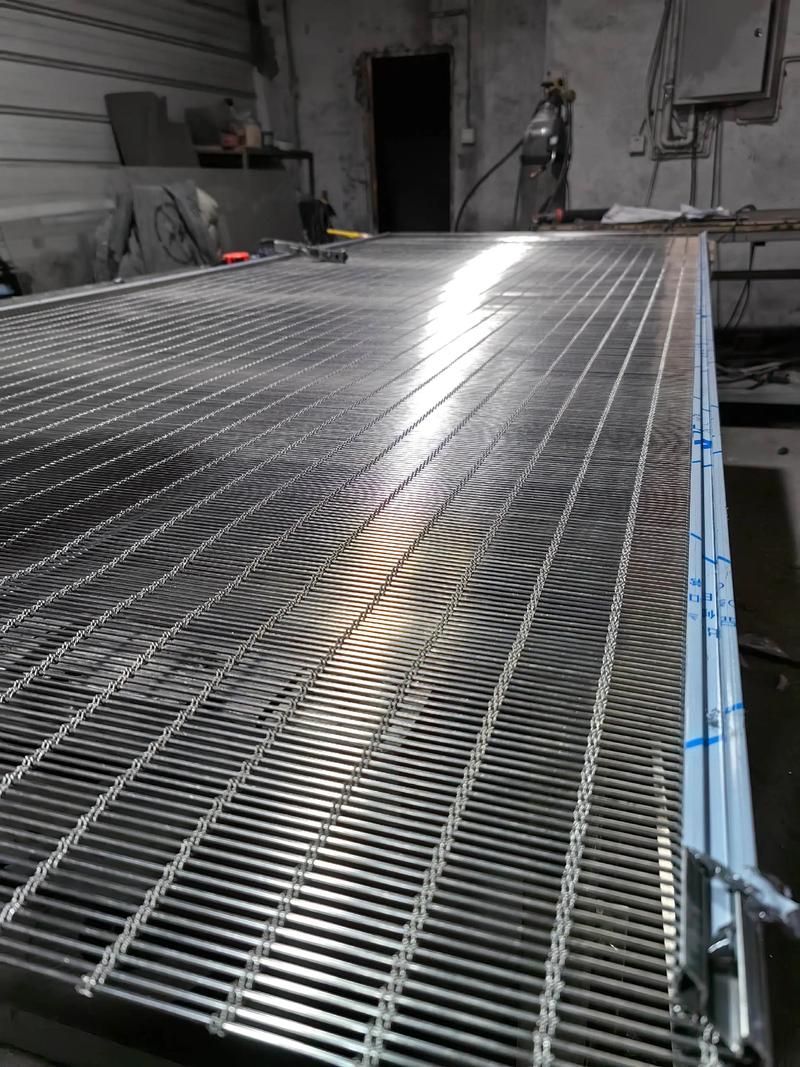


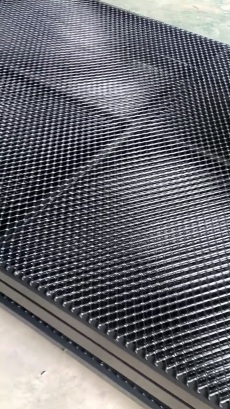
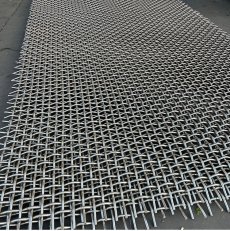
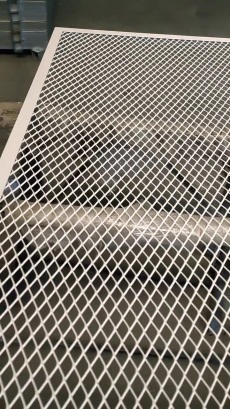
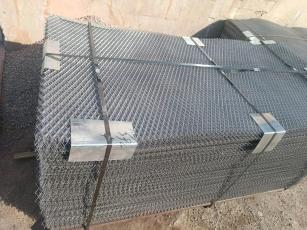
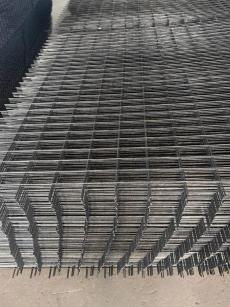
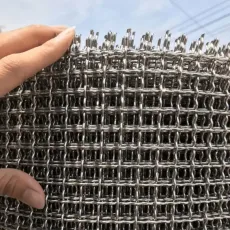
This heavy-duty crimped wire mesh stands out with its precision cold-crimped technology, which locks each wire intersection tightly without welding, avoiding crack risks under dynamic loads—a critical advantage for high-vibration screening equipment. The 304 stainless steel material offers superior corrosion resistance compared to galvanized alternatives, making it suitable for contact with food and pharmaceutical products without leaching harmful substances. With a tensile strength of over 520MPa, it can withstand up to 1500kg of uniform pressure per square meter, far exceeding the load capacity of ordinary meshes. The polished surface reduces material adhesion, facilitating easy cleaning and maintenance, while the passivation layer extends its service life by 30% in corrosive environments. Additionally, customizable mesh openings and roll sizes cater to specific screening requirements, solving the pain point of one-size-fits-all products failing to meet unique industrial needs.
The mesh is constructed with 3.5mm diameter 304 stainless steel wires, forming a 20mm×20mm square mesh opening with a consistent crimp depth of 5mm to ensure wire stability. Each standard roll measures 1.8 meters in width and 30 meters in length, weighing 125kg for easy transport and installation. It boasts a maximum operating temperature of 800℃, allowing use in high-heat drying and screening processes. The passivation treatment creates a 0.5μm thick protective film on the surface, enhancing corrosion resistance against 5% acetic acid solutions for over 1000 hours without rusting. Tensile strength tests confirm it can endure a breaking force of 28kN per linear meter, and its flatness error is within ±2mm per square meter, ensuring uniform screening results. All rolls comply with FDA food contact standards and ISO9001 quality management system requirements, with traceability codes for batch verification.
In the food processing industry, this mesh is widely used for sieving flour, sugar, and cereal grains, as well as filtering edible oils and syrups to remove impurities while maintaining food safety. In chemical manufacturing, it serves as a primary screening layer for raw material powders like pigments and fertilizers, separating oversized particles and ensuring consistent product quality. Pharmaceutical workshops utilize it for filtering active pharmaceutical ingredients (APIs) and creating sterile barriers to prevent cross-contamination. It also finds applications in wastewater treatment plants for solid-liquid separation, where its corrosion resistance withstands harsh sewage conditions. Additionally, it can be deployed as a protective barrier in heavy machinery workshops to prevent debris from scattering, ensuring worker safety. For marine engineering projects, it acts as a corrosion-resistant screen for bilge water filtration, adapting to saltwater environments without degradation.







 Post RFQ


 Chat
Chat


 ALL CATEGORIES