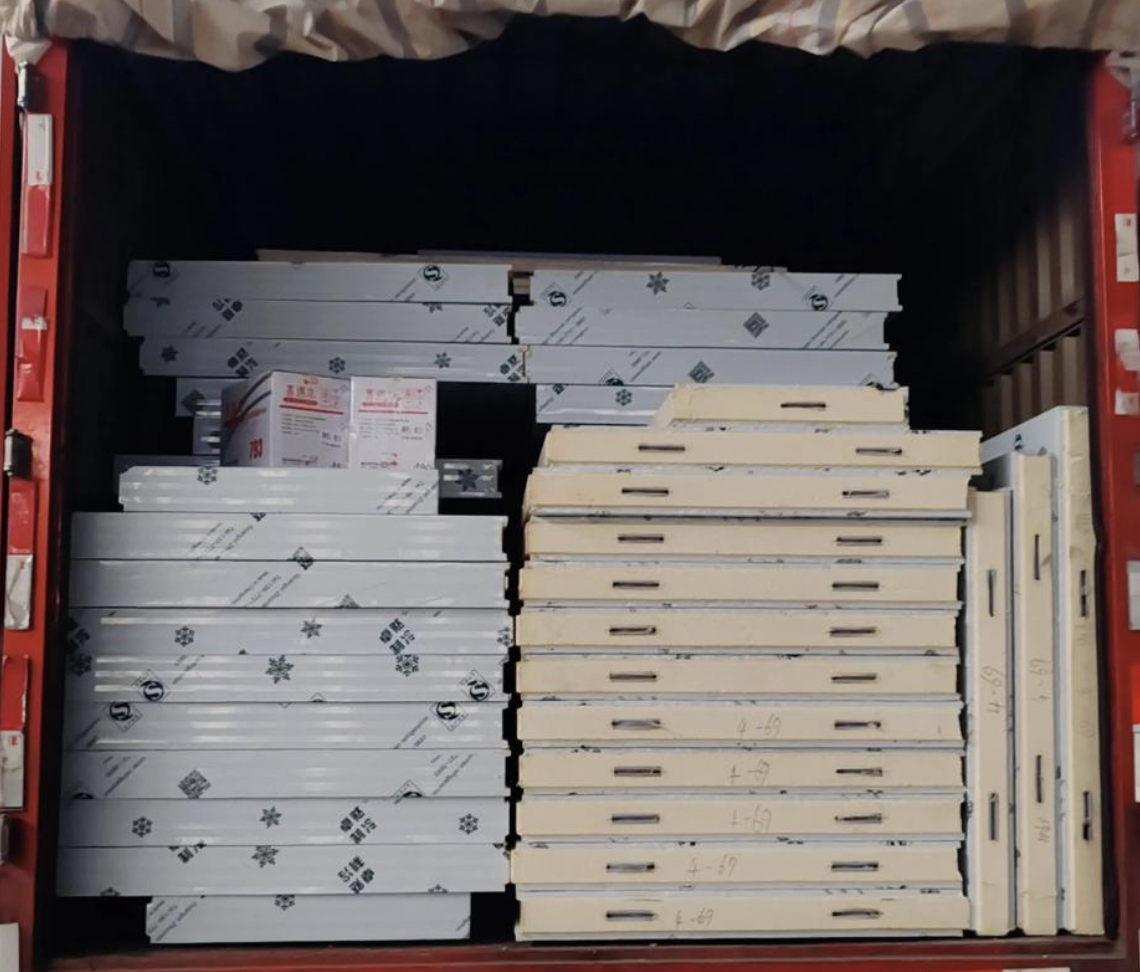
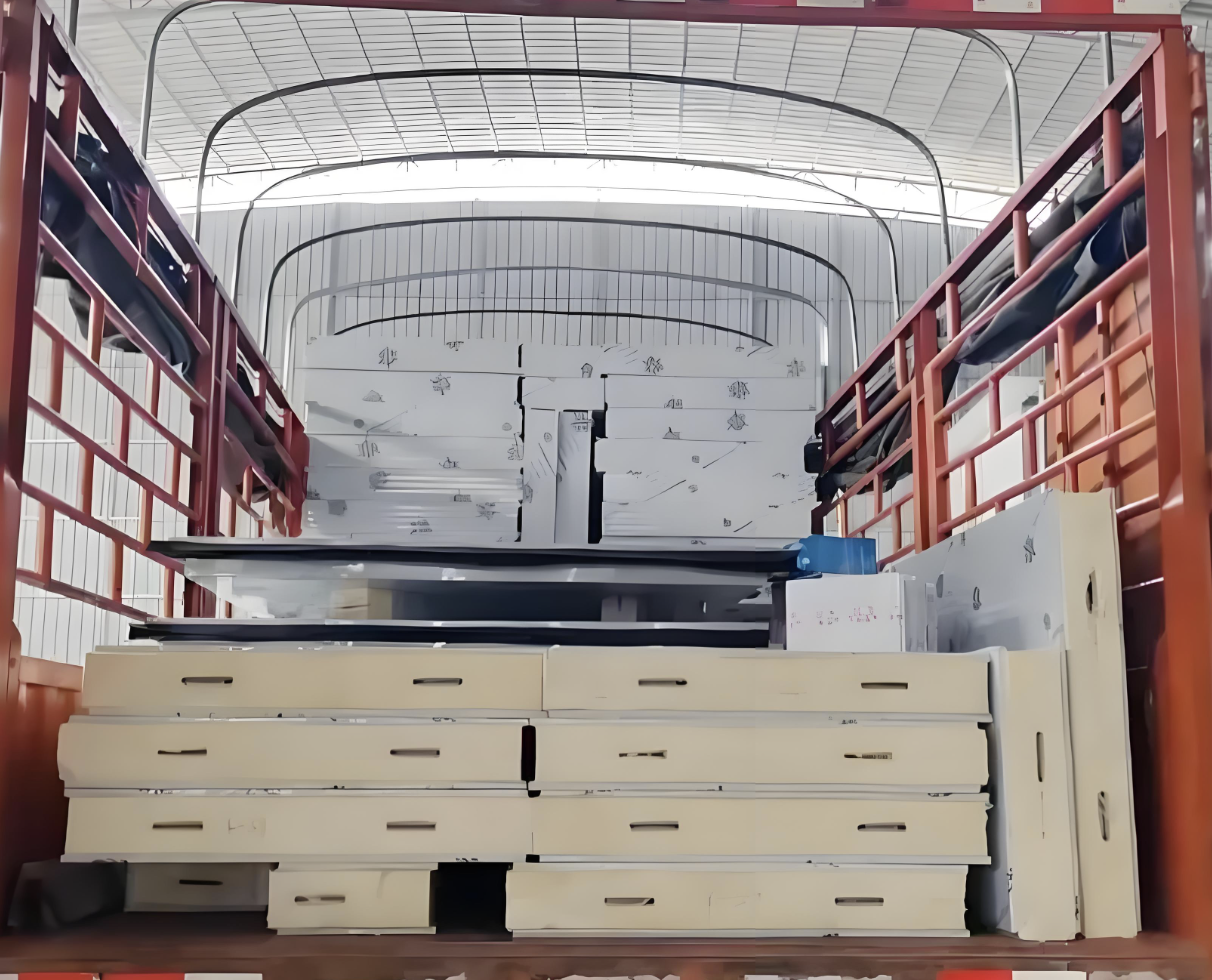





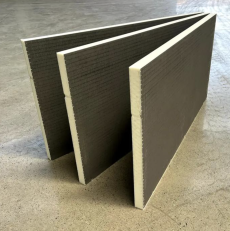
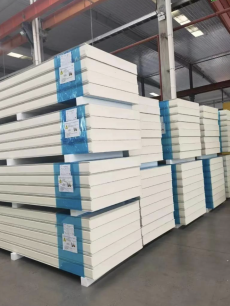

This product uses a food-grade polyurethane foaming formula, which does not contain harmful additives to the human body, and has passed the EU EFSA food contact safety certification, which can be directly applied to fresh storage and medical cold storage scenarios. The closed-cell foaming process makes its water vapor permeability only 0.05g/(m·24h), effectively avoiding the icing and performance attenuation of the insulation layer caused by external water vapor penetration, and can work stably in the temperature range of -40℃ to 80℃. The built-in mortise and tenon sealing groove design can achieve low air infiltration after installation, avoiding cold loss, reducing energy consumption by about 20% compared with traditional spliced insulation boards. The Class A fire rating meets high domestic building fire protection standards, and it will not burn rapidly in an open fire environment, providing additional safety guarantee for cold storage.
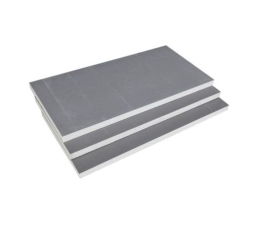
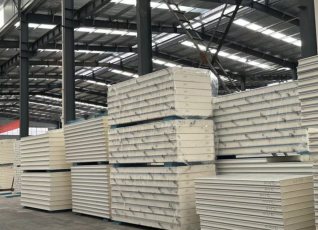
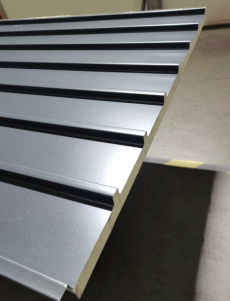
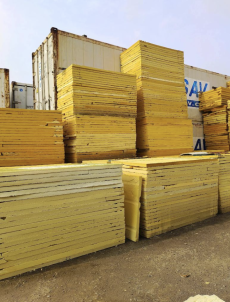
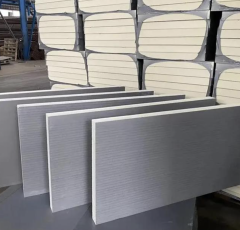
The standard panel size is 1000mm (width) × 2000mm (length), with optional thickness ranging from 50mm to 200mm to meet the insulation needs of different low-temperature storage spaces. The base material density is controlled at 45-50 kg/m³, ensuring structural stability in low-temperature environments and avoiding panel deformation problems. The thermal conductivity is as low as 0.020 W/(m·K), making it one of the building insulation materials with good insulation performance currently available. The product is equipped with a reinforced aluminum foil facing, which can further improve reflective insulation performance and moisture resistance, and is easy to clean and maintain, adapting to the high-frequency cleaning needs of cold storage.
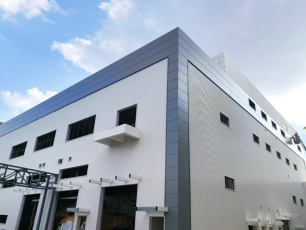
It is mainly used in various low-temperature storage scenarios, including fresh cold storage, medical cold storage, seafood processing workshops, refrigerated containers and cold chain logistics distribution centers. It can also be used in vaccine cold storage warehouses, laboratory constant temperature and humidity rooms and other scenarios with high requirements for environmental cleanliness and temperature control accuracy, effectively maintaining the temperature stability of the storage environment, reducing the refrigeration energy consumption of cold chain operations, extending the service life of cold chain equipment, and ensuring the storage quality of fresh food and medical products.







 Post RFQ


 Chat
Chat


 ALL CATEGORIES