




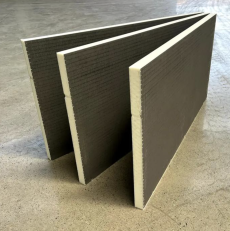
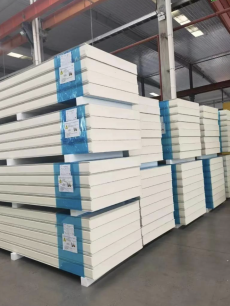
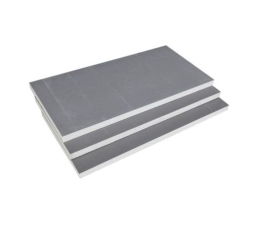
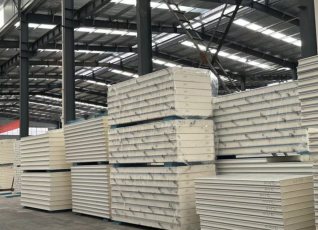
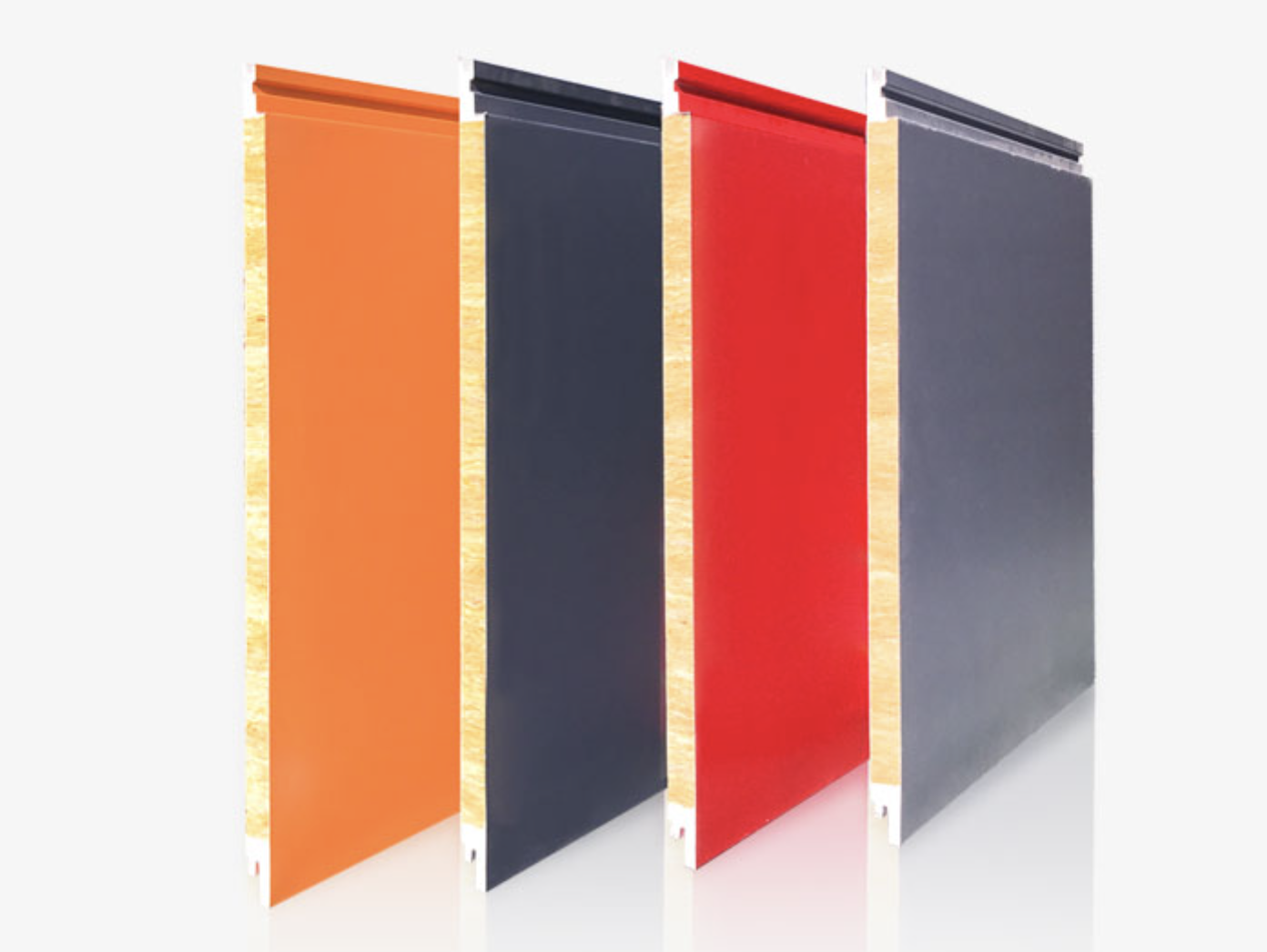
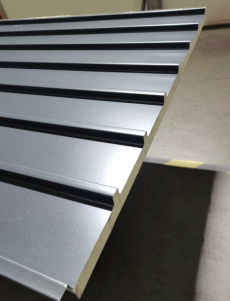
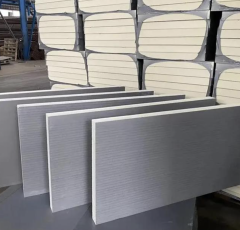
This product features a low thermal conductivity of 0.022 W/(m·K), which is 30% higher than traditional EPS insulation boards, significantly reducing the thickness required to meet national energy conservation standards. Its B1 flame retardant rating ensures it will not easily spread flames in the event of a fire, meeting mandatory fire safety requirements for high-rise buildings. The E0 environmental grade releases free formaldehyde, making it safe for indoor and outdoor use. The non-woven fabric facing improves the board's resistance to weathering and enhances adhesion with external mortar coatings, eliminating the need for additional interface agents during construction. It also has good moisture resistance, preventing water vapor penetration from damaging the insulation layer and extending the service life of the entire external insulation system.
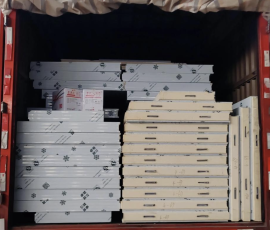
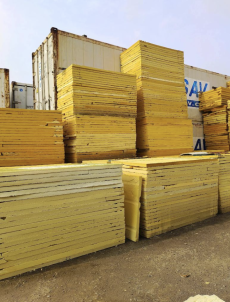
The standard size of this insulation board is 1200mm in length, 2400mm in width, with optional thicknesses ranging from 50mm to 200mm to meet different thermal insulation requirements. The density of the base foam is controlled between 35-45 kg/m³, ensuring balanced structural strength and thermal insulation performance. The facing material is a high-strength polypropylene non-woven fabric with a weight of 80g/m², which has good tear resistance and compatibility with cement-based mortars. The board can be cut on-site according to construction needs, with a tolerance of ±1mm for cutting size to ensure tight fitting during installation. It is also available in custom sizes for special project requirements, with a maximum custom size of 1500mm×3000mm.
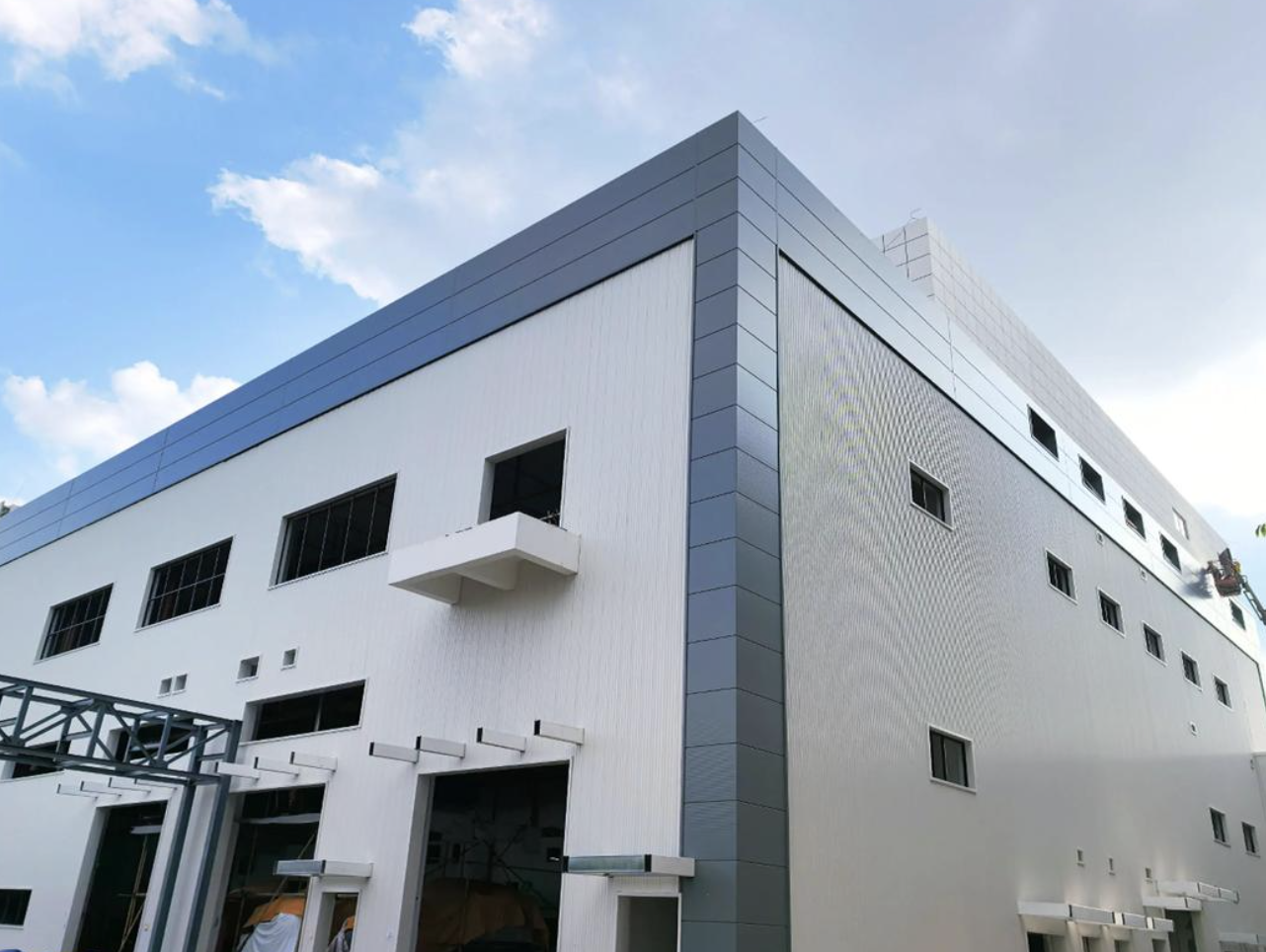
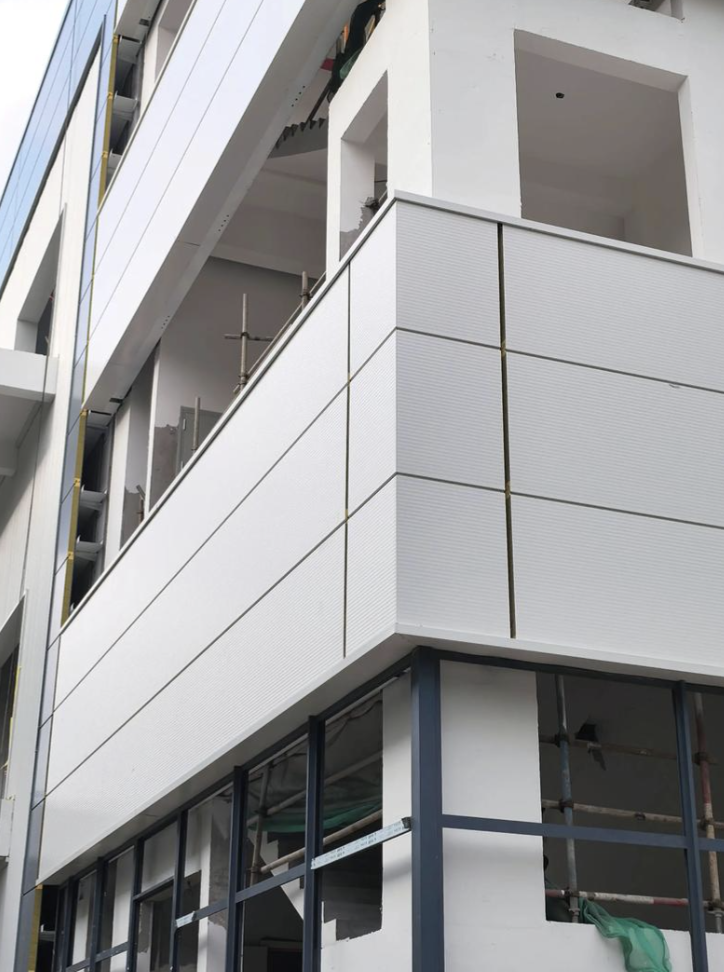
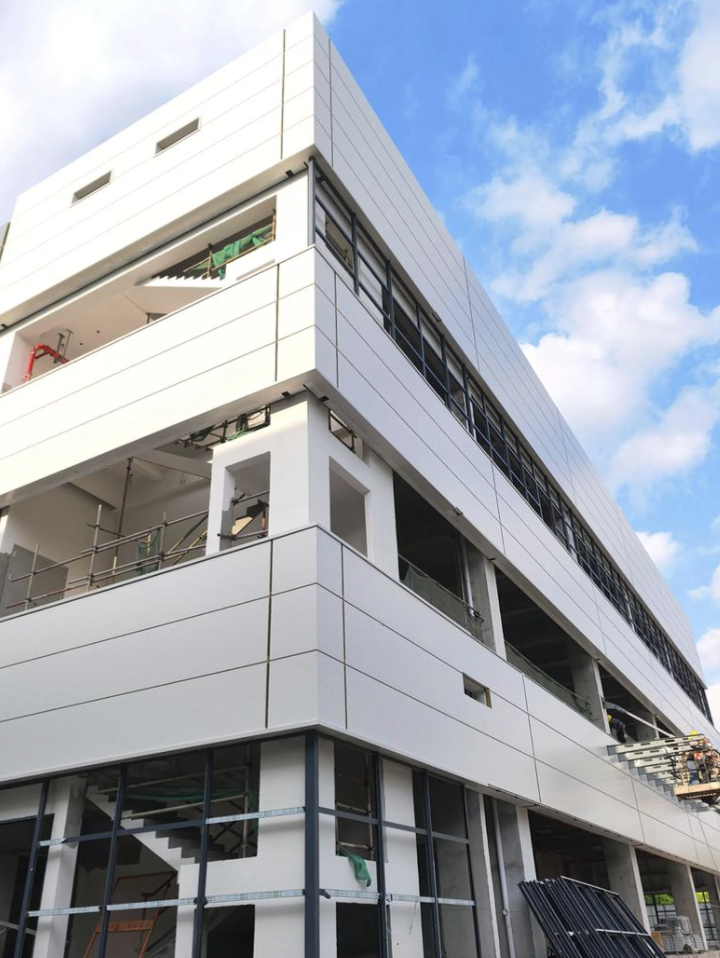
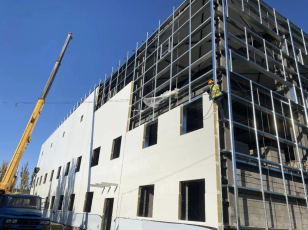
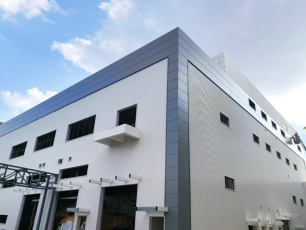
This exterior wall polyurethane insulation board is primarily applicable to external thermal insulation systems for multi-story and high-rise residential buildings, office buildings, shopping malls and other commercial structures. It is suitable for both new construction projects and energy-saving retrofitting of existing buildings, especially in regions with strict energy conservation and fire safety regulations. It can also be used for balcony insulation, exterior wall decorative integration projects, as well as the insulation layer of external curtain wall systems. During construction, it can be installed using adhesive bonding combined with mechanical anchoring, improving construction efficiency and reducing on-site operation time compared to traditional insulation materials.







 Post RFQ


 Chat
Chat


 ALL CATEGORIES