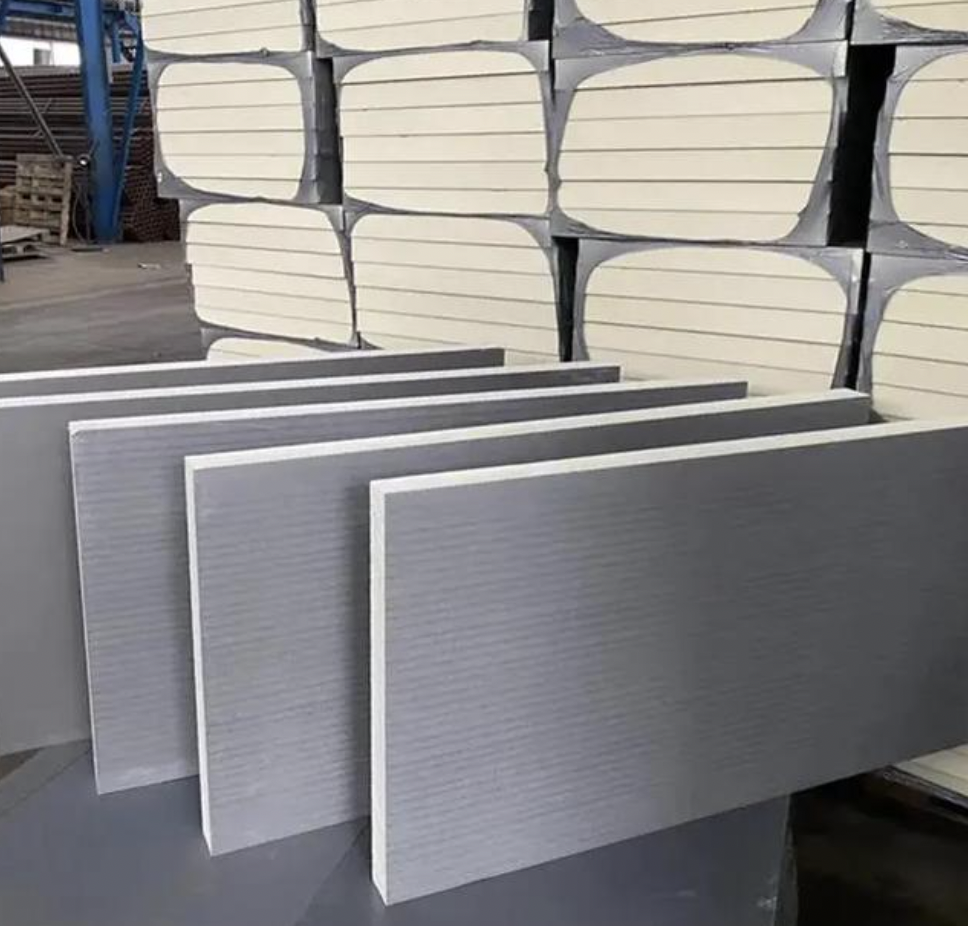
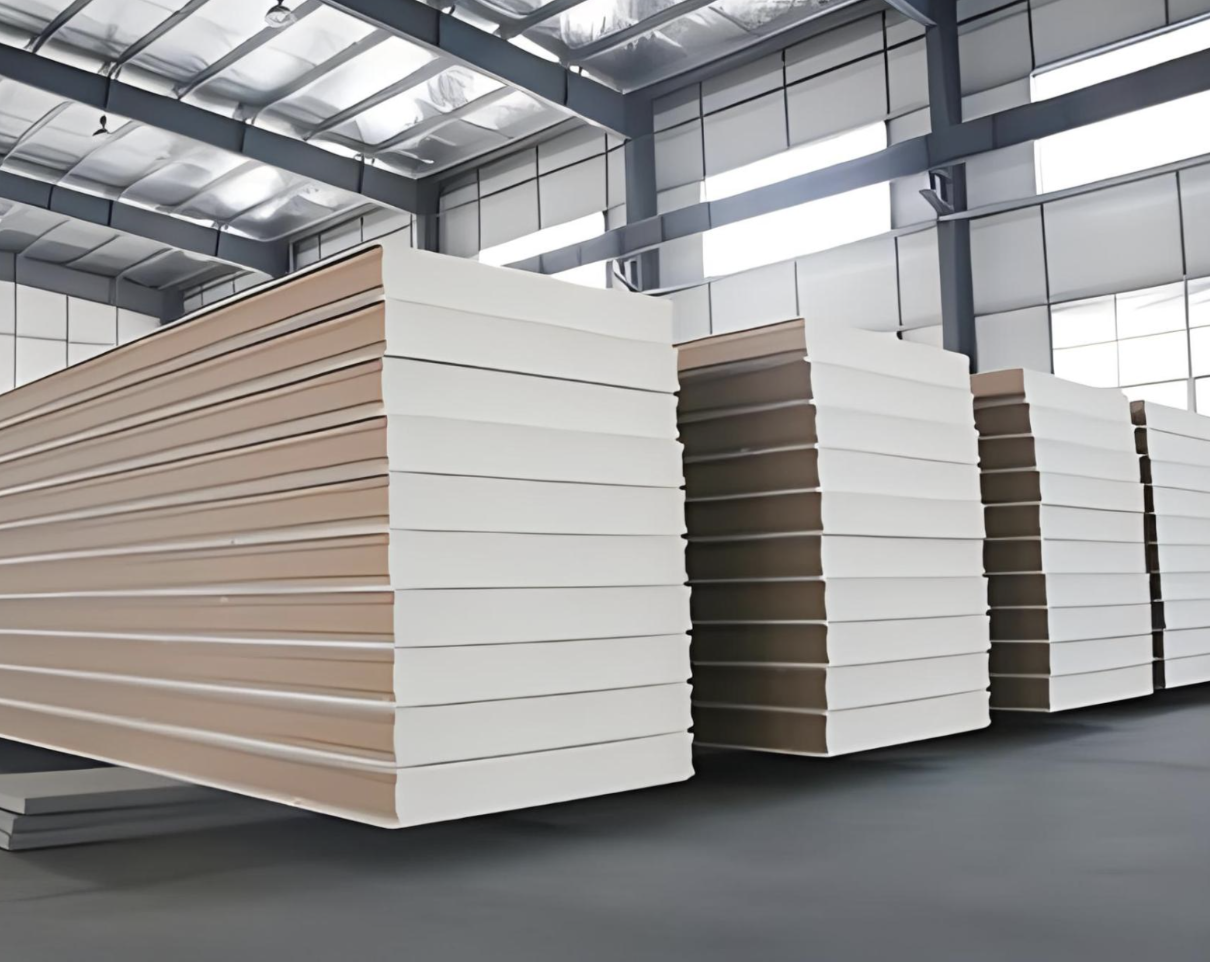





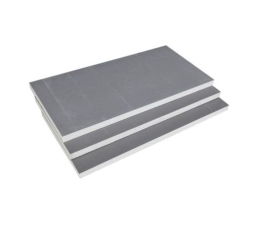

This product has a thermal conductivity of only 0.018 W/(m·K), which is 18% higher than standard exterior wall insulation boards, meeting the passive building's requirement for a thermal transmittance of less than 0.15 W/(m²·K) with a relatively thin panel thickness. The ultra-high density of 55-65 kg/m³ provides excellent structural strength, allowing the board to be used as both an insulation layer and a partial load-bearing component in some passive house designs. The waterproof cementitious facing improves the board's resistance to weathering and compatibility with external plaster systems, eliminating the need for additional waterproofing layers in most cases. Its E0+ environmental grade emits almost no formaldehyde, making it safe for indoor living spaces. It also has excellent dimensional stability, with a deformation rate of less than 1% after 1000 cycles of temperature and humidity changes, ensuring long-term performance without cracking or warping.
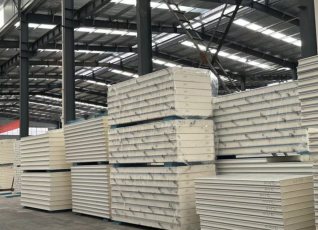
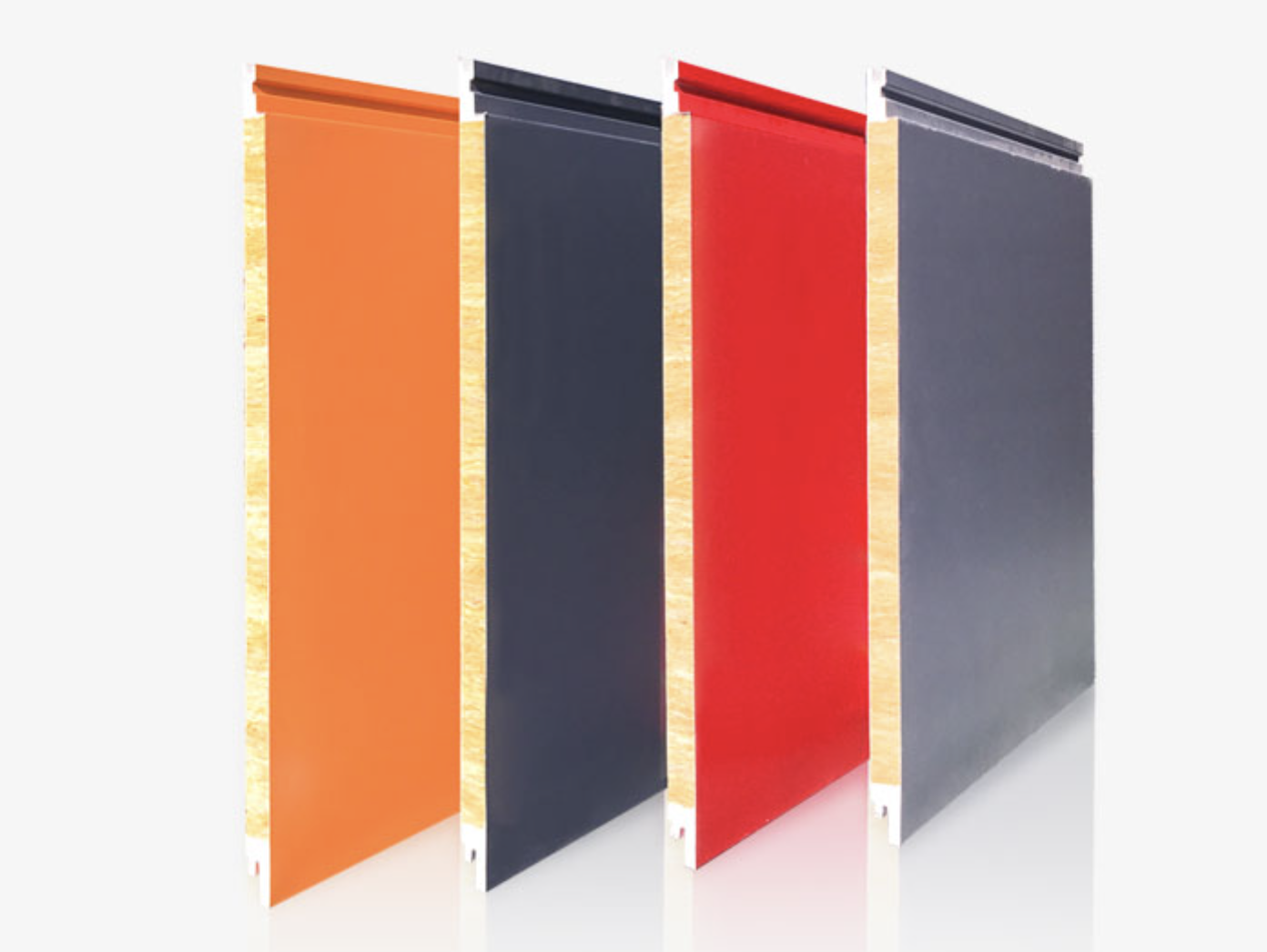
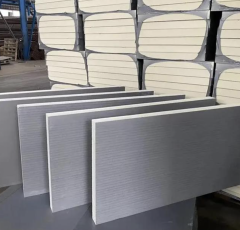
The standard size of this passive house insulation board is 1200mm in length and 2400mm in width, with optional thicknesses ranging from 100mm to 300mm to meet different passive building energy conservation requirements. The ultra-high density rigid polyurethane foam core is produced using a continuous foaming process with precise control of cell structure, ensuring consistent thermal insulation performance across the entire panel. The cementitious facing has a thickness of 3mm, providing good fire resistance and compatibility with common exterior wall coatings. The panel has a cutting tolerance of ±0.5mm, ensuring a tight fit between adjacent panels during installation. Custom sizes are available for special architectural designs, with a maximum custom size of 1500mm×3000mm, and custom thicknesses up to 350mm for ultra-high energy conservation requirements.
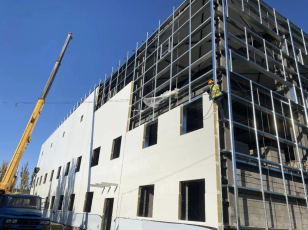
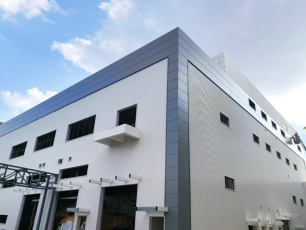
This passive house special polyurethane insulation board is primarily applicable to passive ultra-low energy consumption residential buildings, zero-carbon office buildings, green school buildings and other high-end green building projects that require strict energy conservation and environmental protection standards. It is suitable for exterior walls, roofs and basement insulation of passive houses, helping buildings meet the passive house certification requirements. It can also be used for thermal insulation of passive solar heating systems and ground source heat pump systems, improving the overall energy efficiency of the building. During installation, it can be bonded to the substrate using special mortar and secured with mechanical anchors to ensure long-term stability, even in extreme weather conditions such as high winds and heavy snowfall. It meets the most stringent environmental and energy conservation standards in Europe and North America, making it a preferred choice for green building projects.







 Post RFQ


 Chat
Chat


 ALL CATEGORIES