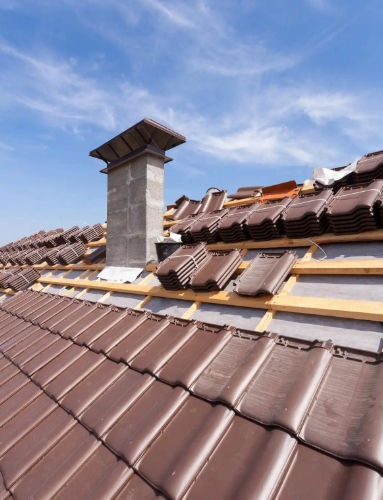
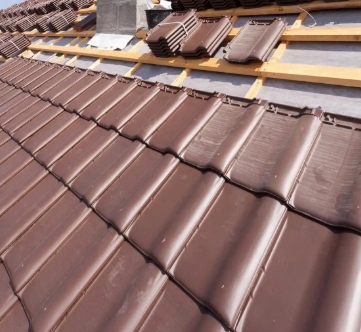


The core advantage lies in the lightweight design, with a weight of only 2.2kg per tile, which reduces the self-weight by 30% compared with standard cement tiles, effectively reducing the structural load of the building roof and suitable for the roof use of multi-story residential buildings and large-span factories. The addition of polypropylene fiber improves the crack resistance, avoiding the cracking problem of ordinary cement tiles when the temperature changes. It uses high-pressure steam curing process to improve structural stability, with compressive strength ≥28MPa and flexural strength ≥10MPa, far exceeding industry standards. It is made of E0-grade environmentally friendly materials without harmful substances such as asbestos, with high installation efficiency and adapting to a variety of roof base layers, reducing construction costs.
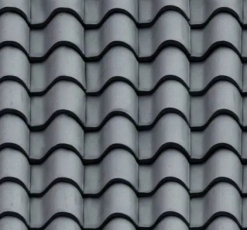
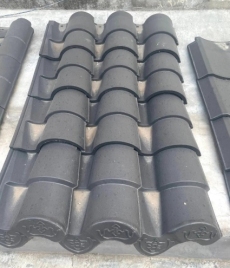
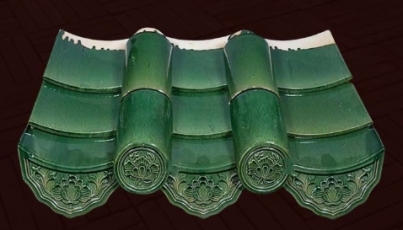
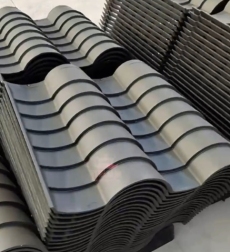
Each tile has a size of 460mm in length and 350mm in width, with an effective coverage area of 0.15㎡, and the weight per tile is 2.2kg. The compressive strength is ≥28MPa, the flexural strength is ≥10MPa, the water absorption rate is ≤9%, and there is no cracking after 40 freeze-thaw cycles. It is reinforced with polypropylene fiber, with excellent crack resistance. It adapts to roof slopes ranging from 15° to 90°, and is fixed with galvanized rust-proof nails. About 7 tiles are needed per square meter.
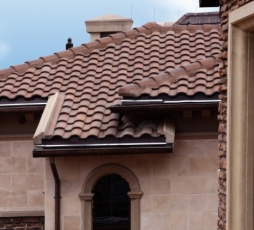
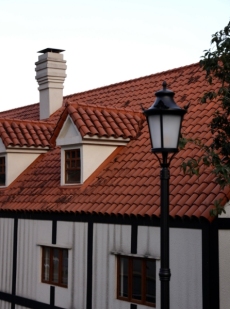
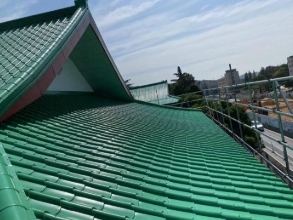
It is mainly suitable for roofs of multi-story residential buildings, large-span industrial factories, warehouses, public buildings and other buildings. It can reduce the structural design load of buildings and reduce infrastructure costs. It also has excellent waterproof and weather resistance, suitable for buildings in earthquake-prone regions, because the light self-weight can reduce seismic load, conforming to the lightweight design trend of modern buildings.







 Post RFQ


 Chat
Chat



 ALL CATEGORIES