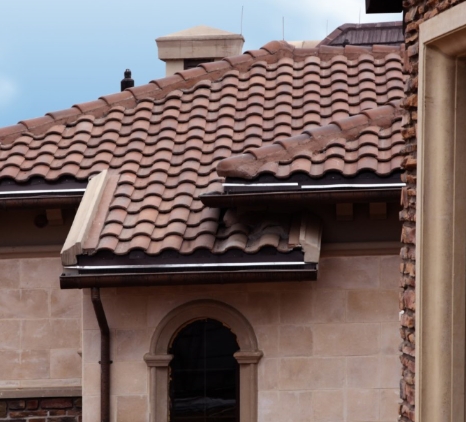


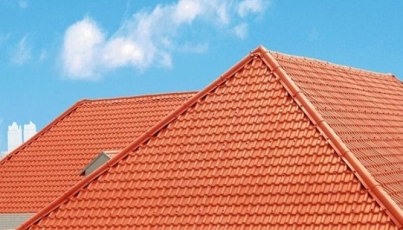
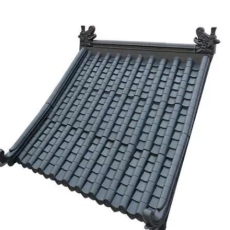
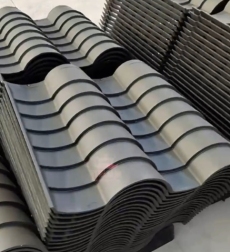
The core advantage of this insulated heat-resistant concrete roof tile is its excellent thermal insulation performance, which can effectively reduce the energy consumption of building heating and cooling. The built-in polyurethane insulation layer has a thermal conductivity of less than 0.03W/(m·K), which can block 90% of the heat transfer between the indoor and outdoor. The product adopts a double-layer waterproof structure, combining the concrete base material with the surface waterproof coating, forming a multi-layer waterproof barrier to avoid roof leakage. It has Class A fire resistance, which can resist high temperature and flame erosion, and is suitable for buildings with strict fire protection requirements. Compared with other insulation roofing materials, it has a longer service life, no aging and cracking problems, and reduces the frequency of later maintenance.
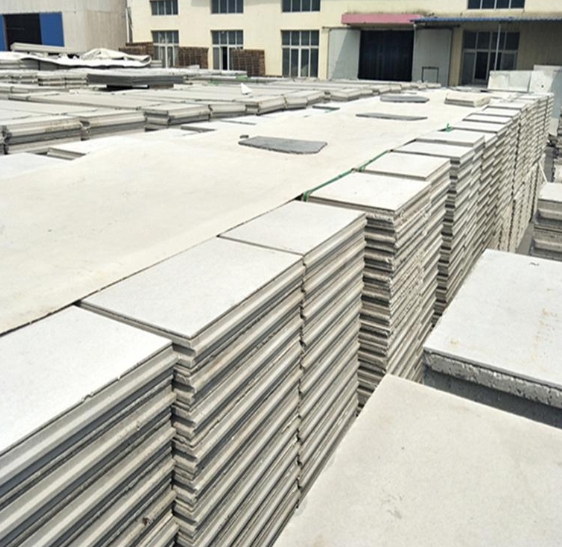
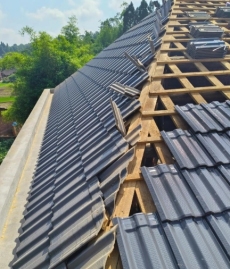
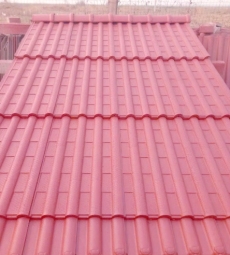
The single tile size is 450mm (length) × 350mm (width) × 35mm (thickness), including a 20mm thick polyurethane insulation layer, and the single tile weighs about 4.8kg, with about 6.3 tiles laid per square meter. The surface waterproof and heat-resistant coating can resist high temperature of 120℃, and will not soften or deform under high temperature environment. The water absorption rate is controlled within 6%, effectively avoiding the impact of moisture on the insulation performance. The flexural strength reaches 7.2MPa, which can resist the pressure of snow and wind loads. The matching insulated ridge tiles can also provide consistent thermal insulation effect, ensuring the overall thermal insulation performance of the roofing system.
It is mainly applicable to residential buildings, commercial buildings and industrial buildings in cold northern regions, high-temperature southern regions and areas with strict energy-saving requirements. It can effectively reduce the energy consumption of heating in winter and cooling in summer, improving the indoor thermal comfort of the building. It is suitable for villas, apartment buildings, office buildings and factories, and can meet the energy-saving standards of modern green buildings. Due to its excellent fire resistance, it can also be used for buildings in fire-prone areas, providing additional safety protection for the building. At the same time, its long service life reduces the long-term operating costs of the building.







 Post RFQ


 Chat
Chat



 ALL CATEGORIES