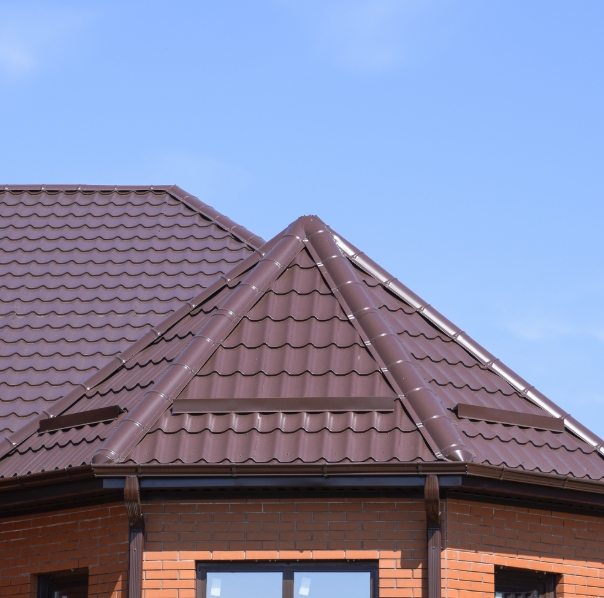
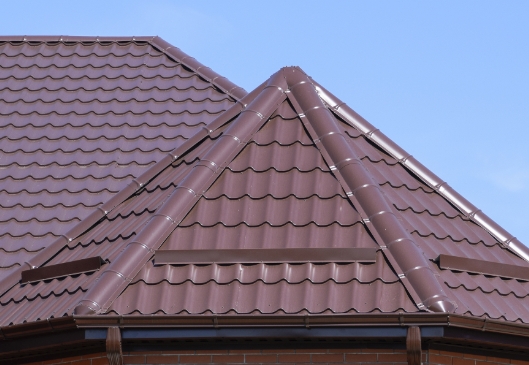


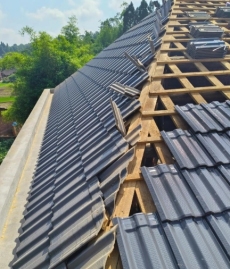
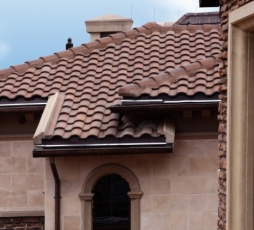
The core advantage lies in the built-in expanded perlite insulation layer, with a thermal conductivity of only 0.08W/(m·K), which reduces heat conduction by 60% compared with ordinary cement tiles, effectively reducing indoor temperature by 3-5℃ in summer and reducing air conditioning energy consumption. It uses high-pressure steam curing process to enhance structural stability and avoid insulation layer falling off. The surface is covered with waterproof and breathable membrane, which balances waterproof and steam discharge functions to avoid roof condensation. It is matched with stainless steel fixed accessories, rust-proof and corrosion-resistant, extending service life. It also meets Class A fire rating and E0 environmental protection standards, conforming to the certification requirements of energy-saving buildings.
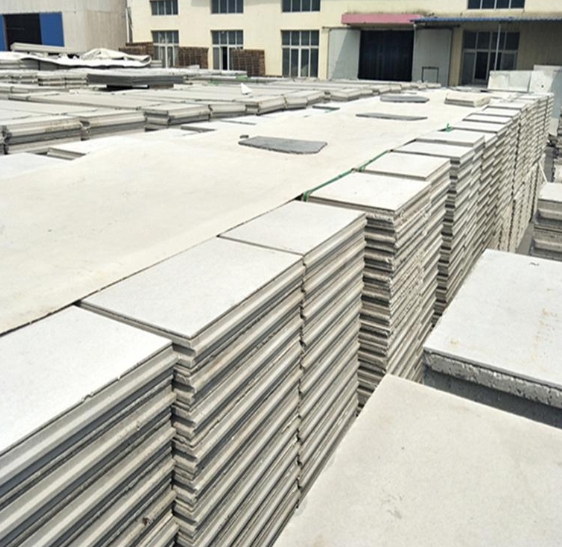
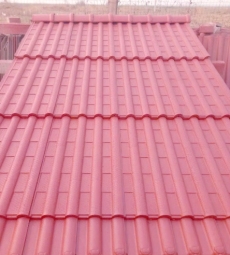
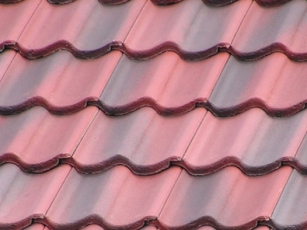
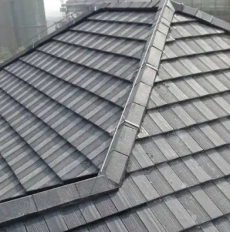
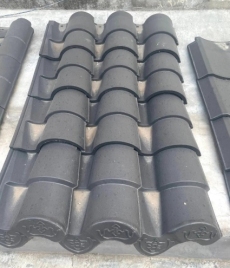
Each tile has a size of 450mm in length and 340mm in width, with an effective coverage area of 0.145㎡, and the weight per tile is about 4.8kg. The insulation layer thickness is 5mm, with a built-in polyester vapor barrier layer to prevent indoor water vapor from penetrating into the roof. The thermal conductivity is ≤0.08W/(m·K), the water absorption rate is ≤11%, and the compressive strength is ≥22MPa. It adapts to roof slopes ranging from 10° to 80°, and is fixed with rust-proof galvanized nails. About 7.2 tiles are needed per square meter.\
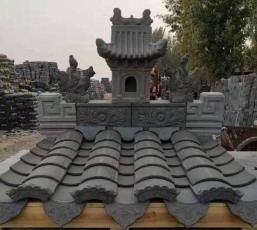
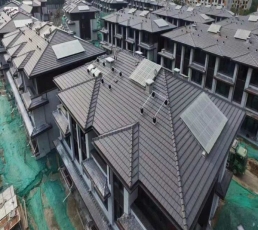
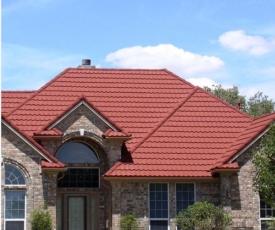
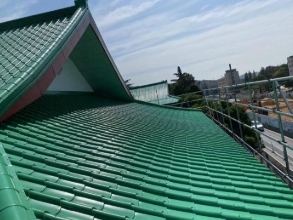
It is mainly suitable for roofs of residential buildings, commercial office buildings, schools and other buildings in tropical regions of Southeast Asia and high-temperature states in southern the United States. It can effectively reduce summer cooling energy consumption of buildings, conforming to the energy-saving building materials standards of Energy Star in the United States. It is also suitable for construction scenarios with high requirements for indoor temperature control such as cold storage and constant temperature warehouses, solving the pain point of poor heat insulation performance of traditional roof building materials.









 Post RFQ


 Chat
Chat




 ALL CATEGORIES