






This product adopts advanced purification technology of rectification-membrane separation coupling, increasing the purity to 90% and controlling metal impurities to 1ppb level, solving the pain point that traditional dimethyl carbonate impurities affect the performance of electronic components. It has excellent solubility and low volatility, and can be used as a cosolvent for lithium battery electrolyte, collaborating with ethylene carbonate to improve the conductivity and cycle stability of electrolyte. It also complies with EU REACH, US TSCA and other environmental protection regulations, has no pungent smell, reduces occupational health risks in production workshops, and provides green and efficient chemical solutions for electronic manufacturing enterprises.
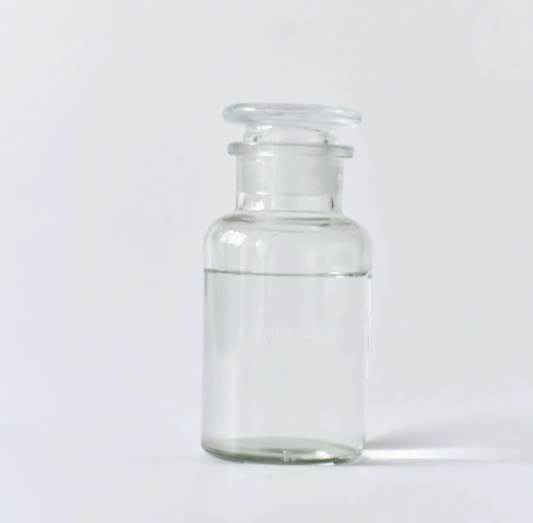
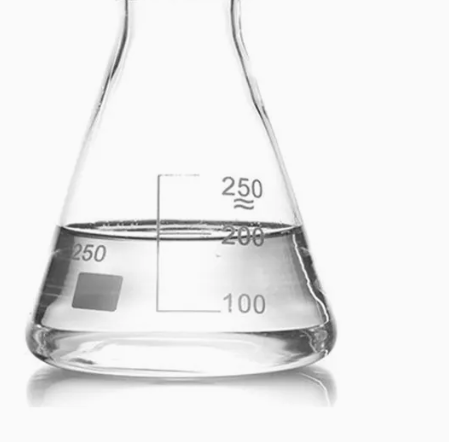
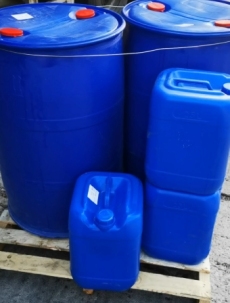
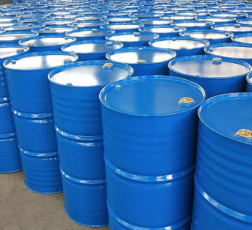
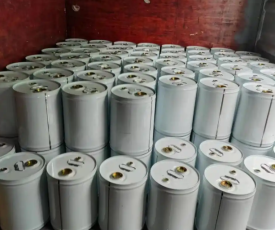
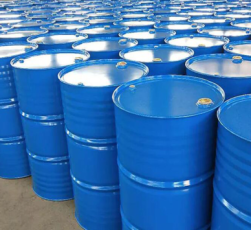
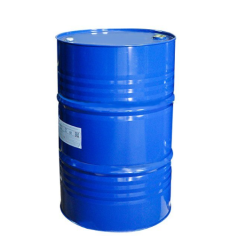
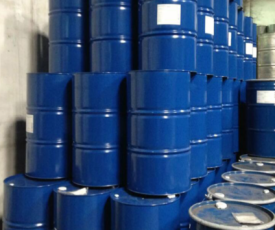
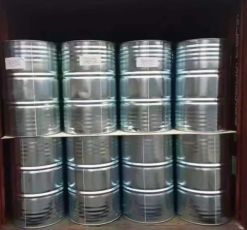
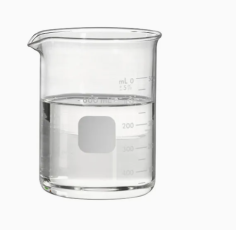
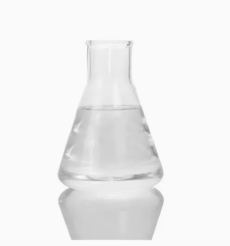
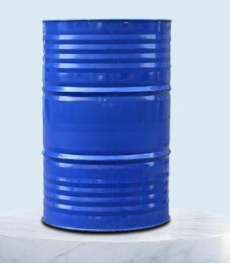
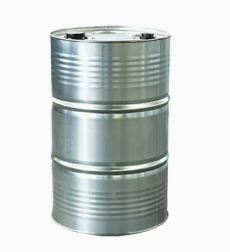
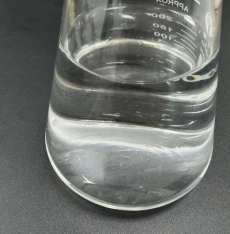
This ultra-high purity electronic grade dimethyl carbonate complies with international semiconductor and lithium battery manufacturing standards. Its appearance is a colorless, transparent liquid with no suspended solids. The purity is ≥99.99% tested by gas chromatography, moisture content ≤10ppm via Karl Fischer titration, free acetic acid ≤5ppm, and Hazen color number ≤5. The density ranges from 1.068 to 1.071 g/cm³ at 20℃, boiling point is 89-91℃, and refractive index (n20/D) is 1.368-1.370. The insoluble matter content is ≤0.001%, and total metal impurities detected by ICP-MS are ≤10ppb. It is packaged in 200L food-grade stainless steel drums (net weight 180kg per drum) or 1000L IBC ton tanks (net weight 900kg per tank). The recommended storage temperature is 5-30℃, avoiding direct sunlight, and the shelf life is 24 months, complying with GB/T 23999-2009 and IEC 61688 standards.
This product is suitable for wet cleaning processes of 12-inch and below semiconductor wafers, cosolvents for ternary material electrolytes of lithium-ion power batteries, diluents for photovoltaic module packaging adhesives, and solvents for electronic grade adhesives. It serves high-end manufacturing industries such as semiconductor manufacturing, new energy power batteries and photovoltaic new energy, replacing traditional toxic organic solvents such as dichloromethane and toluene, meeting the green production requirements of downstream customers. It has passed the supplier audit of many leading semiconductor enterprises and power battery manufacturers, and achieved batch stable supply.







 Post RFQ


 Chat
Chat


 ALL CATEGORIES