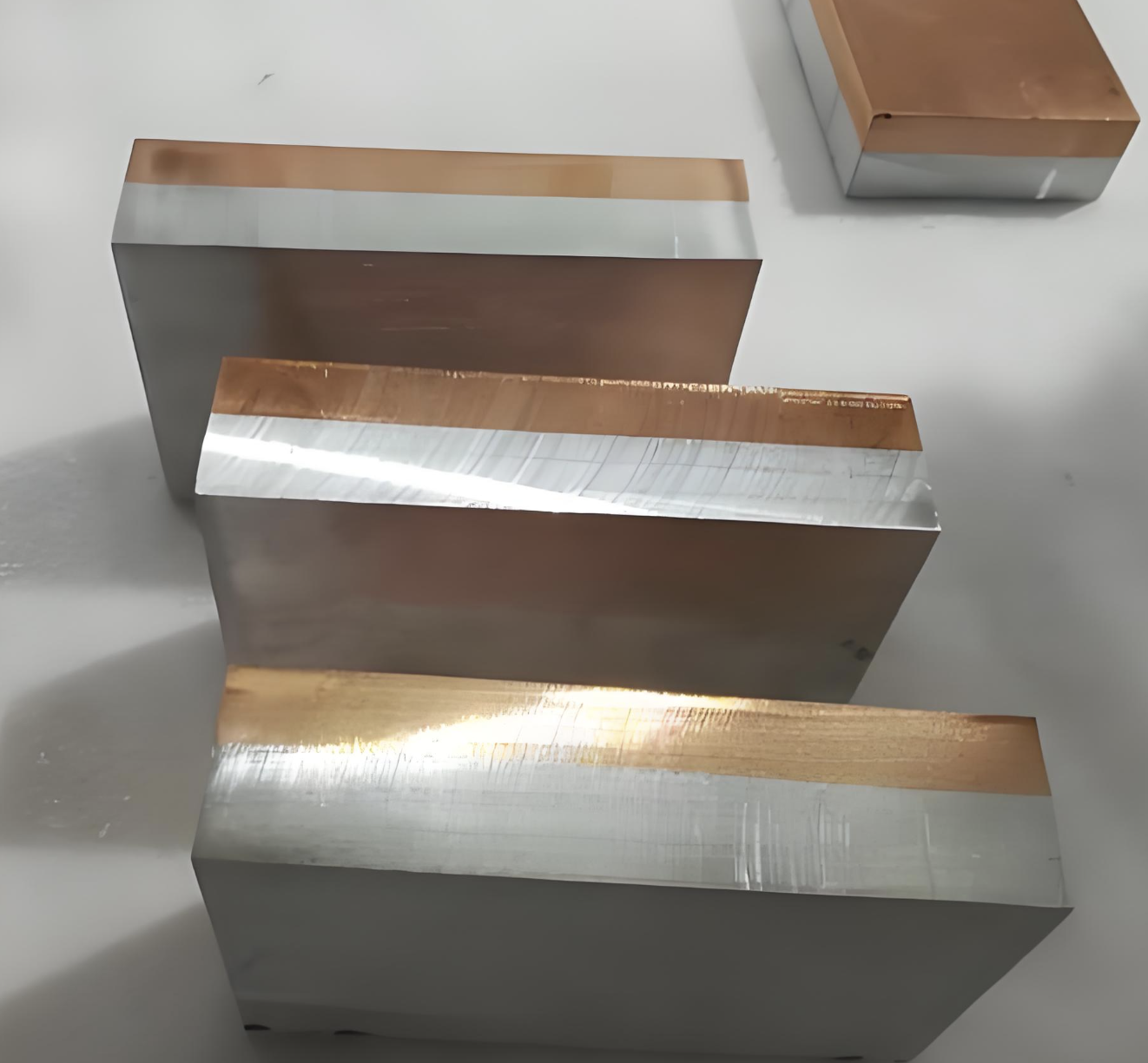
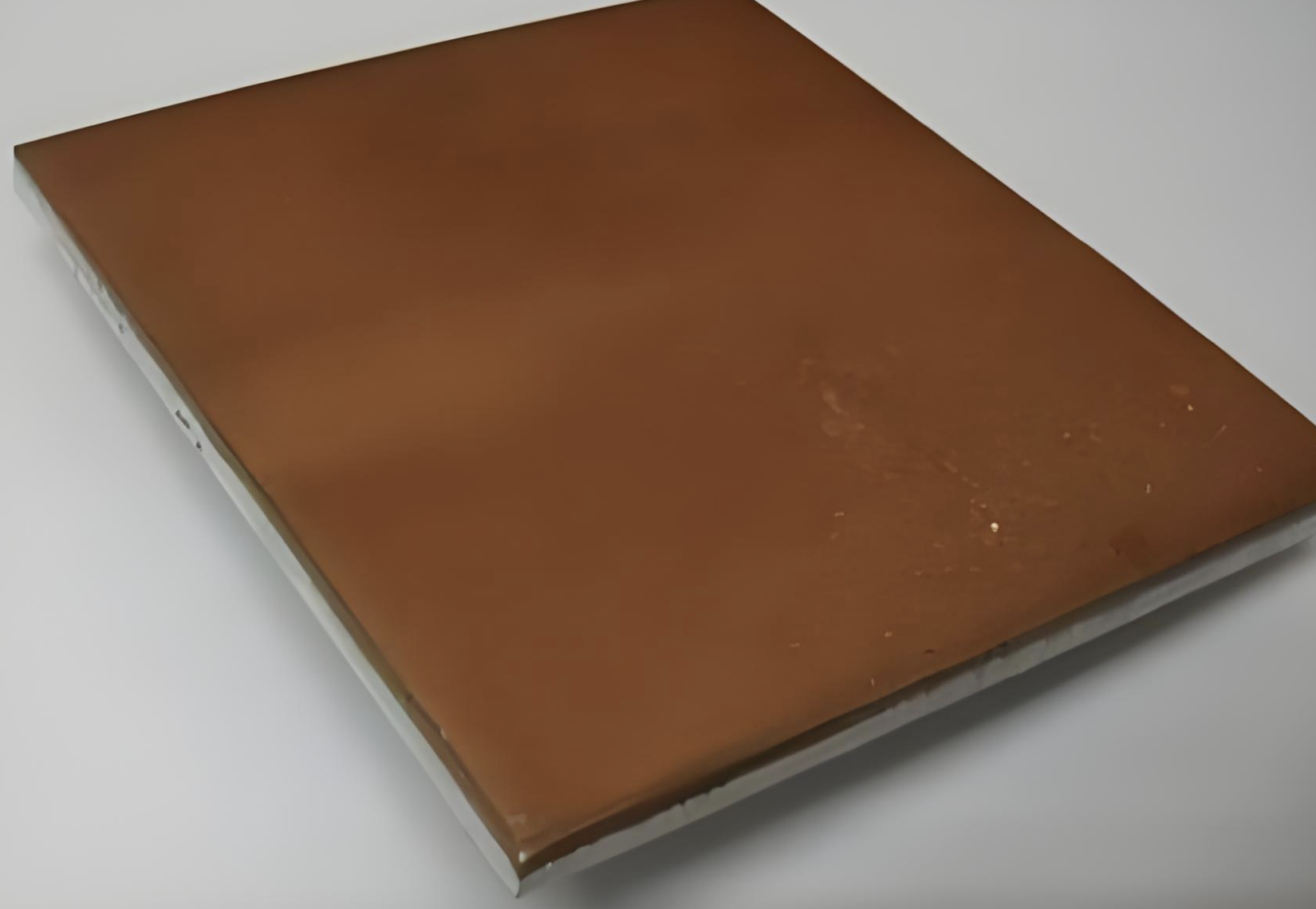





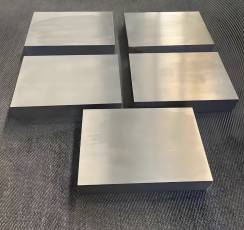
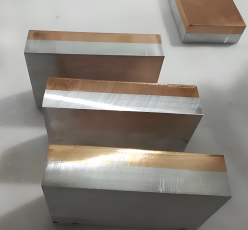
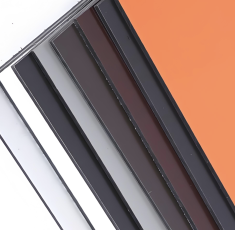
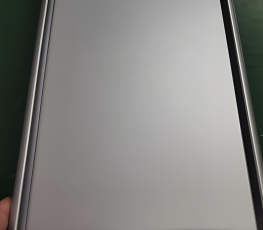
The surface layer is made of oxygen-free copper with a thermal conductivity of up to 220 W/(m·K), enabling efficient heat transfer from electronic equipment. The aluminum alloy core significantly reduces overall weight, achieving a weight reduction of approximately 40% compared to pure copper heat sinks, thus lowering the structural load of the equipment.The composite interface utilizes a vacuum brazing process, providing strong bonding strength and minimal thermal resistance loss. It features reliable electrical insulation, meeting Class B insulation requirements, and can be directly applied in heat dissipation modules for electronic equipment.The surface is polished to lower thermal resistance and enhance heat dissipation performance.
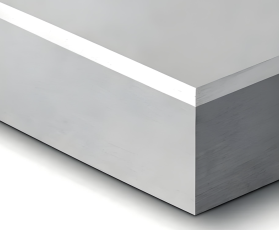
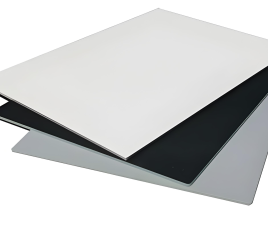
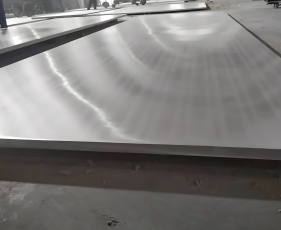
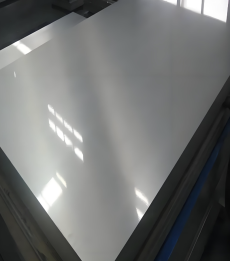
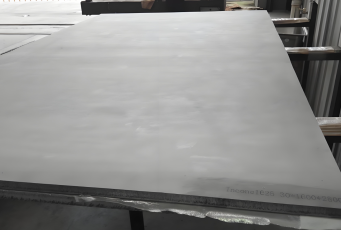
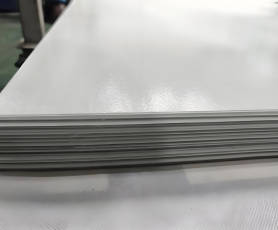
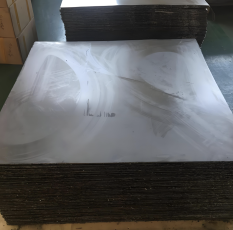
The total thickness of the composite panel is 3mm, with the upper and lower surface oxygen-free copper thickness of 0.8mm each, and the middle 6061 aluminum alloy core thickness of 1.4mm. The standard size is 1000mm x 2000mm, and custom special-shaped sizes are supported. The weight of a single panel is about 5.2kg per Square Meters. The packing is wrapped with anti-static PE bags, and about 120 Square Meters are loaded per pallet. The tensile strength reaches 120MPa, which can bear the fastening load of electronic equipment installation.
It is mainly used for heat dissipation plates of new energy vehicle battery PACK, heat dissipation modules of server cabinets, heat dissipation shells of 5G base station RF equipment, and heat dissipation components of industrial frequency converters. It adapts to the heat dissipation needs of high-power electronic equipment, effectively improving the operating stability and service life of the equipment.









 Post RFQ


 Chat
Chat


 ALL CATEGORIES