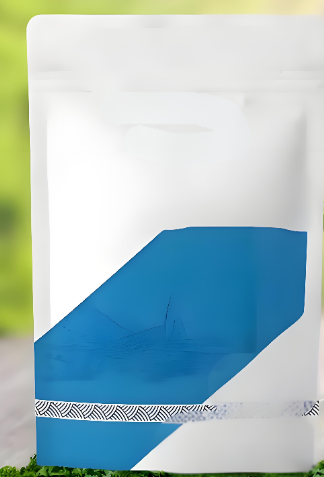



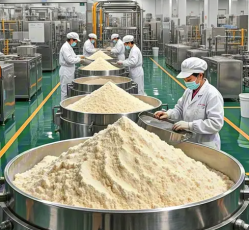
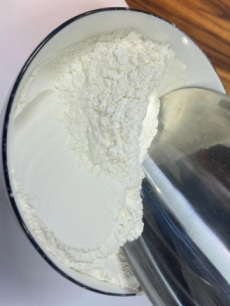
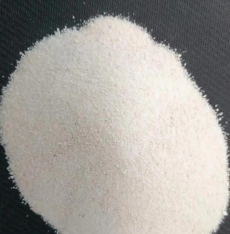
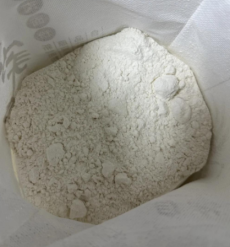
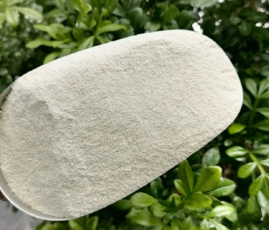
This anti-mold agent uses nano-modified montmorillonite as the core raw material, treated by nano-coating process, with a particle size of only 50nm, which can accurately match the molecular structure of mycotoxins in aquafeed and aquaculture water, achieving an adsorption rate of over 99.2% for aflatoxins, with 40% higher adsorption efficiency than traditional anti-mold agents. Its nano-scale particle size can be evenly dispersed in aquafeed and aquaculture water, will not block the aquaculture water filtration system, and will not accumulate toxins in aquatic animals, will not affect the quality and safety of aquatic products. The unique targeted adsorption mechanism only adsorbs harmful mycotoxins, without adsorbing beneficial nutrients such as fish oil and amino acids in aquafeed, solving the industry pain point of nutrient loss in aquafeed caused by traditional anti-mold agents.
The core active ingredient nano-modified montmorillonite content is ≥93%, the particle size is 50nm, the moisture content is ≤6%, the total heavy metals are ≤3ppm, the PH value is 7.0-7.5, the packaging is 10kg food-grade carton with aluminum foil lining, the storage condition is cool and dry place, the shelf life is 24 months, it meets the ISO22000 and aquaculture safety certification standards, can be directly added to aquafeed, the recommended dosage is 0.2%-0.4% per ton of feed, and can also be directly sprayed into aquaculture water, the recommended dosage is 100g per 1000 cubic meters of water.
It is mainly suitable for aquafeed processing plants, litopenaeus vannamei culture bases, salmon culture bases and ornamental fish breeding bases. It can be used for detoxification treatment of aquafeed, and can also be directly sprayed into aquaculture water to remove mycotoxins. Typical application scenarios include toxin prevention and control in aquaculture water in high-temperature seasons, compliance detoxification treatment of imported aquafeed, and water quality safety guarantee for ornamental fish breeding, helping aquaculture farmers reduce the incidence of hepatopancreas disease in shrimp and fish caused by toxins, improving the quality and yield of aquatic products.








 Post RFQ


 Chat
Chat


 ALL CATEGORIES