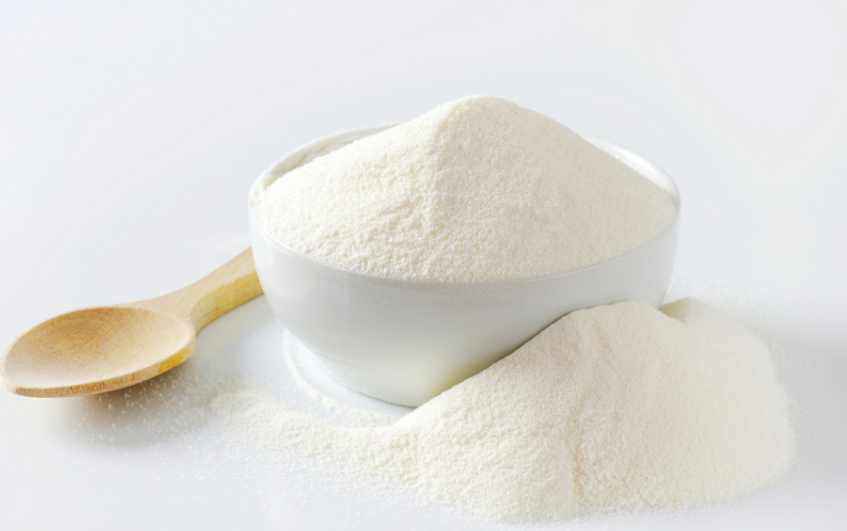
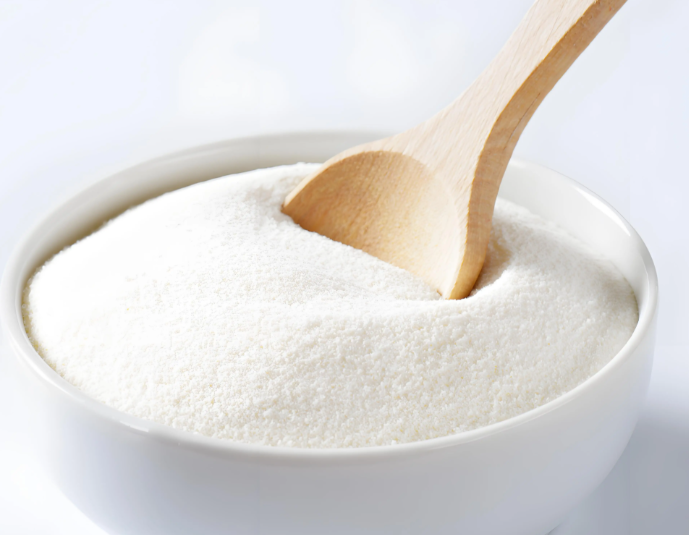



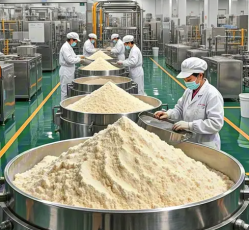
Its core advantage lies in the protein content of over 80% on a dry basis, with strictly controlled moisture and ash content to ensure product stability and safety. The low-temperature processing technology preserves the natural nutritional activity of rice protein, avoiding the destruction of amino acid structure caused by high temperature. Its essential amino acid ratio meets the FAO/WHO recommended standards, with a higher biological value than most plant-based protein sources. For food processing scenarios, it has good emulsification, foaming and gelation properties, which can improve product texture and taste, and solve the pain points of traditional plant proteins such as easy sensitization and poor flavor, providing food manufacturers with compliant and efficient protein addition solutions.
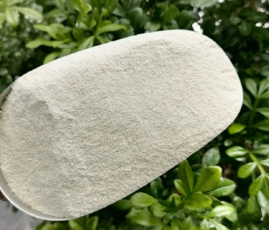
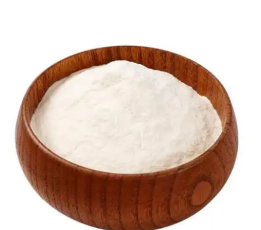
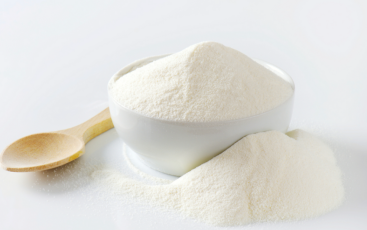
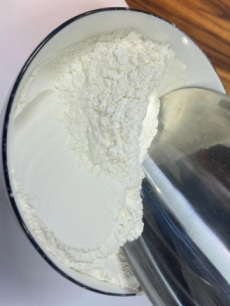
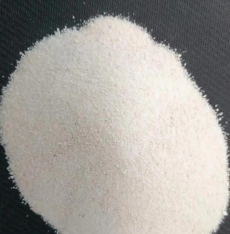
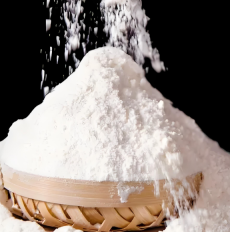
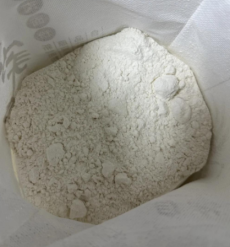
The single batch packaging specification is 25 Kilograms per Pallet. The powder is milky white to light yellow, odorless, with uniform particle size of over 120 mesh. The pH value of the 10% suspension is stable at 6.0-7.0, the protein content on dry basis is not less than 80%, the moisture is controlled within 6%, the ash content is no more than 2%, and the fat content is no higher than 1%. It complies with relevant national standards for food additives and nutritional fortifiers, and can be directly used in food formula blending or as a raw material for dietary supplements.
It is suitable for sports nutrition supplements, vegetarian meal replacement powders, infant complementary foods, baked bread and pastries, high-protein beverages, meat product improvers and other scenarios. In the field of sports nutrition, it can be used as a plant-based alternative to whey protein to meet the protein needs of fitness groups; in food processing, it can increase the protein content of products and improve the looseness and softness and taste of bread; at the same time, it is suitable for gluten-free food production for gluten-sensitive groups, filling the raw material gap of high-end gluten-free protein foods.







 Post RFQ


 Chat
Chat


 ALL CATEGORIES