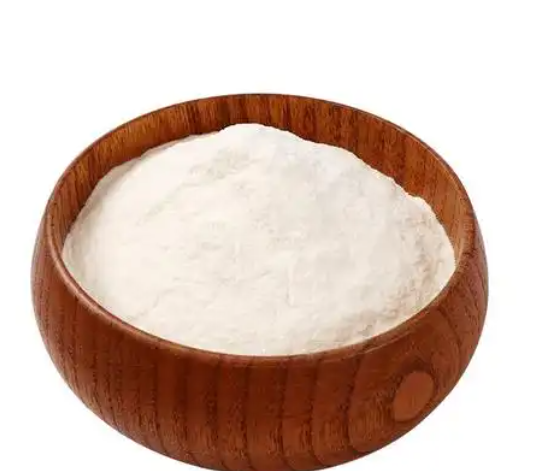
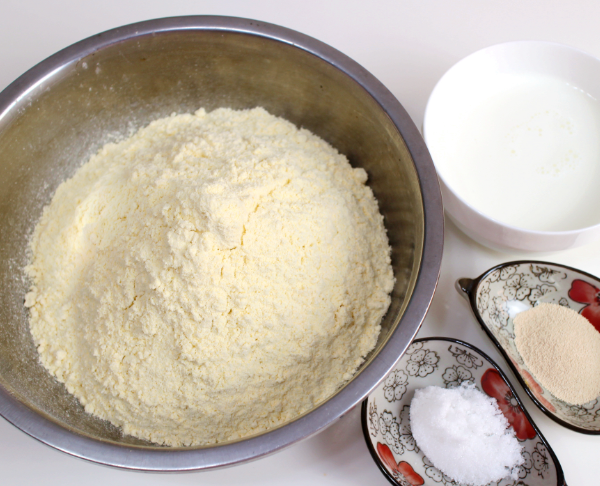


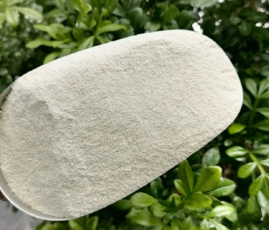
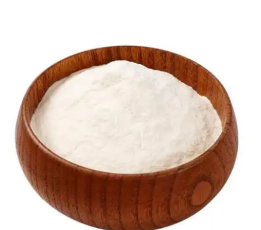
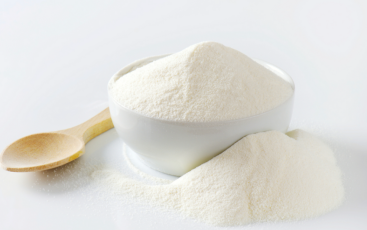
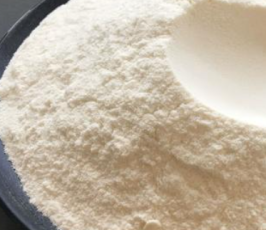

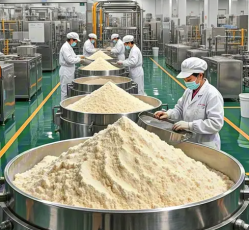
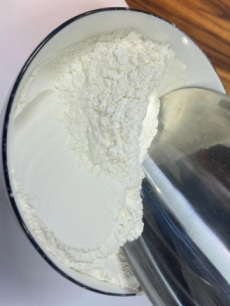
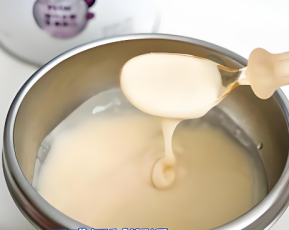
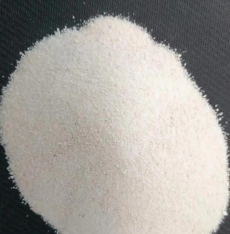
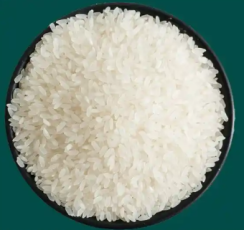
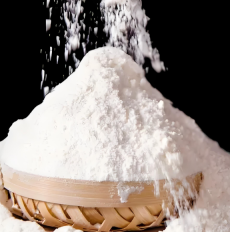
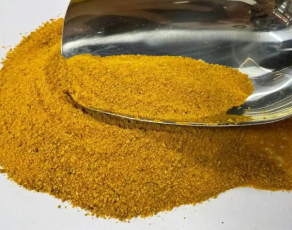
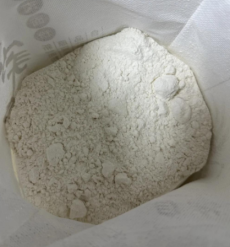
This product uses patented puffing pretreatment technology to modify the macromolecular structure of rice protein, improving its stability in high-temperature baking environments, avoiding rough taste caused by protein denaturation. The puffed product has a loose tissue structure, which can improve the softness and taste of products when added to baked goods, without affecting the color and flavor of food. The product has uniform particle size and good solubility, which can be quickly dispersed into dough and slurry, improving the protein content of food. Compared with traditional rice protein powder, it has stronger water absorption and oil retention, which can improve the texture and shelf life of food, and has passed ISO22000 and Halal certifications, meeting the compliance requirements of different markets, providing high-quality high-protein raw material options for baking enterprises.
The technical parameters of this product are as follows: dry basis protein content ≥70%, puffing degree ≥1.5 times, moisture content ≤7.0%, ash content ≤3.2%, crude fat content ≤1.2%, pH value of 10% aqueous solution is 6.0-7.0, solubility ≥85% when stirred for 4 minutes at 25℃, particle size is 100-150 mesh, heavy metal content of Pb, As and Cd are all ≤0.1mg/kg, total bacterial count ≤1000cfu/g, coliform bacteria not detected. The standard packaging is 25kg food-grade PE bag, the shelf life is 18 months, and the storage condition is a cool and dry place away from direct sunlight and high-temperature environment.
This product is suitable for scenarios such as high-protein bread, biscuits, meal replacement bars, energy balls and leisure snacks. It is especially suitable for food brands focusing on high-protein and healthy snacks, such as fitness meal replacement bar manufacturers, high-protein bread production lines in bakeries, and protein snack products in leisure snack processing plants. It can improve the nutritional density of products, improve the taste and texture of food, solving the industry pain point that traditional protein raw materials lead to rough taste and difficult forming in baking.








 Post RFQ


 Chat
Chat


 ALL CATEGORIES