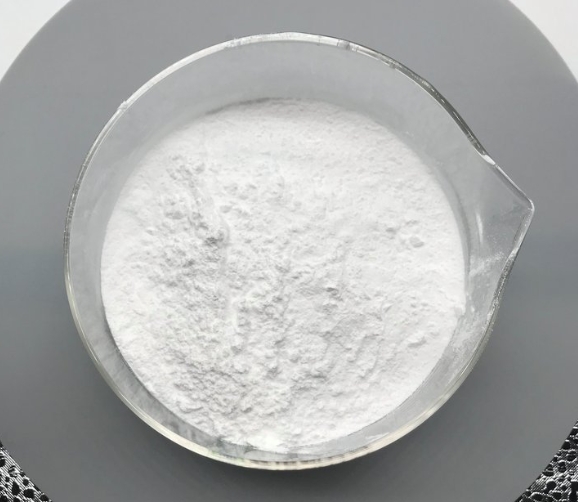


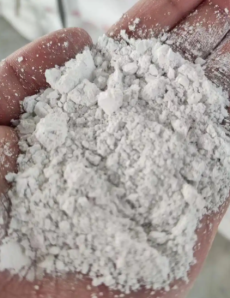
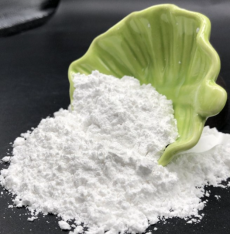
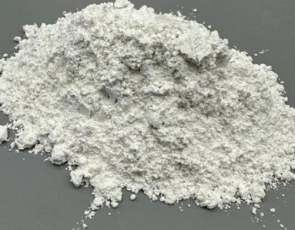
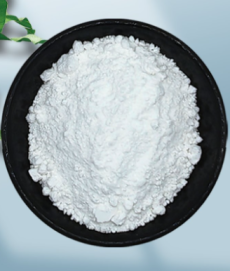

It adopts low-temperature crystallization and multi-stage membrane separation purification process to control metal impurities at ppm level, avoiding internal resistance rise caused by electrode plate erosion from impurities. The customized particle size regulation technology adapts to the mixing process of cathode materials and improves material dispersion. It passes MSDS and REACH certifications, meeting the environmental protection requirements of the global power battery supply chain. It can adjust particle size and purity according to customer needs, solving the customized demand pain points of different battery manufacturers and greatly reducing the impurity risk in battery production.
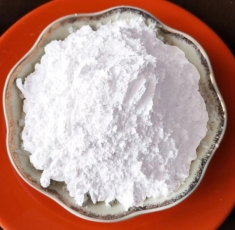
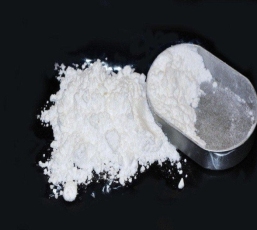
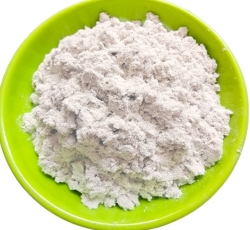
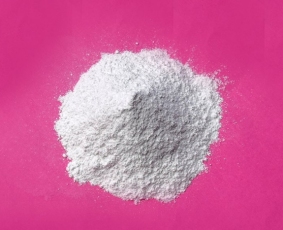
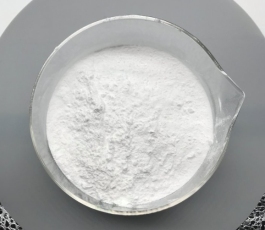
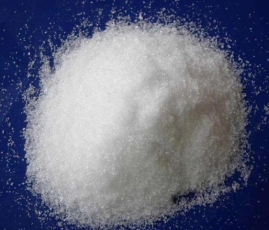
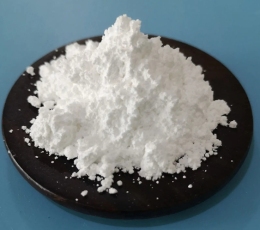
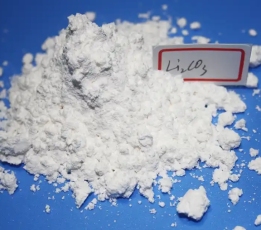
Purity minimum 99.99% (Li2CO3 basis), Particle size distribution D10=3-5μm, D50=10-15μm, D90=25-30μm, Iron (Fe) impurity ≤5ppm, Sodium (Na) impurity ≤3ppm, Calcium (Ca) impurity ≤2ppm, Moisture content ≤0.1% by weight, Bulk density 0.8-1.2 g/cm³, Packing specification: 25kg food-grade HDPE drum with inner plastic bag, Storage condition: Cool, dry, ventilated warehouse, away from acid and alkali substances, Shelf life: 2 years.
It is mainly used for the synthesis of cathode materials for lithium iron phosphate, nickel-cobalt-manganese ternary and nickel-cobalt-aluminum ternary power batteries, and can also be used for the production of energy storage batteries for large-capacity energy storage power stations. It adapts to new energy vehicle整车厂, energy storage system integrators and cathode material OEM enterprises, and can also be used as a flux additive for special ceramics, serving the upstream and downstream links of the global new energy industry chain.









 Post RFQ


 Chat
Chat


 ALL CATEGORIES