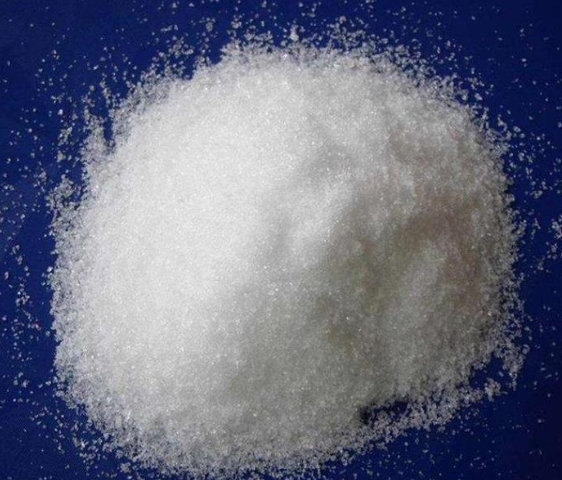



Adopting in-situ alumina coating technology, a uniform dense protective film is formed on the surface of lithium carbonate particles, which can inhibit the side reaction between cathode materials and electrolyte, reduce the capacity attenuation rate of batteries, and increase the cycle life by more than 20%. Compared with unmodified lithium carbonate, the moisture absorption rate of this product is reduced by 65%, which can maintain stable product performance in humid environments. The particle size distribution is uniform, and the coating layer thickness is controllable, which can accurately adapt to the production process requirements of high-nickel ternary materials. It is accompanied by a detailed coating rate test report to ensure the consistency of each batch of products.
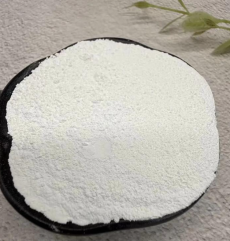
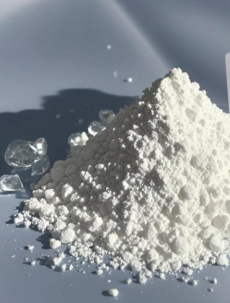
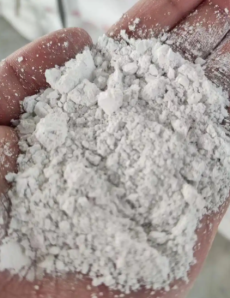
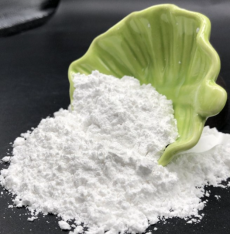
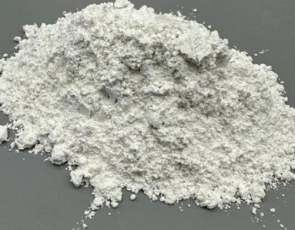
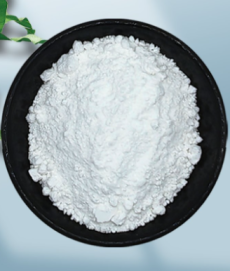
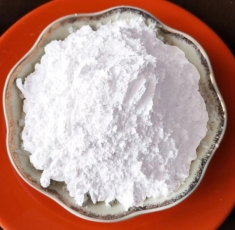
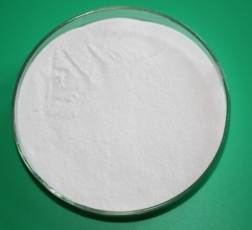
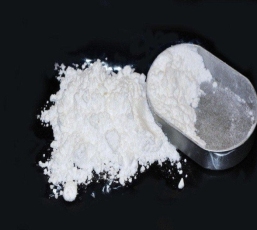
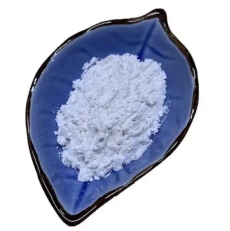
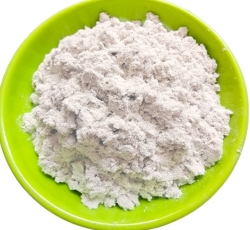
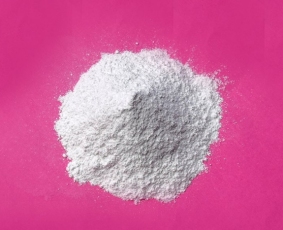
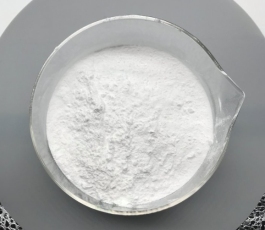
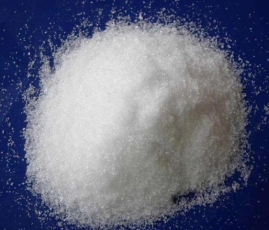
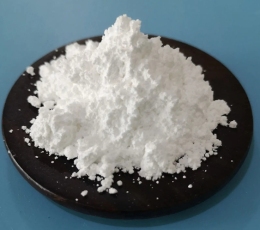
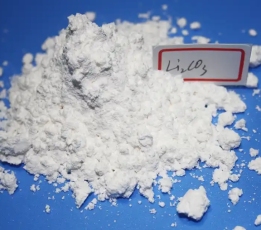
It appears as white slightly yellow crystalline powder, with Li₂CO₃ content not less than 99.95%, alumina coating rate 1.2-1.5%, Na≤8ppm, Ca≤2ppm, Fe≤1ppm, SO₄²⁻≤30ppm, Cl⁻≤15ppm, moisture ≤0.04%, bulk density 0.9-1.3g/cm³, D50 particle size range 12-18μm. It is packaged in 50kg food-grade steel drums lined with PE film, stored in a cool and dry place, with a melting point of 618℃ and a relative density of 2.12g/cm³.
It is mainly used in the production of high-nickel ternary lithium batteries (NCM811, NCA) cathode materials, improving the cycle life and safety performance of batteries; used for the production of lithium source precursors for solid-state batteries; used for the production of fast-charging batteries for high-end consumer electronics, adapting to the raw material standards of power batteries of new energy vehicle enterprises such as Tesla and NIO.









 Post RFQ


 Chat
Chat


 ALL CATEGORIES