


Using self-developed low-temperature crystallization purification technology, it reduces energy consumption by 32% compared with traditional distillation processes, while controlling impurities below the ppb level, solving the problem of lithium precipitation in batteries caused by trace impurities in ordinary high-purity lithium carbonate. It adopts a traceable packaging system, and each batch of products is accompanied by a third-party test report, adapting to the IATF16949 quality system requirements of the power battery industry. The uniform particle size distribution enables uniform mixing with cathode material precursors, reducing agglomeration problems during production and improving the consistency of cathode materials.
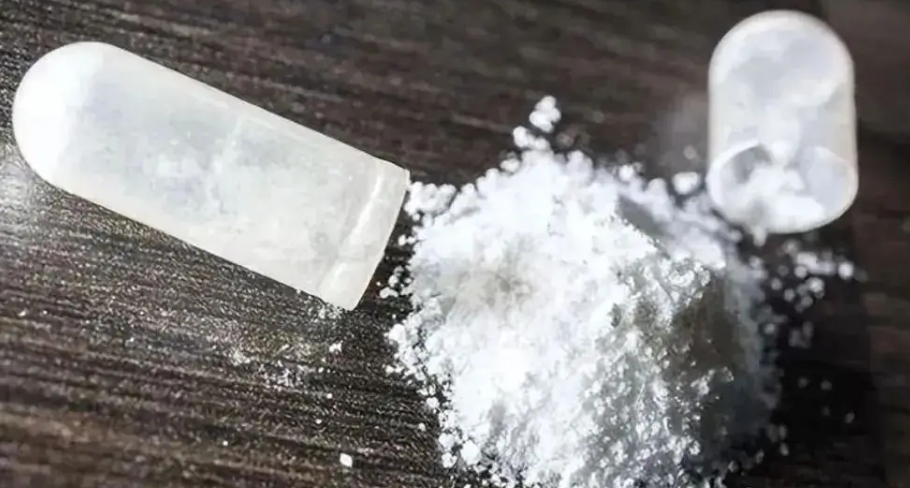
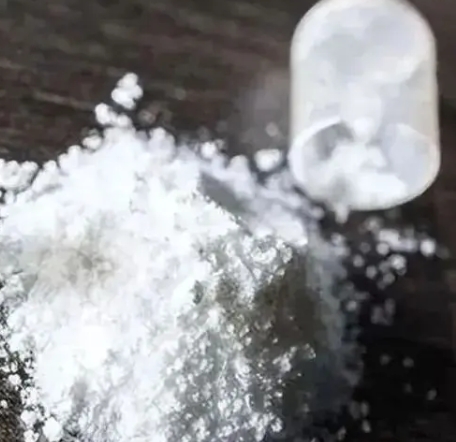
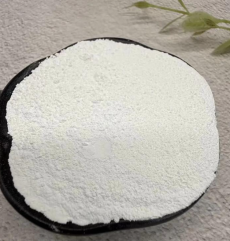
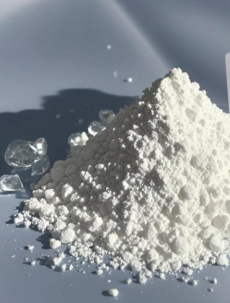
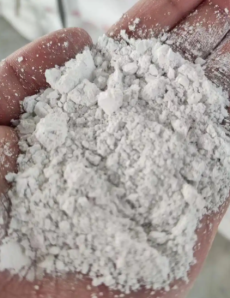
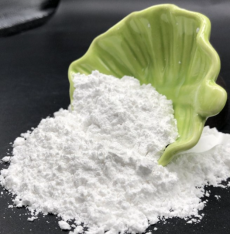
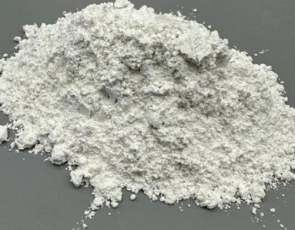
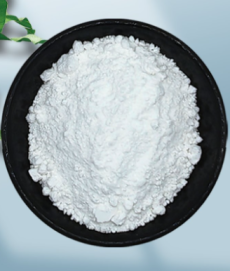
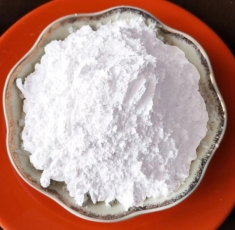
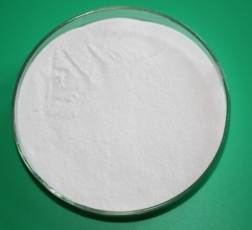
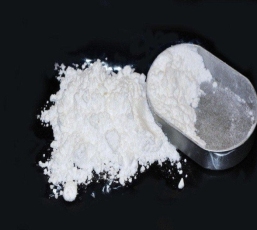
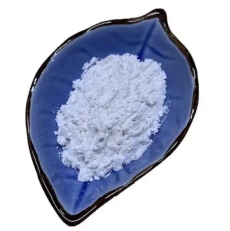
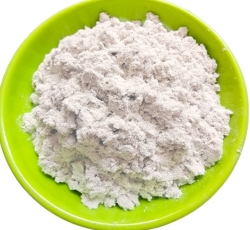
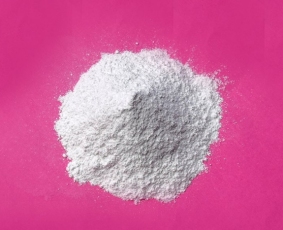
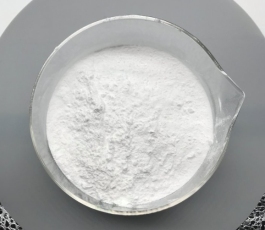
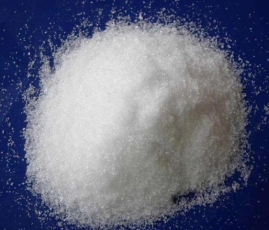
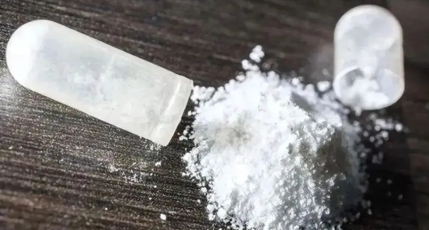
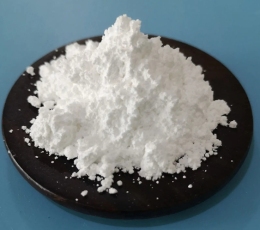
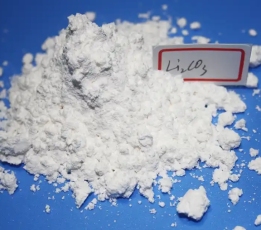
It appears as white crystalline powder, with Li₂CO₃ content not less than 99.99%, Na≤10ppm, K≤5ppm, Ca≤3ppm, Fe≤2ppm, SO₄²⁻≤50ppm, Cl⁻≤20ppm, moisture ≤0.05%, bulk density 0.8-1.2g/cm³, D50 particle size range 10-15μm. It is packaged in 50kg food-grade steel drums lined with PE film, stored in a cool and dry place, avoiding contact with acidic substances, with a melting point of 618℃ and a relative density of 2.11g/cm³.
It is mainly used in the production of cathode materials for power batteries such as new energy vehicle ternary lithium batteries and lithium iron phosphate batteries, assembly of energy storage battery modules for energy storage power stations, and production of electrolyte additives for high-end consumer electronics lithium batteries. It adapts to the raw material procurement standards of leading lithium battery enterprises such as CATL and BYD, and can also be used for the preparation of lithium source precursors for solid-state batteries.









 Post RFQ


 Chat
Chat


 ALL CATEGORIES