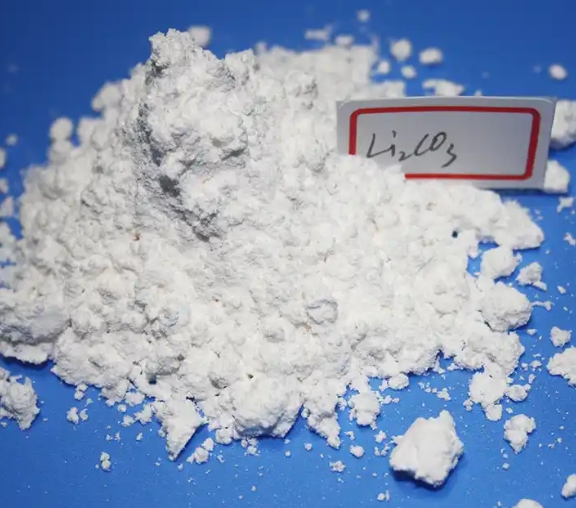
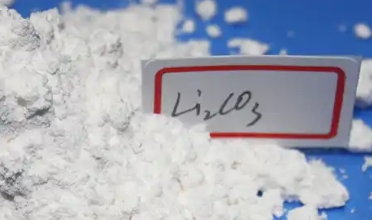


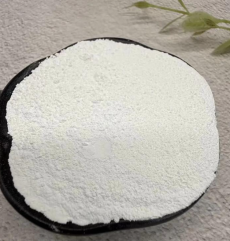
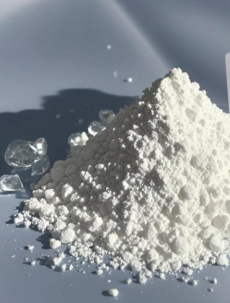
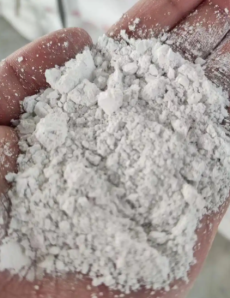
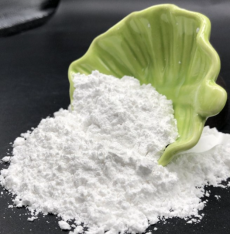
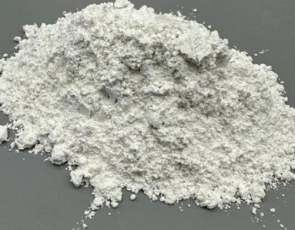
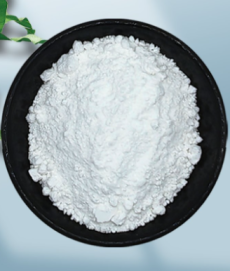

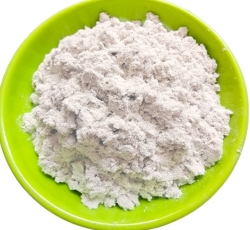
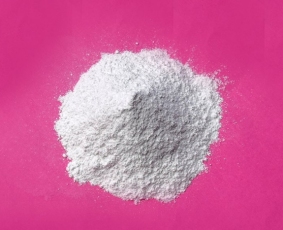
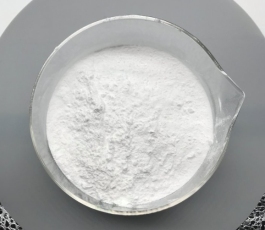
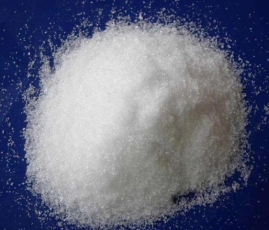
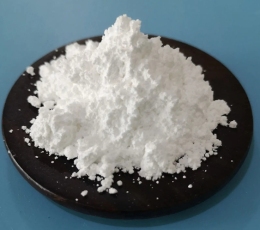
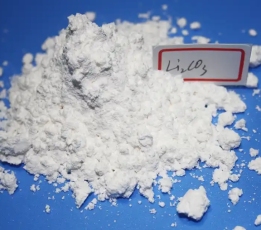
The core advantage of this product is its excellent surface modification effect, with a silane coupling agent coating on the surface of the particles, which improves the compatibility with polypropylene, polyethylene and other polymer materials by more than 40%. The ultra-fine particle size of 3-7μm improves the filling efficiency of the composite material, reducing the addition amount while improving the performance. It also improves the thermal conductivity of the composite material by more than 30% and increases the limiting oxygen index (LOI) by more than 12%, improving the flame retardant performance of the material. In addition, it meets the REACH environmental protection standards and provides complete product performance test reports.
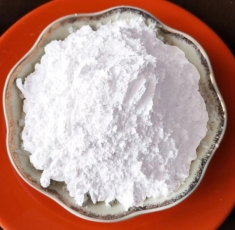
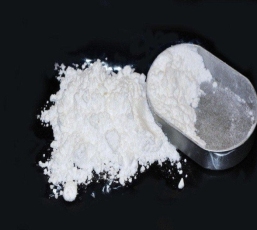
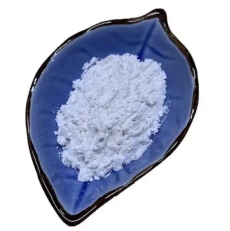
This silane-modified lithium carbonate has the following detailed specifications: Modification Type: Silane coupling agent KH550 modified, modification amount 1.2-1.5%; Purity: 99.8%; Particle Size: D50 3-7μm; Moisture Content: ≤0.05%; Oil Absorption: ≤20g/100g; Thermal Decomposition Temperature: ≥600°C; Compatibility: Suitable for polypropylene, polyethylene, ABS resin and other polymer materials; Impurity Content: ≤10ppm; Packaging: 500kg food-grade jumbo bags with pallet reinforcement; Storage Conditions: Store in a dry, ventilated warehouse, avoid contact with strong acids and alkalis; Compliance Standards: Meet REACH environmental protection requirements.
This product is mainly applicable to the following scenarios: 1. New energy vehicle lightweight composite materials: used in the production of automotive body panels, battery pack shells and other lightweight components to improve the thermal conductivity and flame retardant performance of the materials; 2. Electronic equipment thermal management composite materials: applied to the production of heat sinks, heat conduction pads and other thermal management components to improve the heat dissipation efficiency of electronic equipment; 3. Flame retardant polymer materials: used in the production of wires, cables and other flame retardant products to improve the flame retardant performance of the materials; 4. Special rubber modification: used in the production of high-temperature resistant rubber products to improve the thermal stability and mechanical properties of the rubber. It can also be used in the production of advanced composite materials for aerospace and other high-end fields.









 Post RFQ


 Chat
Chat


 ALL CATEGORIES