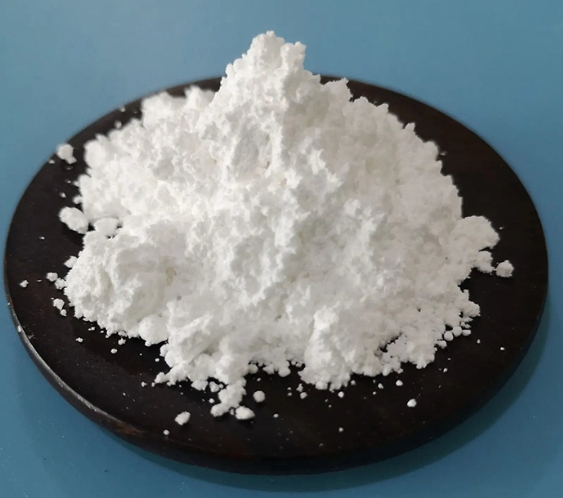



The core advantage of this product is its low carbon footprint, with CO2 emissions reduced by 70% compared with virgin lithium carbonate, effectively helping enterprises reduce their carbon emission costs. The advanced recycling process ensures that the impurity content is strictly controlled, meeting the quality requirements of battery-grade lithium carbonate, and is fully compatible with existing cathode material production processes without additional equipment transformation. It also provides complete recycling traceability reports and third-party quality inspection reports, ensuring the reliability and sustainability of the product. In addition, it meets the ISO 14001 environmental management system standards and R2 recycling industry standards.
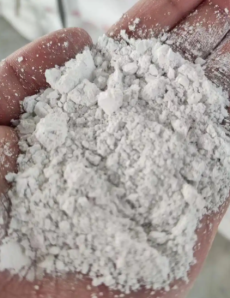
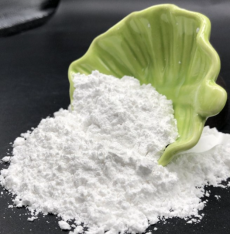
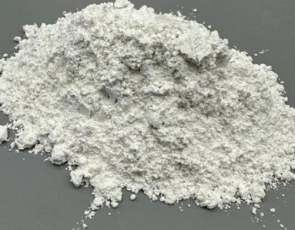
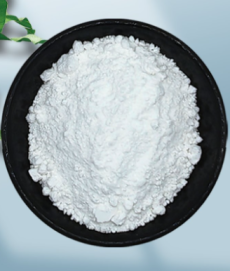
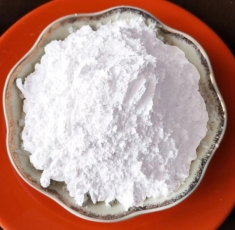
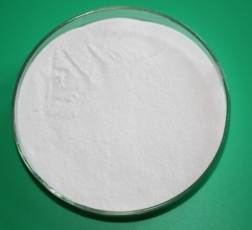
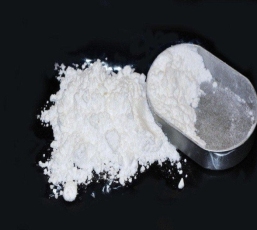
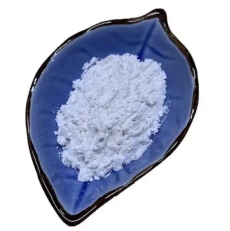
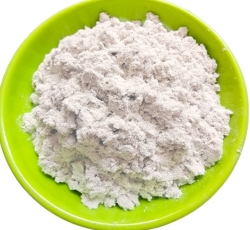
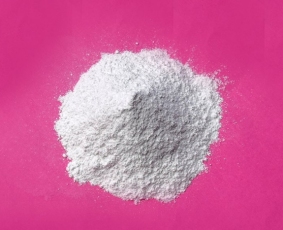
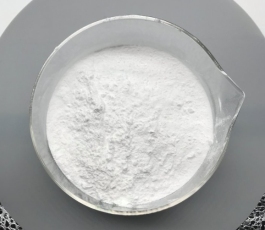
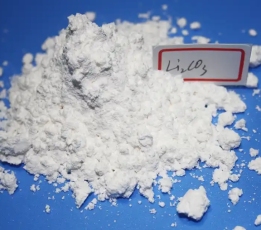
This recycled battery-grade lithium carbonate has the following detailed specifications: Purity: 99.9%; Particle Size: D50 5-12μm; Moisture Content: ≤0.05%; Impurity Content: Cu≤1ppm, Al≤2ppm, Ni≤5ppm, Co≤3ppm, Fe≤3ppm; Recycling Source: 100% from retired power lithium-ion batteries; Packaging: 1000kg food-grade jumbo bags with pallet reinforcement; Storage Conditions: Store in a dry, ventilated warehouse at a temperature below 30°C, avoid direct sunlight and moisture; Compliance Standards: Meet GB/T 10205-2019, ISO 14001 and R2 certified standards; Carbon Emission: 70% lower than virgin lithium carbonate production.
This product is mainly applicable to the following scenarios: 1. New energy vehicle power batteries: used as a raw material for cathode materials of pure electric vehicles and hybrid vehicles, reducing the carbon footprint of the battery supply chain; 2. Energy storage batteries: applied to grid energy storage and home energy storage systems to provide sustainable raw material support; 3. Consumer electronics batteries: used in the production of small lithium-ion batteries for electronic products; 4. Recycling industry supply chain: supplied to battery material manufacturers that require sustainable raw materials to meet their low-carbon production goals. It can also be used in the production of other lithium-based new energy materials.








 Post RFQ


 Chat
Chat


 ALL CATEGORIES