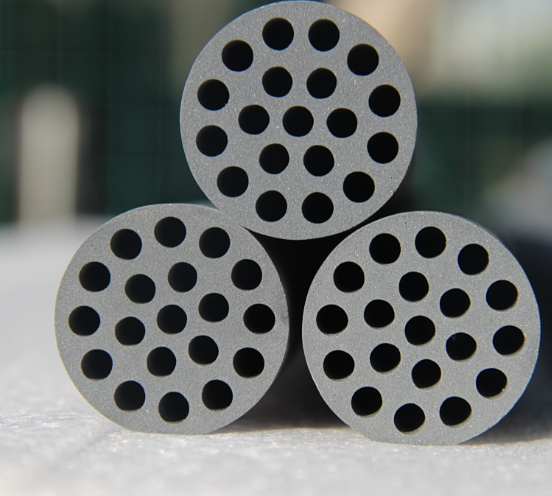
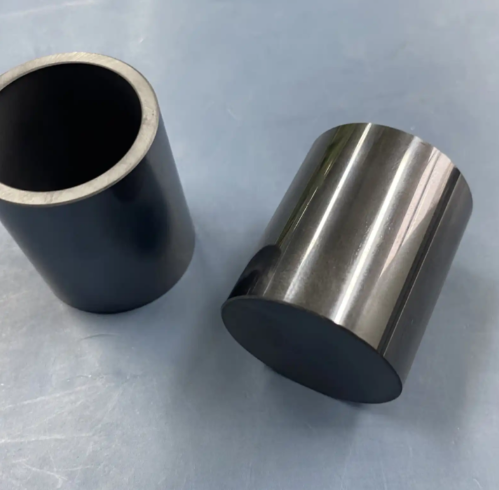





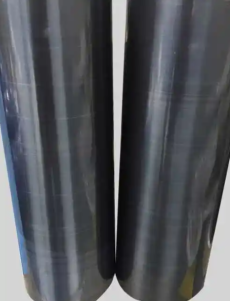
The core advantage of this prepreg is its ultra-high temperature resistance and excellent mechanical properties at high temperatures. The SiC fiber has a melting point of more than 2000℃, and the polycarbosilane resin can be converted into a ceramic matrix after pyrolysis, forming a dense composite structure. Compared with traditional metal high-temperature materials, it has lighter weight and better corrosion resistance, and can reduce the maintenance cost of high-temperature equipment. The REACH certified environmental protection standard ensures that it meets the environmental protection requirements of industrial products.
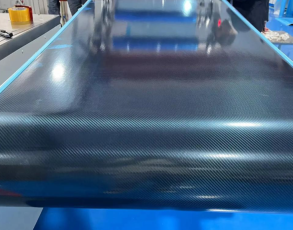
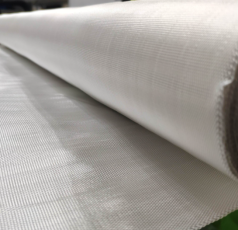
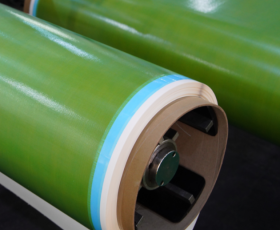
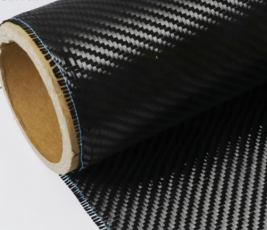
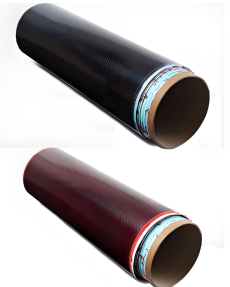
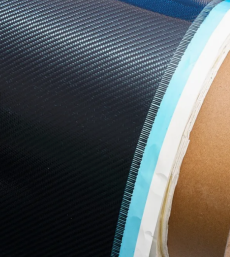
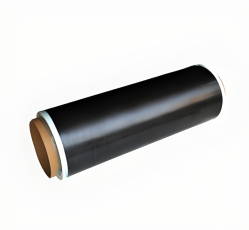
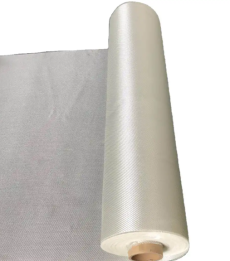
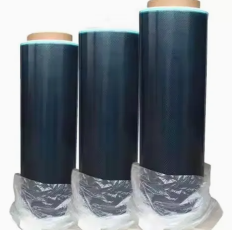
Fiber type: SiC continuous ceramic fiber (1000 filiments tow); Resin system: Polycarbosilane PCS precursor resin; Areal density: 220±10 g/㎡; Resin content: 30±2%; Tensile strength: 3000 MPa; Tensile modulus: 400 GPa; Curing process: 150℃ heat preservation for 1 hour, then pyrolyzed at 1200℃ in argon atmosphere for 2 hours; Width range: 500mm, 800mm, 1000mm customizable; Storage conditions: Stored in a dry and cool place at room temperature; Storage period: 12 months; Certification standards: REACH, AS9100; Packaging form: Vacuum packaging, each roll is 50-200 meters long.
It is mainly used in aerospace turbine blades, rocket engine nozzles, nuclear power plant high-temperature components, high-temperature industrial furnaces and thermal protection systems for spacecraft. In the aerospace field, it can withstand the high temperature and high pressure environment generated during the flight of the aircraft, ensuring the safe operation of the equipment; in the industrial field, it can improve the working efficiency of high-temperature equipment and reduce the replacement frequency of components. It is also suitable for the manufacture of high-temperature sensor protection shells and other high-end components.







 Post RFQ


 Chat
Chat


 ALL CATEGORIES