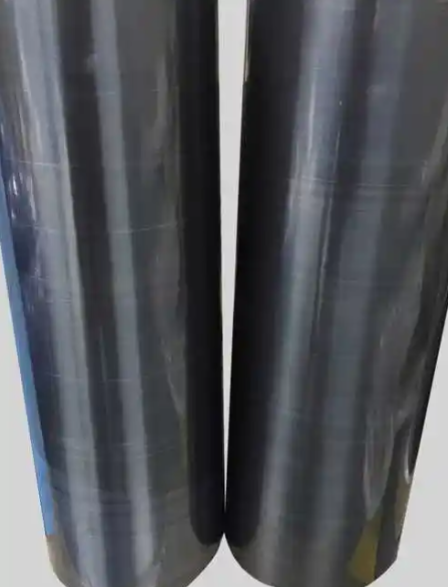
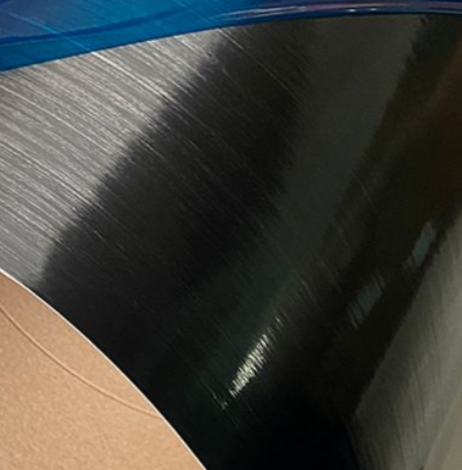





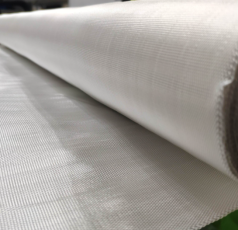
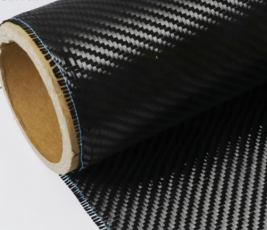
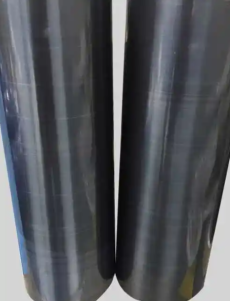
The core advantage of T700 unidirectional carbon fiber prepreg lies in its precise fiber arrangement and resin wettability control. It adopts unidirectional layup design to maximize the tensile strength in the fiber direction, and the resin content is stabilized at 35±2%, avoiding the problems of increased weight due to excessive resin or insufficient interlayer bonding force due to too little resin. The EP2500 epoxy system used has excellent weather resistance and fatigue resistance, and can be used stably for a long time in the environment of -60℃~120℃, adapting to the stringent environmental requirements of the aerospace field. Compared with traditional aluminum alloy materials, the components formed by this prepreg can reduce the weight by more than 40% while increasing the strength by 2 times, effectively helping customers achieve lightweight design goals, and the storage conditions are controllable, which can be stored for 6 months at -18℃, facilitating large-scale production and stock preparation.
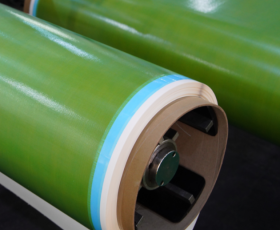
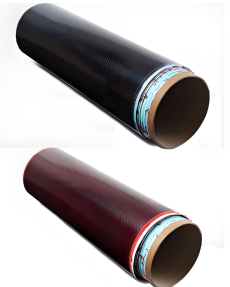
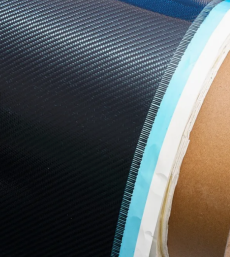
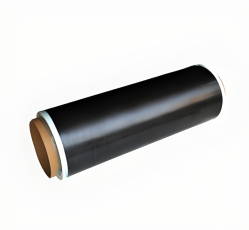
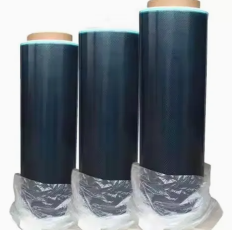
Fiber type: T700 12K high-strength carbon fiber bundle; Resin system: EP2500 bisphenol A epoxy resin; Areal density: 190±10 g/㎡; Resin content: 35±2%; Tensile strength: 4900 MPa (along fiber direction); Tensile modulus: 230 GPa (along fiber direction); Curing process: 120℃ heat preservation for 2 hours, pressure 0.5-0.7 MPa; Width range: 1000mm, 1200mm, 1500mm customizable; Storage conditions: Frozen storage at -18℃; Storage period: 6 months; Certification standards: ROHS 2.0, ISO9001; Packaging form: Moisture-proof aluminum foil bag packaging, roll length: 100-500m customizable.
It is mainly used in aerospace field such as aircraft wing skins, empennage structural parts, satellite structural brackets, high-end sports equipment such as carbon fiber bicycle frames, golf club shafts, and lightweight transmission parts of high-end industrial automation equipment. Its excellent specific strength and corrosion resistance make it more suitable for use in complex working conditions than traditional metal materials, helping equipment manufacturers reduce the overall weight of the machine, improve operating efficiency, and reduce maintenance costs in long-term use.







 Post RFQ


 Chat
Chat


 ALL CATEGORIES