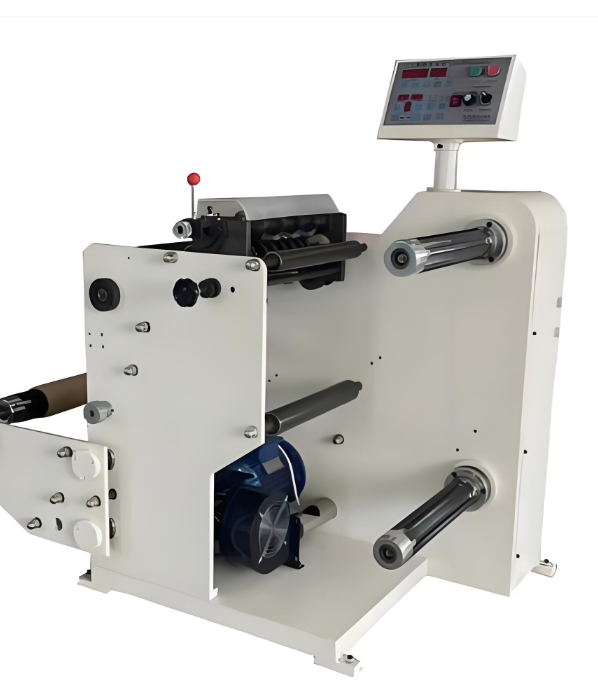
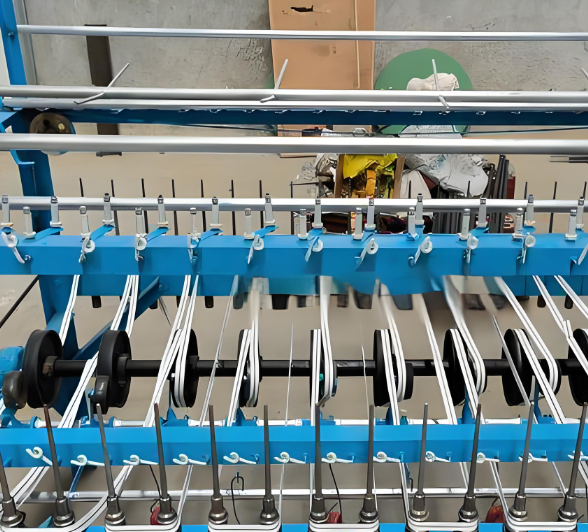


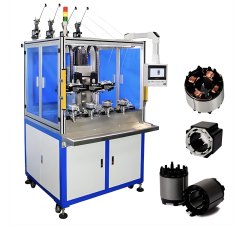
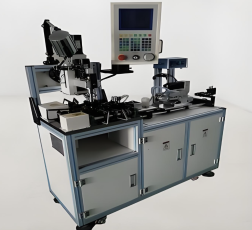
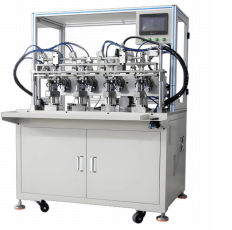
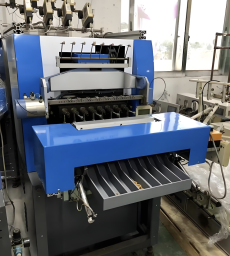

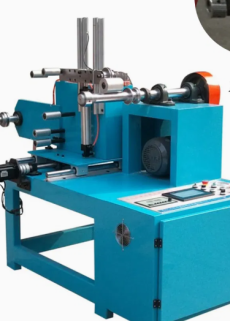
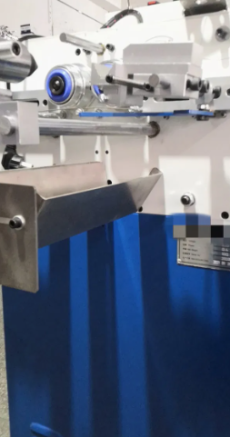
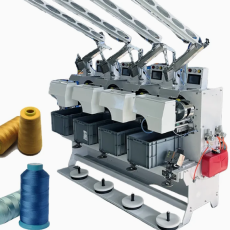
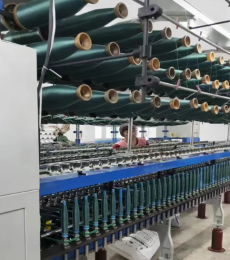
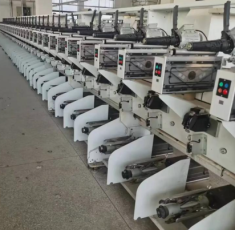
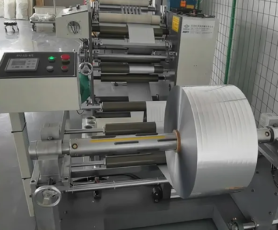
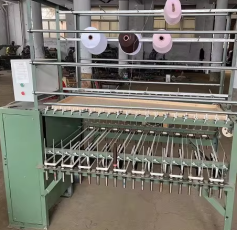
This desktop mini weft winding machine features a compact and lightweight design, with a total weight of only 45kg and a desktop size of 500×400×600mm, making it easy to move and place. It supports dual voltage input of 110V and 220V, adapting to different power supply environments in various regions. The spring tension adjustment system ensures that the yarn winding density is uniform, reducing the occurrence of yarn tangles and breakage during the winding process. The maximum winding speed reaches 150m/min, which is 5 times faster than manual winding, effectively improving the efficiency of small-batch production. The aluminum alloy shell has good corrosion resistance and wear resistance, ensuring long-term stable operation. The equipment is equipped with a simple manual feeding mechanism, reducing the labor intensity of operators during the winding process. It is an ideal choice for small-batch experimental production and creative textile processing.
The overall dimensions of this machine are 500mm (length) × 400mm (width) × 600mm (height), which can be easily placed on standard office or workshop workbenches. The net weight is 45kg, and it supports universal 110V/220V 50/60Hz power supply, compatible with most power grids around the world. The rated power is 0.8kW, with low energy consumption and low operating costs. The maximum spool capacity is 0.5kg, adapting to small-scale yarn spool specifications for experimental and creative production. The winding tension adopts spring adjustment mode, with an adjustable range of 0.5-2g, meeting the basic winding quality requirements of most small-batch yarns. The equipment is equipped with a manual switch control panel, which is simple and intuitive to operate, and is equipped with an emergency stop button to ensure operation safety.
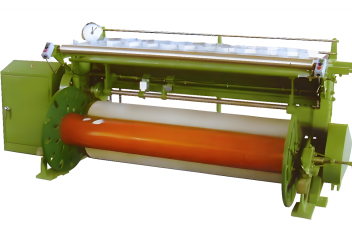
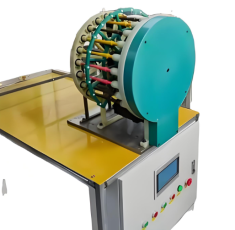
This equipment is mainly applicable to textile testing laboratories, school textile teaching courses, small handicraft workshops, individual creative textile designers, and personalized clothing processing studios. Typical application scenarios include experimental winding of yarns for textile material testing, small-batch winding of wool yarn for hand-knitted clothing, polyester filament yarn for handmade fabric production, and cotton yarn for personalized embroidery processing. It can be used as supporting equipment for small spinning machines and weaving machines, forming a simple and efficient small-scale textile production line, helping creative designers and small workshops quickly complete experimental and small-batch production tasks.








 Post RFQ


 Chat
Chat


 ALL CATEGORIES