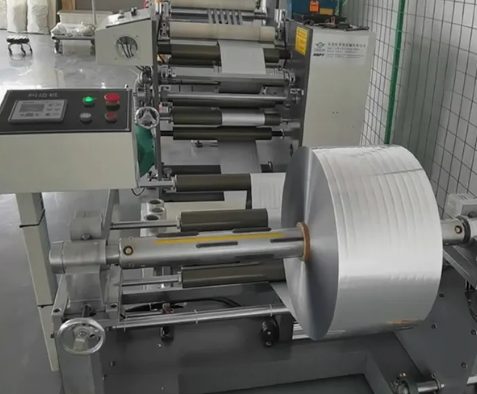
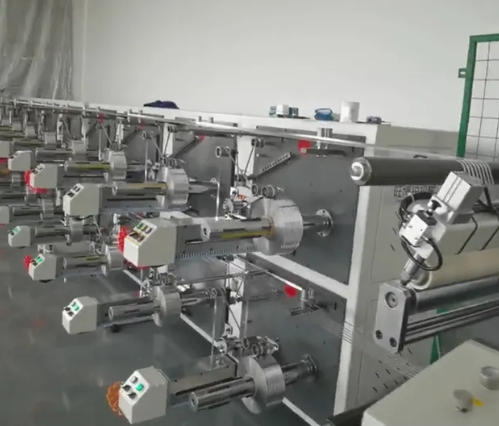


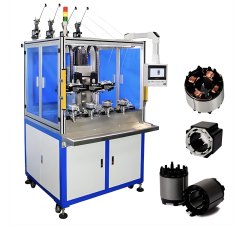
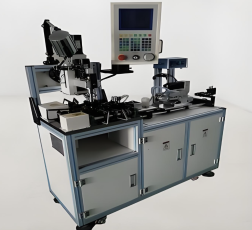
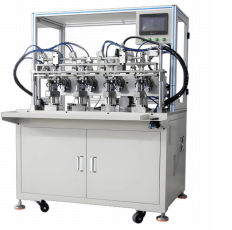
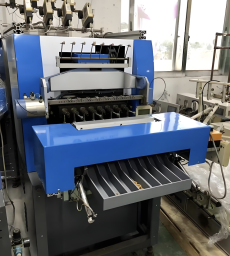

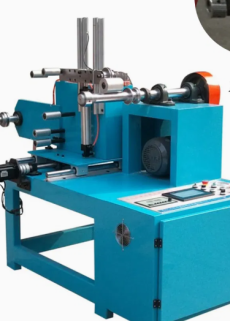
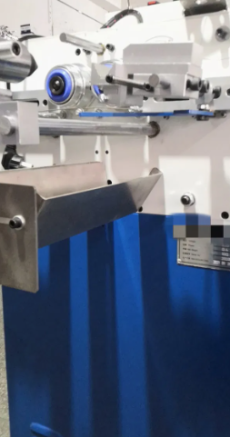
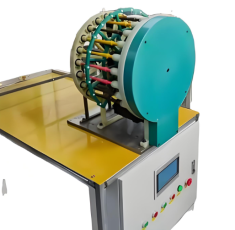
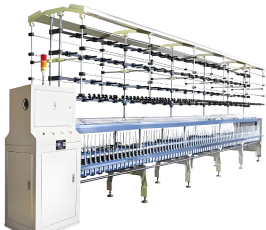
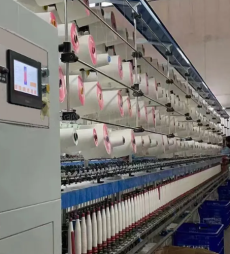
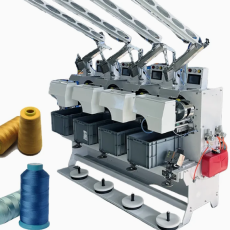
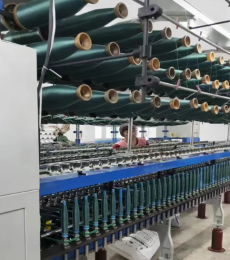
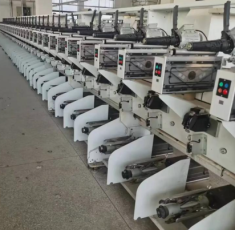
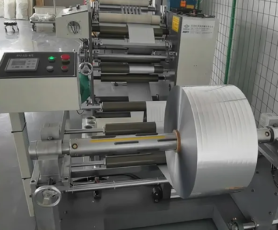
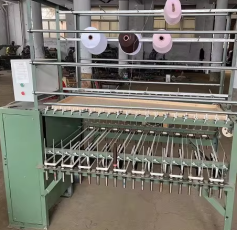
It adopts variable frequency speed regulation drive system, which can flexibly adjust the winding speed within the range of 900-1200m/min. Compared with fixed-speed winding machines, it can adjust energy consumption according to yarn material and operation volume, with overall power consumption reduced by more than 25%. It is equipped with a PLC control system that can realize automated winding, yarn breakage detection, parking and other processes. The pneumatic automatic tension regulator can stably control the winding tension and avoid yarn damage. The cast iron body with anti-rust coating has higher durability. It is equipped with multiple protection devices such as overcurrent and overvoltage to ensure operation safety, and the operation interface is simple and easy to understand, without complicated training to use.
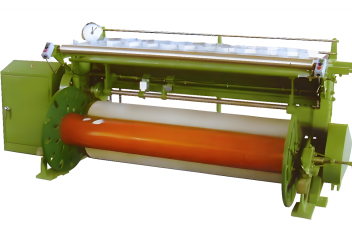
The detailed parameters include a winding speed of 900-1200 meters per minute (variable frequency adjustable), applicable yarn count range of 15-70 Ne, power supply specification of 380V 50Hz or 440V 60Hz, total machine weight of 280kg, overall dimensions of 1600mm (length) × 1000mm (width) × 1700mm (height), supporting bobbin length of 120-220mm, adopting precision cross winding forming method, equipped with photoelectric + pressure tension dual-mode yarn breakage detection system, pneumatic automatic tension regulator, the body adopts cast iron frame with anti-rust spraying treatment, adopting variable frequency speed regulation drive system, with overcurrent, overvoltage and overload protection functions, with overall power consumption reduced by 25% compared with similar equipment.
It is mainly suitable for medium-sized cotton mills, knitted fabric factories, towel weaving mills, garment fabric production enterprises and other scenarios. It can be used for large-scale mass production of weft yarn winding operations for conventional textile yarns. The variable frequency speed regulation feature enables it to adapt to different batches of yarns and different specifications of bobbins, flexibly adjusting production parameters, reducing enterprise energy consumption costs while ensuring production efficiency, and improving production benefits.








 Post RFQ


 Chat
Chat


 ALL CATEGORIES