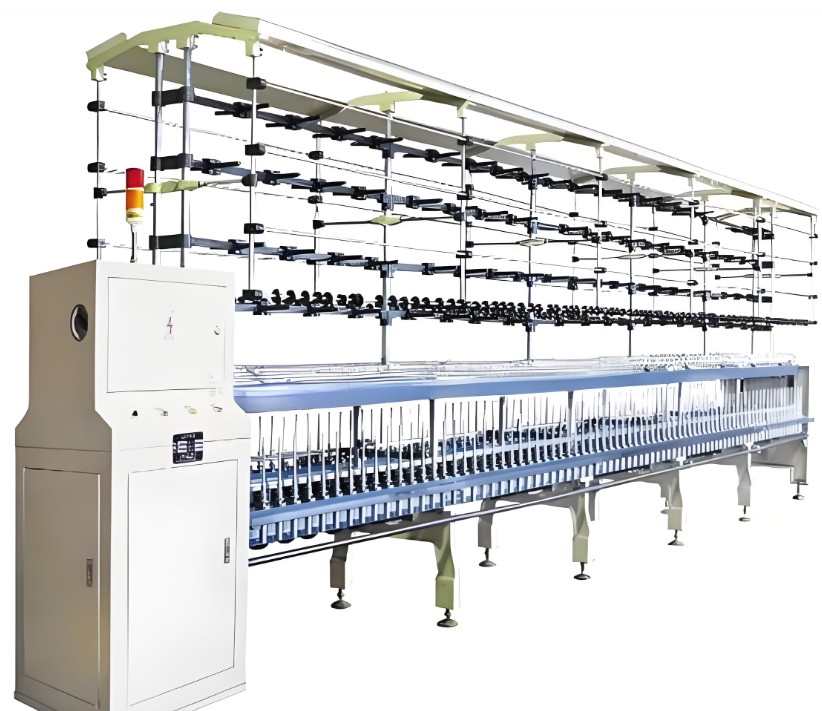
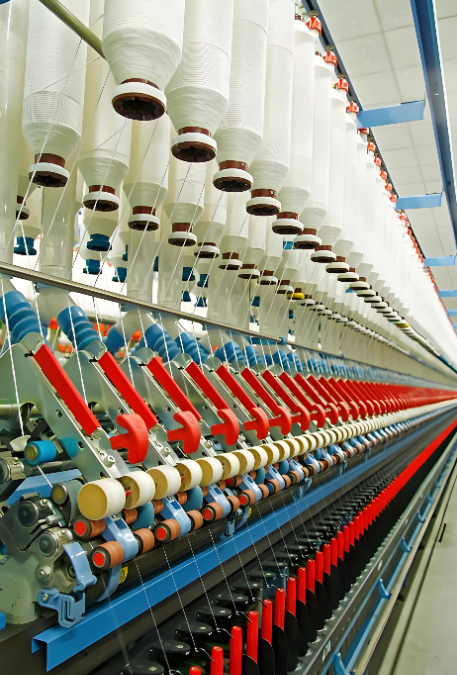


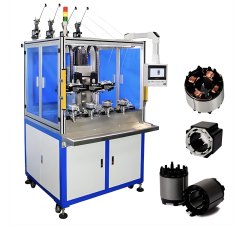
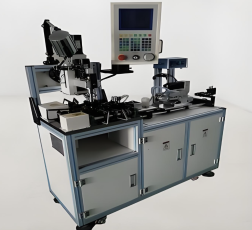
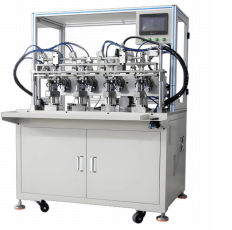
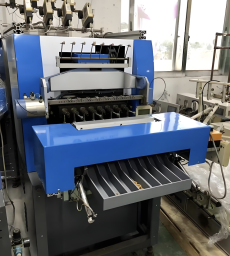

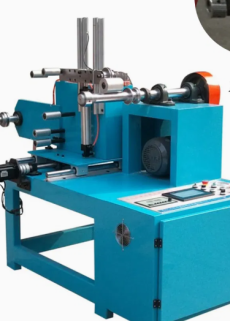
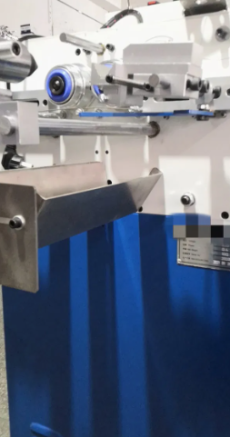
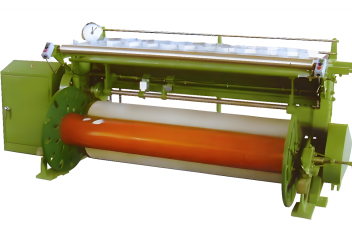
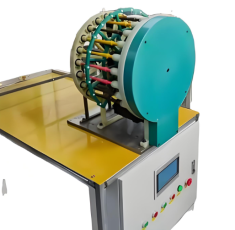
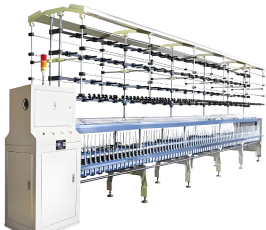
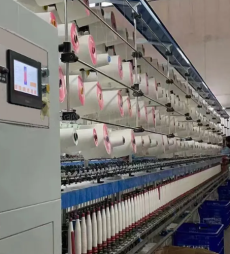
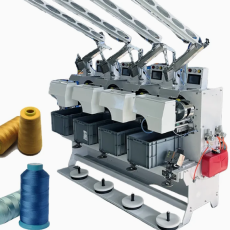
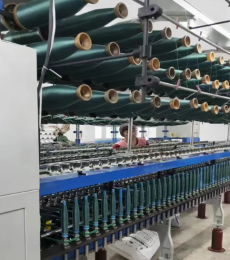
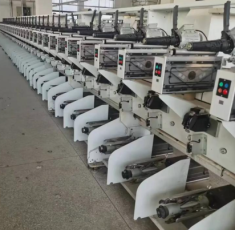
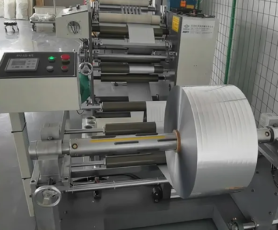
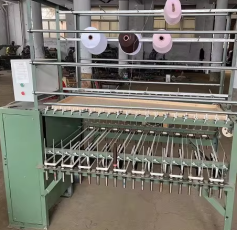
This weft winding machine features a PLC programmable control system that allows for precise adjustment of winding speed and tension parameters, meeting the production needs of different yarn types. The constant tension feedback system ensures that the winding tension remains stable throughout the entire winding process, reducing yarn breakage rate by over 15% compared to manual winding operations. It is equipped with an automatic doffing function, which can complete the tube changing process without manual intervention, saving labor time and improving overall production efficiency. Additionally, the machine adopts natural air cooling for heat dissipation, with low maintenance costs and simple daily upkeep, making it an ideal choice for small and medium-sized textile enterprises to enhance their production automation level.
The detailed technical specifications of this basic industrial weft winding machine include: spindle speed range of 800-1200 rpm, maximum winding speed of 600 m/min, compatible with yarn counts ranging from 20s to 80s, suitable for yarn tubes with a diameter of 3-6 inches, power supply of 380V 50Hz three-phase AC, net weight of 1200 kg, overall dimensions of 2200*1500*1800 mm, maximum tube capacity of 200 units, production capacity of 30-40 kg per hour, and full-enclosed safety protection cover. It is also equipped with an emergency stop button and overheat protection device to ensure safe and stable operation during long-term continuous production.
This basic weft winding machine is mainly applicable to shuttle loom textile factories, home textile fabric production workshops, industrial cloth weaving plants and other large-scale textile production scenarios. It is suitable for winding various conventional yarns such as pure cotton, polyester and viscose staple fibers, providing consistent and high-quality weft yarns for the production of woven fabrics, clothing fabrics, home textile products and other textile goods. It can replace manual winding operations, improve production efficiency by over 30%, and reduce the error rate of yarn winding, making it an essential equipment for medium and small-sized textile enterprises to optimize their production processes and improve overall product quality.








 Post RFQ


 Chat
Chat


 ALL CATEGORIES