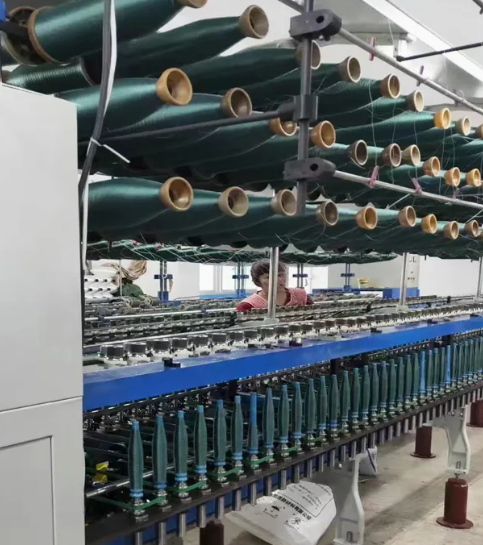
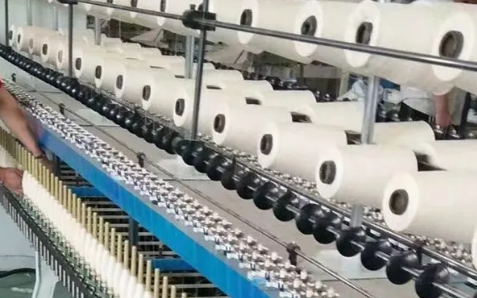


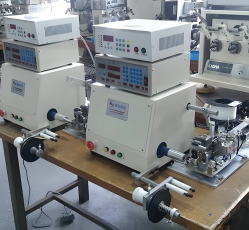
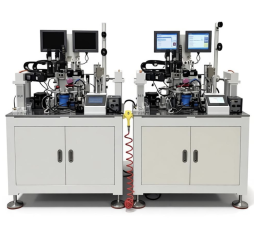
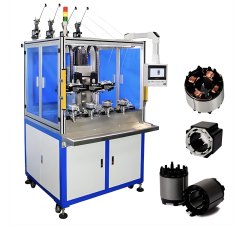
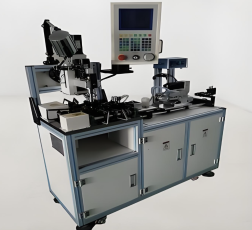
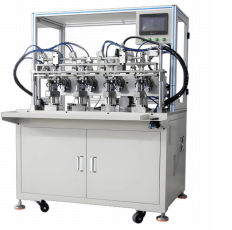
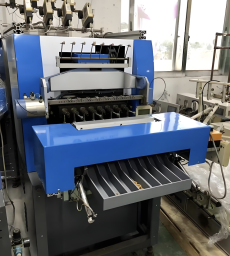

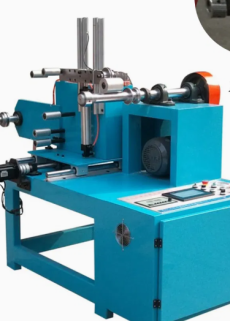
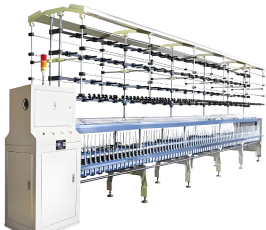
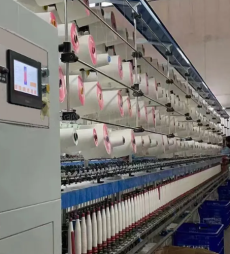
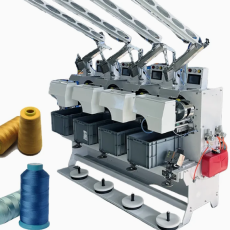
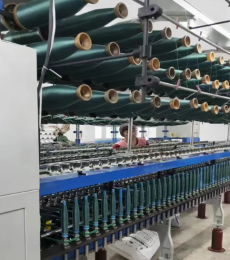
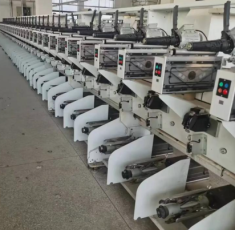
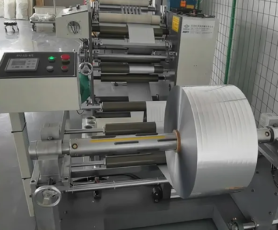
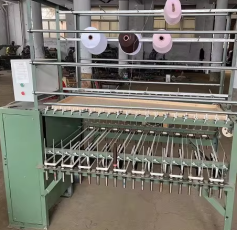
The core highlight of this model is its fully automated high-efficiency production capability, which can complete 3 times the workload of traditional semi-automatic equipment per shift. Its built-in online tension detector can collect real-time tension data and automatically adjust winding parameters, avoiding breakage, fluff and uneven density of chemical fiber filaments during winding, improving product qualification rate to 99.2%. The automatic yarn splicer can complete seamless connection of broken filaments within 0.5 seconds, realizing 24-hour uninterrupted production. The modular design supports quick replacement of winding modules to adapt to different specifications of filament packages, and supports remote operation and maintenance monitoring via mobile terminals, reducing downtime maintenance time by 50%.
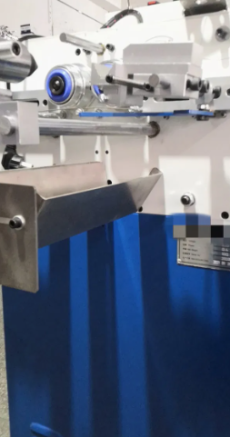
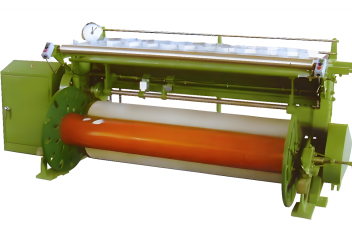
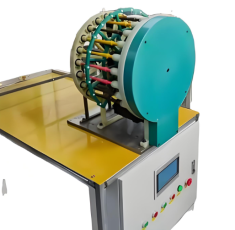
This high-speed chemical fiber winder has the following technical parameters: winding speed range of 0-3500 RPM, compatible with 50-200 D polyester/nylon/PP filaments; rated power of 3.2kW, matching 380V 50/60Hz three-phase power supply; maximum package diameter of 200mm, maximum single package weight of 5kg; overall dimensions of 1800mm (L) × 1200mm (W) × 1600mm (H), net weight of 680kg, requiring matching workshop hoisting equipment for installation. Standard supporting accessories include automatic yarn splicer, online tension detector, touch screen control terminal, spare winding module and maintenance tool kit. It has passed CE and ISO 9001 dual certification, meeting global textile machinery quality and safety standards.
This equipment is mainly applicable to large-scale chemical fiber textile factories, industrial sewing thread manufacturers, geotextile production enterprises, special rope processing plants and other industrial textile fields. Its core application scenarios include industrial sewing thread winding, geogrid raw material winding, automotive safety belt filament winding and marine cable yarn winding. It can meet the large-batch standardized winding needs of daily tens of tons of filament materials, and can be customized for special specification packages to meet the needs of high-end industrial textile products. It can also help chemical fiber raw material traders provide standardized filament packages for downstream customers, improving supply chain efficiency.








 Post RFQ


 Chat
Chat


 ALL CATEGORIES