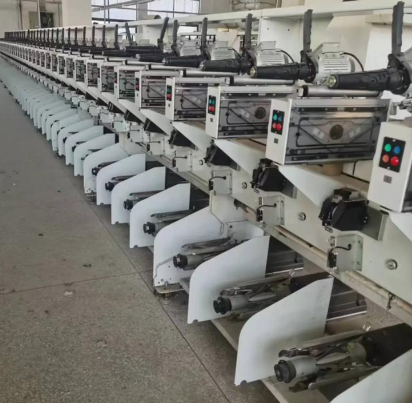
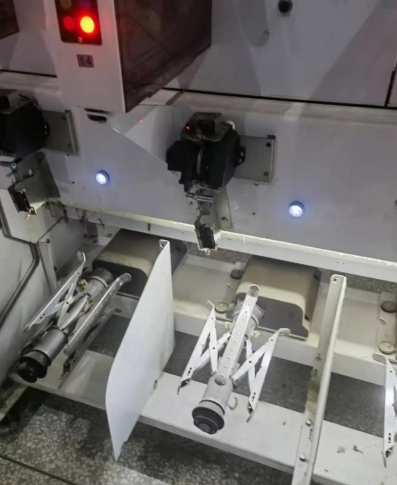


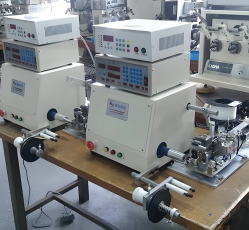
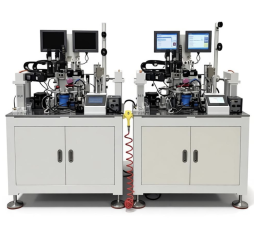
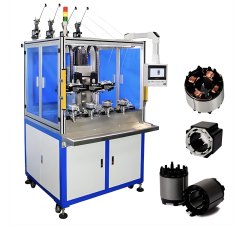
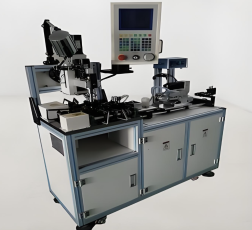
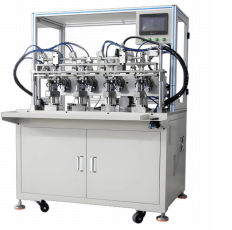
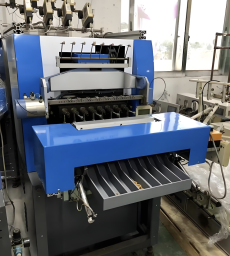

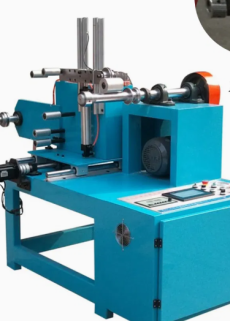
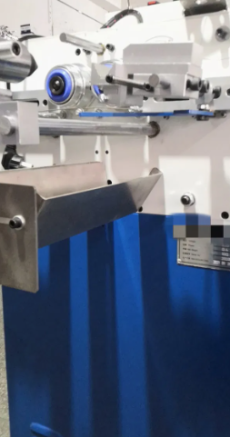
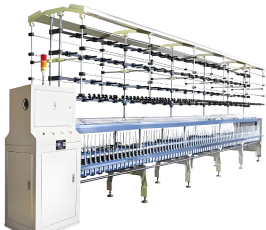
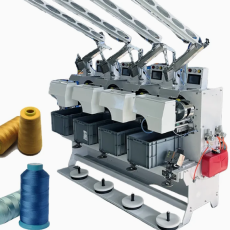
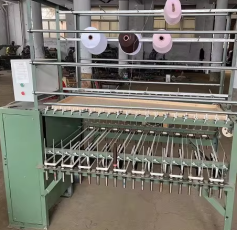
The core competitive advantage of this model lies in its cost-effective balance between automation and practicality. Compared with fully automatic winding equipment, it reduces procurement costs by 60% while retaining core winding precision control. Its innovative manual tension adjustment component can dynamically match yarn material properties to avoid stretching, breakage or loose wrinkling, solving the long-standing problem of inconsistent package density in manual winding. The mechanical limit system ensures consistent winding length for each batch of packages, and the rust-proof coating body adapts to high-humidity textile workshop environments, extending service life by 30% compared to ordinary carbon steel equipment. It also supports one-key reset of winding parameters, reducing operator training time by 40%.
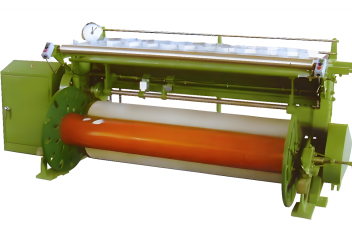
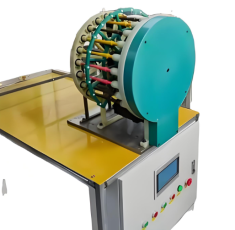
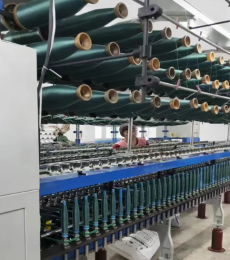
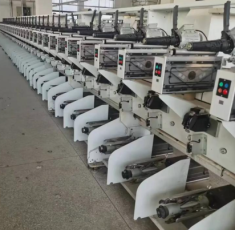
This semi-automatic cone winder has the following complete technical parameters: winding speed range of 0-1200 RPM, compatible with 20-80 Ne yarn specifications; rated power of 1.5kW, matching 220V 50/60Hz conventional workshop power supply; maximum package diameter of 150mm, maximum single package weight of 2kg; overall dimensions of 1200mm (L) × 800mm (W) × 1500mm (H), net weight of 350kg, adapting to standard textile workshop station layouts. Standard supporting accessories include fixed yarn creel, mechanical tension regulator, spare drive belt, operation manual and maintenance tools. It has passed EU CE safety certification, meeting global textile machinery safety standards.
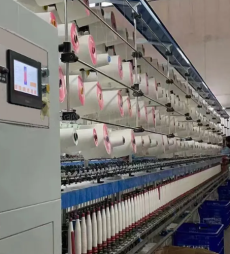
This equipment is mainly applicable to small and medium-sized cotton textile mills, blended fabric processing plants, home textile production enterprises, hand-knitting studios and small yarn trading companies. Its core application scenarios include cone yarn winding for clothing fabrics, sewing thread rolling, knitting raw material winding and customized small-batch yarn package production. It can meet the supporting yarn winding needs of socks, shirts, home curtains and other civilian textile products, and can also help small yarn traders provide customized package services for downstream customers. For hand-made textile studios, it can meet small-batch personalized production needs without occupying large workshop space.








 Post RFQ


 Chat
Chat


 ALL CATEGORIES