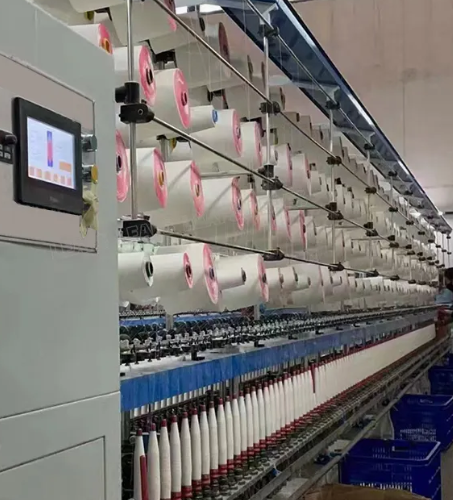
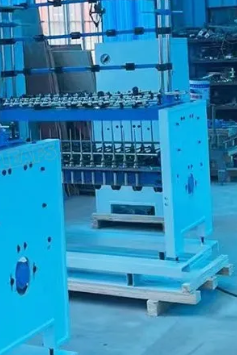


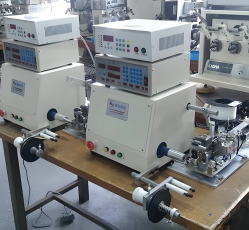
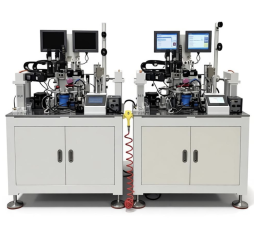
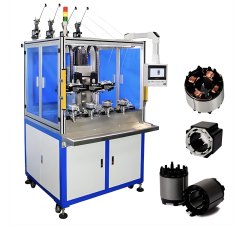
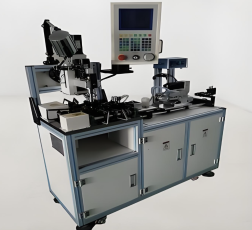
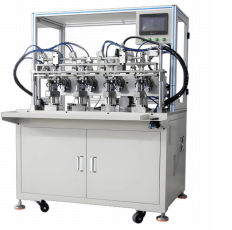
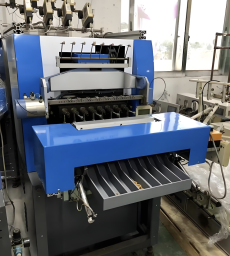

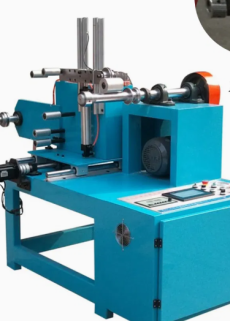
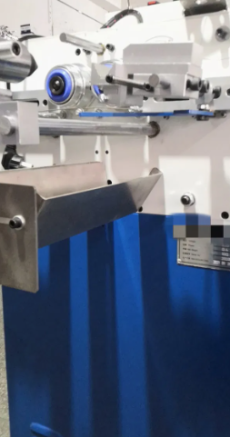
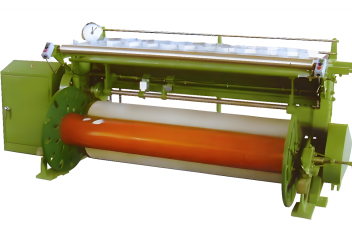
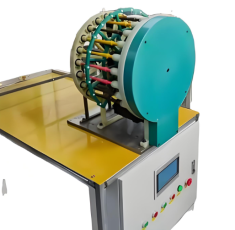
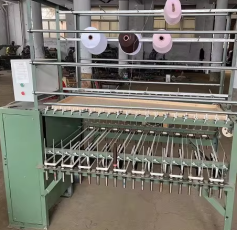
The core advantage of this model is its compact and portable design and precise winding control. The compact size and light weight of only 85kg make it easy to move and store, adapting to the limited space of the laboratory. It supports dual voltage adaptation of 110V and 220V, without additional conversion equipment, solving the power adaptation problem of cross-border laboratories. The digital speed regulator can accurately control the winding speed, allowing operators to adjust winding parameters according to test needs, realizing yarn packages of different densities. It is equipped with a small yarn creel and spare spools, meeting daily test needs without additional supporting purchases, reducing R&D costs. The body adopts food-grade plastic spraying, meeting FDA safety standards, and can be used for testing food-contact textile raw materials.
This desktop laboratory winding machine has the following technical parameters: winding speed range of 300-600 RPM, compatible with 10-100 Ne cotton, blended and chemical fiber yarns; rated power of 0.8kW, matching 110V/220V 50/60Hz power supply, adapting to most regions around the world; maximum package diameter of 100mm, maximum single package weight of 0.5kg; overall dimensions of 600mm (L) × 400mm (W) × 800mm (H), net weight of 85kg, equipped with anti-slip foot pads to ensure the stability of the equipment on the desktop. Standard supporting accessories include small fixed yarn creel, 5 spare winding spools, operation manual and cleaning tools. Its noise is lower than 60 decibels, which will not interfere with the laboratory environment.
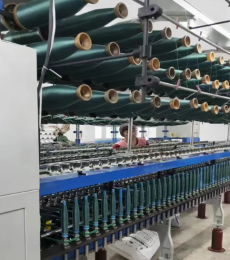
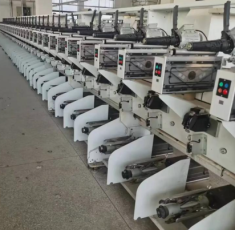
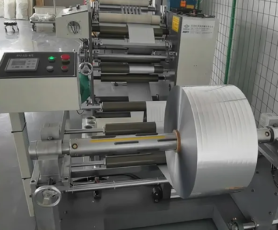
This equipment is mainly applicable to college textile engineering laboratories, textile research and development institutions, small hand-knitting studios, textile raw material traders and textile professional teaching teams. Its core application scenarios include yarn performance testing, small-batch custom yarn winding, teaching demonstration of textile winding principles and personalized handmade textile yarn rolling. Its compact design can be easily placed on the laboratory desktop, providing rapid yarn winding testing services for researchers, helping to test the adaptation effects of different yarn materials and winding parameters. It can also be used for teaching demonstration of textile majors, helping students intuitively understand the principles and processes of yarn winding.








 Post RFQ


 Chat
Chat


 ALL CATEGORIES