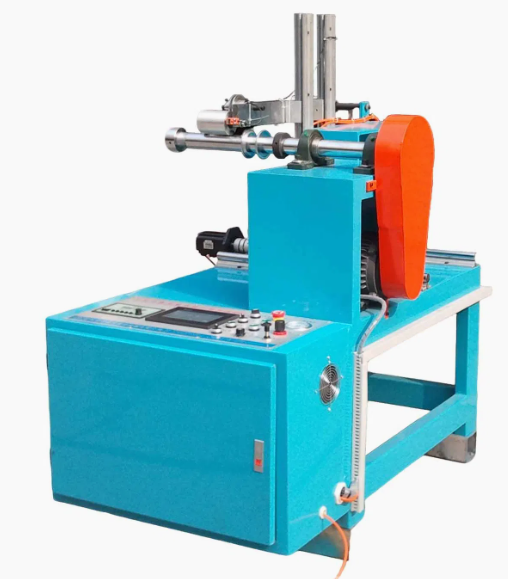
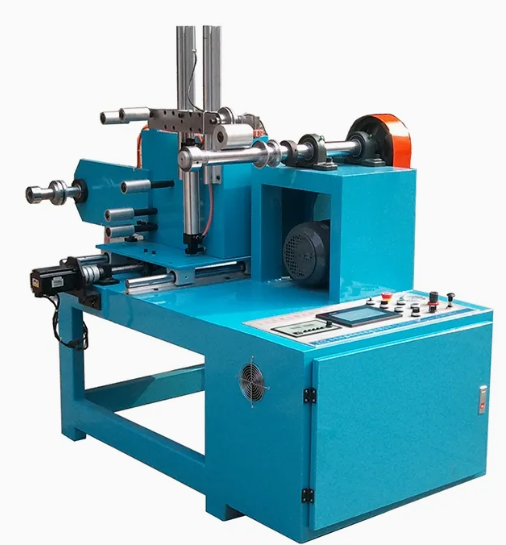


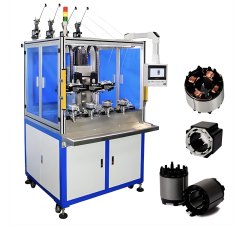
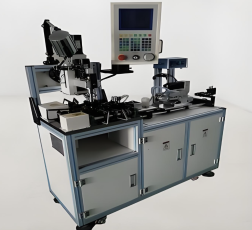
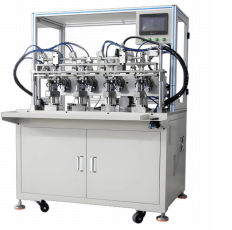
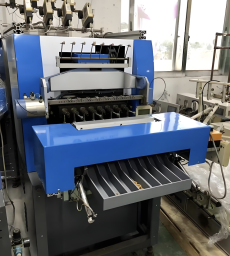

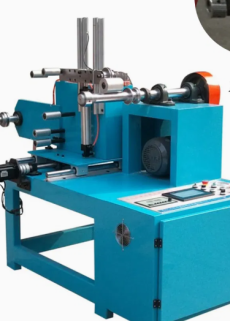
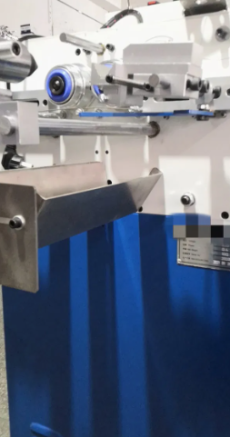
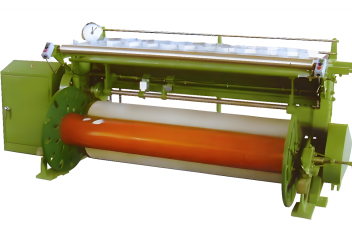
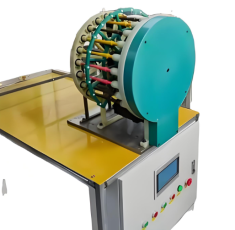
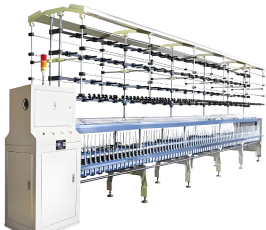
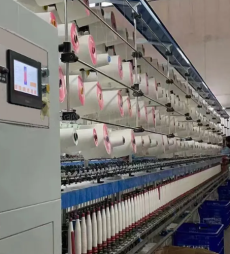
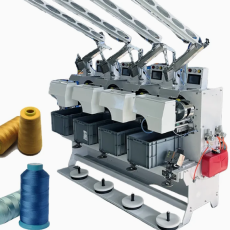
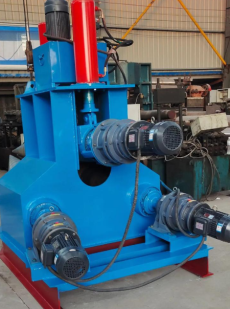
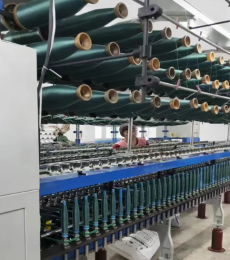
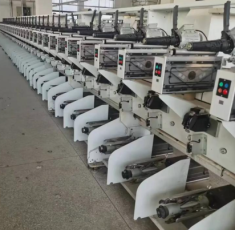
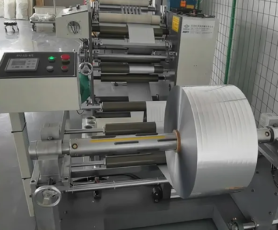
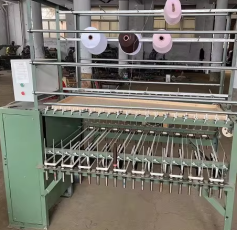
This weft winding machine features ultra-high winding speed up to 1200m/min, which is 3 times faster than traditional semi-automatic models, greatly improving production efficiency. The precision tension control system with ±0.5g error range ensures that each yarn spool has consistent density and appearance, reducing subsequent processing waste. The PLC touchscreen control interface supports customized parameter settings for different yarn types and spool specifications, adapting to diverse production needs. It is equipped with an automatic stop function when the spool reaches the set capacity, avoiding over-winding and yarn damage. The carbon steel body with anti-corrosion epoxy coating extends the service life, and the CE and ISO 9001 certifications ensure compliance with international safety standards, making it suitable for global textile manufacturing plants.
The overall dimensions of this machine are 2200mm (length) × 1100mm (width) × 1500mm (height), suitable for standard industrial workshop layout. The net weight is 1800kg, and it requires a 380V 3-phase 50/60Hz power supply for stable operation. The maximum spool capacity can reach 5kg, adapting to multiple common textile spool specifications. The winding tension can be precisely adjusted within the range of ±0.5g, meeting the strict requirements of high-grade chemical fiber textile processing. The control system supports data storage and export, facilitating production management and data statistics, and is compatible with mainstream workshop industrial internet platforms for remote monitoring and operation.
This equipment is mainly applicable to large-scale chemical fiber textile factories, filament yarn processing workshops, and high-end fabric manufacturing enterprises. Typical application scenarios include the production of polyester filament yarn spools for clothing fabrics, home textile fabrics, and industrial textile materials; it can also be used for winding polyamide yarns for underwear, sportswear, and other fine textile products. It can be matched with upstream spinning equipment and downstream fabric weaving machines to form a complete automated textile production line, helping enterprises achieve intelligent and standardized production management.







 Post RFQ


 Chat
Chat


 ALL CATEGORIES