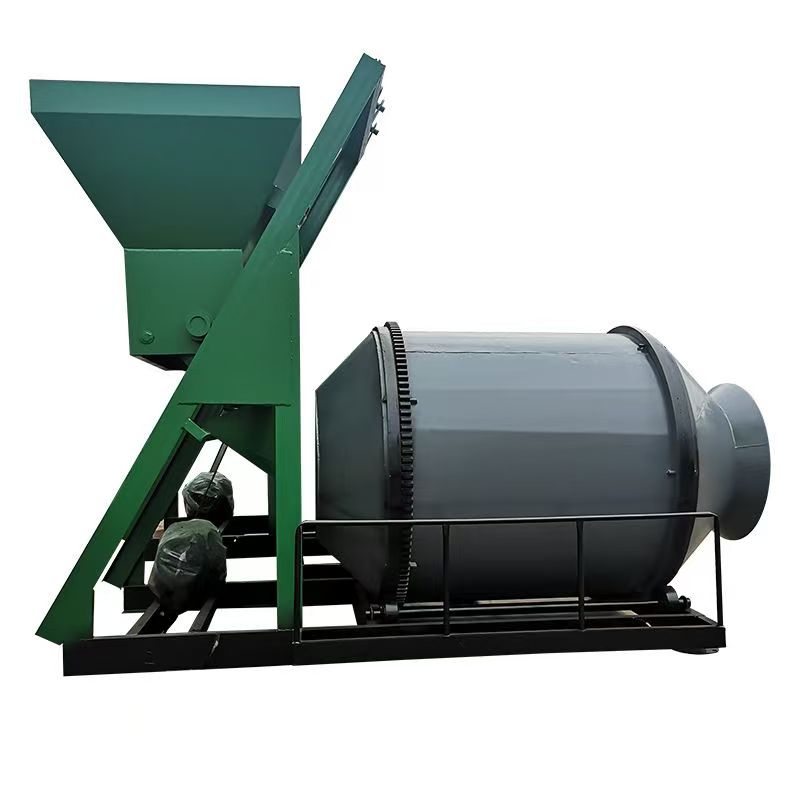
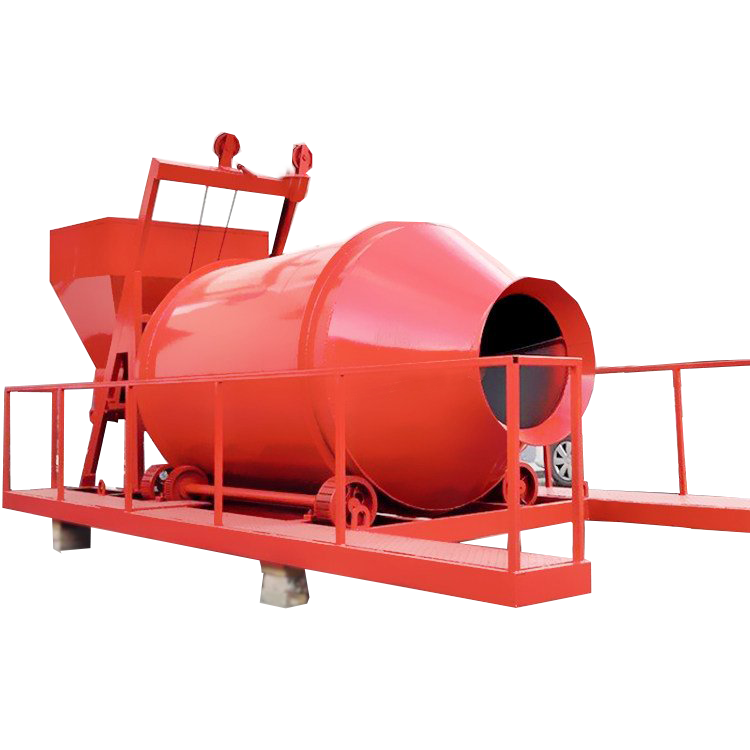





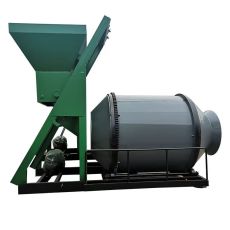
The mixing bin is made of 304 stainless steel, which is corrosion-resistant and free of material residue, ensuring fertilizer purity. The dynamic type is equipped with wear-resistant nylon stirring blades, which have high rigidity and are not easy to damage material particles. It adopts a frequency conversion speed regulation system, which can adjust the stirring speed according to material characteristics, balancing mixing effect and energy consumption. It is equipped with a multi-layer sealing structure to prevent dust leakage and meet environmental protection requirements. The static type adopts the gravity mixing principle, with no power consumption, suitable for energy-saving scenarios. The whole machine adopts a modular design, which is easy to disassemble and maintain, reducing later operation and maintenance costs. It is equipped with a level sensor to realize automatic alarm when the material is full, avoiding material overflow and waste.
The mixing uniformity is strictly controlled above 97% to ensure balanced nutrient content in each batch of fertilizer. The single batch mixing volume is suitable for different production rhythms, ranging from 0.5 cubic meters to 2 cubic meters. The frame is welded with channel steel and treated with pickling and phosphating, which has strong rust resistance and no deformation during long-term outdoor use. The pneumatic discharge valve responds quickly, with a discharge time of ≤30 seconds, improving production efficiency. The electrical control system adopts a PLC touch screen, which can store more than 100 groups of formula parameters for one-key call. The equipment grounding resistance is ≤4Ω, with overload and short-circuit double protection, ensuring safe operation. The inner wall of the mixing bin is polished with a roughness of Ra≤0.8μm, reducing material adhesion.
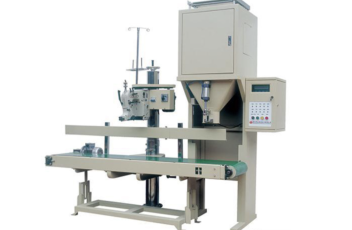
It is mainly used for the accurate mixing of nitrogen-phosphorus-potassium single-element fertilizers and medium-trace element fertilizers to produce general-purpose and special-purpose blended fertilizers. It is suitable for fertilizer plants and agricultural service stations with an annual output of 50,000-500,000 tons, meeting the needs of large-scale production and personalized customization. It can match the formula needs of food crops such as wheat, corn, and rice, as well as cash crops such as vegetables, fruits, and flowers. It is widely used in major agricultural producing areas such as the Northeast black soil region, the North China Plain, and the middle and lower reaches of the Yangtze River. It can be used with automatic packing machines to form an integrated "mixing-packaging" production line. It can also be used for mixing organic fertilizers and inorganic fertilizers to produce organic-inorganic blended fertilizers, adapting to the development needs of green agriculture.







 Post RFQ


 Chat
Chat


 ALL CATEGORIES